



Katana vs Ninjato: Which Sword Fits Your Space, Budget, and Use?

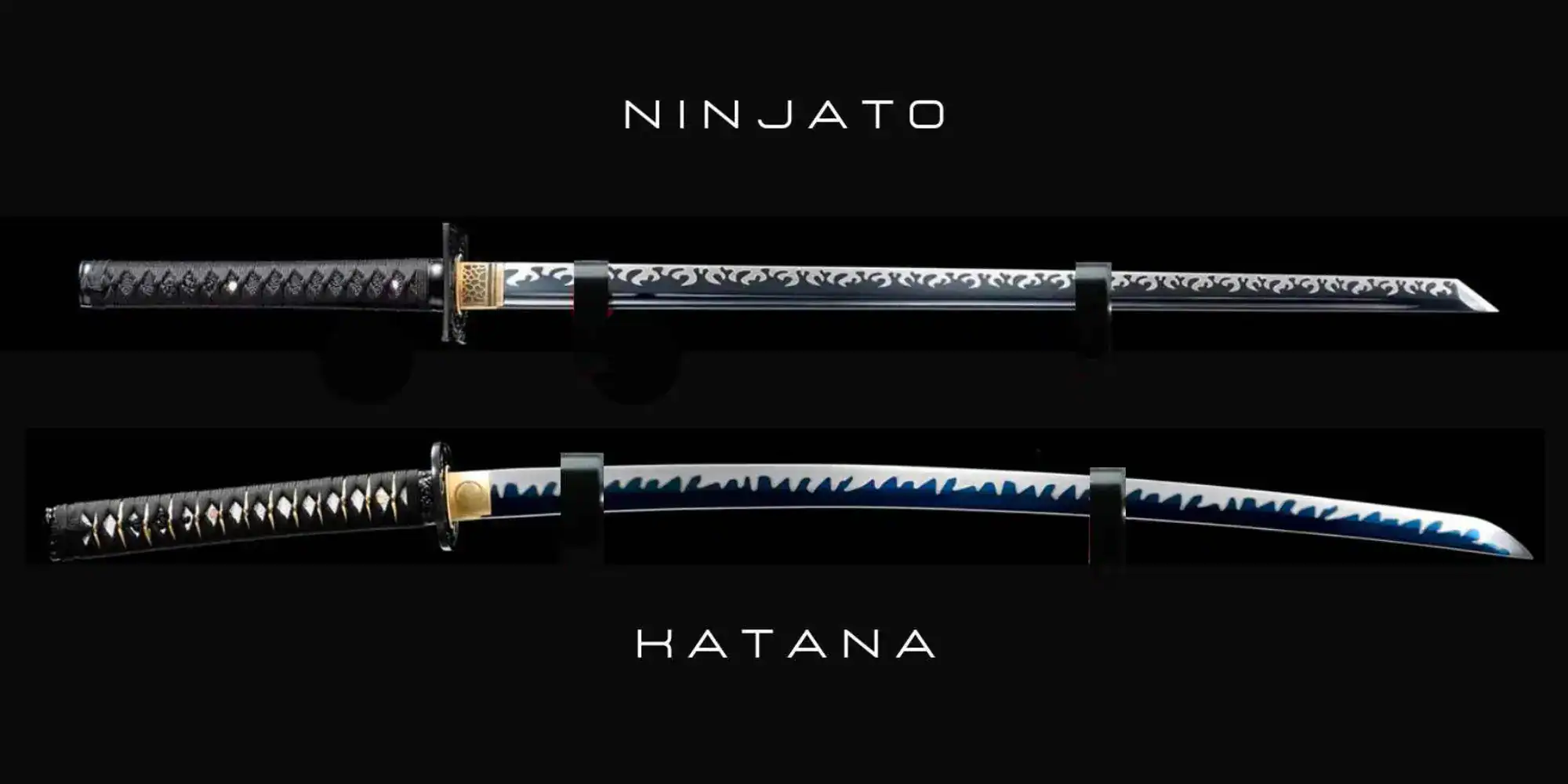
Deciding between a katana and a ninjato often starts with looks, but most buying regrets come from how the sword actually fits into your space and daily use. In general, curved designs tend to be longer and need more room, while straight profiles are usually more compact and easier to manage indoors.
That difference affects everything from handling comfort to storage and safety. This katana vs ninjato guide focuses on real ownership factors, so you can choose a sword that fits your space, expectations, and intended use.
Which Blade Matches Your Situation?
The fastest way to decide between a katana and a ninjato is to focus on how you plan to handle and display the sword in real life. Ignore labels from movies or games. Think about room size, comfort with longer blades, and whether the sword will be mostly displayed or regularly handled.
If you want a traditional curved design
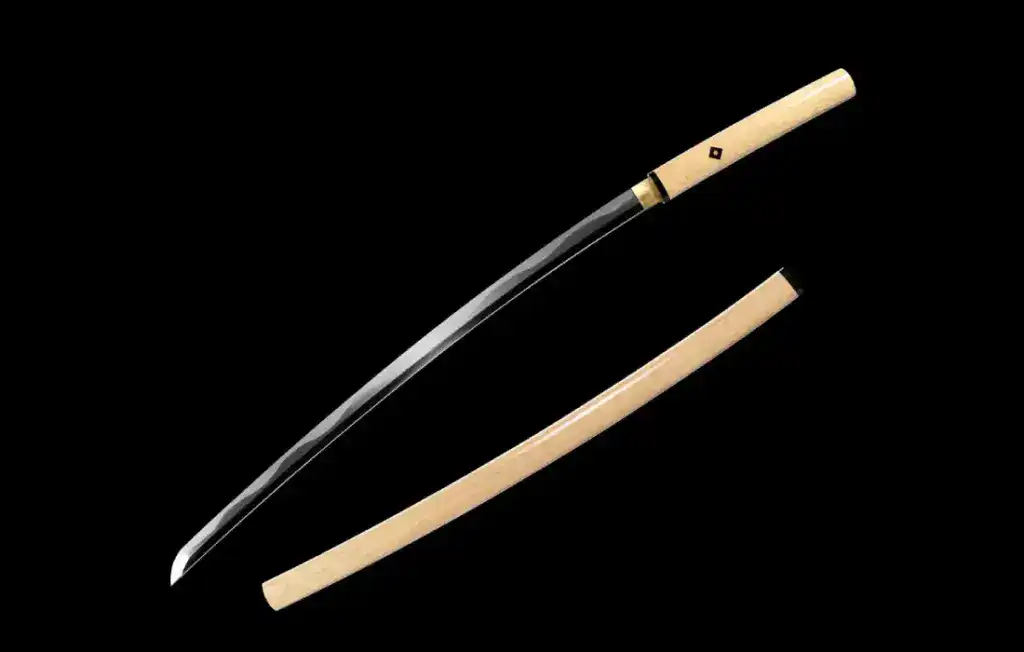
A katana gives you the classic sweeping profile many people picture when they think of a Japanese-style sword. The curve isn’t just for looks. It helps guide movement during basic cuts, which many beginners find easier to control compared with a straight blade. If you have enough wall space and clearance to handle a longer sword comfortably, this is the classic choice many buyers start with.
Explore our katana collection to compare sizes and styles.
If you prefer a straight, compact profile
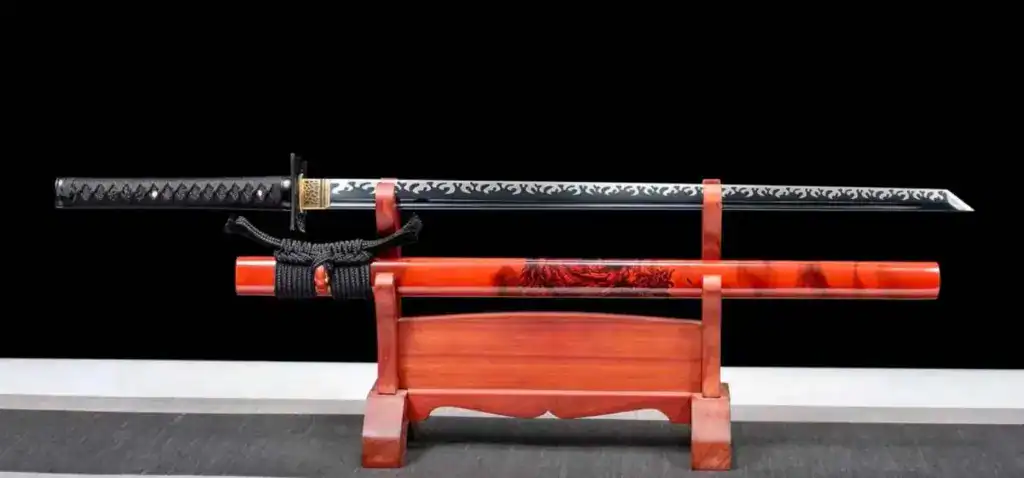
A ninjato is typically shorter with a straighter profile, making it easier to store, display, and handle in smaller rooms. It usually requires less wall space and less swing clearance indoors. If your apartment is tight or you want a more compact option that doesn’t dominate the room, this style keeps handling simple while still offering a functional sword experience.
Browse our ninjato collection for compact options.
What Kind of Buyer Are You? (How Most People Choose)
Most buyers don’t start with specs. They start with what they want to do with the sword — display it, own a first blade safely, or use it for basic practice. Your main goal determines which features matter and which ones you can ignore.
If this is your first sword
Don’t overthink steel grades or exotic finishes. What matters most is safety and solid construction. Look for full tang construction, which means the blade steel runs through the entire handle. That is one of the most important factors for durability and safe handling. A well-balanced entry-level blade will teach you more than an expensive one that sits in a box.
If you want a display piece
When the sword is mainly going on a wall or a stand, shift your attention to the fittings. The tsuba (guard), handle wrapping, and scabbard finish are what people notice first. Think about how the colors and materials match the room where it will live. A display-focused sword doesn’t need premium performance steel, but it should look visually balanced from blade to handle.
If you plan to practice
Length and weight matter more than anything else here. A blade that is too long for your height can feel heavy and harder to control, while a shorter blade may not give proper feedback during movement. Learn how to choose katana length for your height so every movement feels stable and natural.
How Katana and Ninjato Actually Feel in Your Hands
Reading specs online only tells part of the story. The difference between a katana and a ninjato becomes much clearer once you understand how each one feels during basic handling and movement.
A curved blade follows a natural arc when you swing it. The shape helps guide movement along that arc, which many users describe as smoother and easier to follow. Because of that curve, beginners often find the motion more predictable when learning basic handling. A straight blade moves more directly from point to target, without as much sweeping motion. Many straight-blade designs feel more compact and direct in the hand, which can be helpful when space is limited.

Curved vs straight: How shape affects control
The katana’s curve influences how weight is carried through movement. Instead of pushing directly forward, the arc encourages a flowing motion that many beginners find easier to manage during basic practice. A ninjato’s straight edge relies more on deliberate control from the user. Some people prefer that direct feel once they get comfortable with handling, especially when working in tighter environments.

Do you have enough room to swing?
This is one of the most overlooked questions when comparing katana vs ninjato. A full-length katana with a 28-inch blade needs real clearance around you. Think about ceiling height, nearby furniture, and anyone sharing the space. If you plan to practice indoors, measure your available room before buying. A ninjato, with its shorter overall length, gives you more flexibility in tighter spaces. For apartments or smaller home offices, that extra margin can make handling feel safer and more comfortable.
Katana vs Ninjato: Quick Comparison
| Decision Factor | Katana (Curved Blade) | Ninjato (Straight Blade) |
| Best For | Classic display & smoother movement feel | Small spaces & compact handling |
| Typical Buyer | Prefers a traditional look and longer profile | Wants a shorter, easier-to-manage design |
| Space Needed | Requires more wall space and swing clearance | Fits smaller rooms more easily |
| Handling Feel | Stable and flowing during movement | Direct, compact, easy to control |
| Beginner Experience | Often easier to guide during basic handling | Easier to manage indoors |
| Main Trade-Off | Needs more space to handle comfortably | Less reach and sweeping motion |
When Katana or Ninjato Is the Wrong Choice
Buying regret almost never comes from picking the “wrong” sword type. It comes from not matching the sword to your actual situation. A quick reality check before you buy saves you from storing a blade you never touch.
When a curved blade may be impractical
If you live in a studio apartment with low ceilings, a full-length katana can feel awkward to handle and even unsafe to swing. Wall-mounting a 40-inch sword in a narrow hallway doesn’t always work either. When your space can’t comfortably fit the blade’s full length on display or give you room to hold it extended, consider sizing down or going with a ninjato instead.
When a straight blade may fall short
If you’re planning to practice traditional Japanese sword arts like iaido or kenjutsu, most training forms are built around a curved blade. A ninjato usually won’t match the movement patterns used in those traditional forms. because the curve is part of how the forms work. In the katana vs ninjato decision, structured martial arts practice is one case where the katana is the clear pick, even if your space is tight.
What Makes a Sword Safe and Worth Buying?
A sharp edge looks impressive, but sharpness alone doesn’t make a sword safe to own or handle. Whether you’re choosing a katana or ninjato, the difference between a reliable blade and a dangerous one comes down to how it’s assembled.
The importance of tang construction
The tang is the part of the blade that extends into the handle. In a full tang sword, that steel runs all the way through the grip and is secured at the pommel. This is what keeps the blade attached to the handle during use. A rat-tail tang or a welded-on stub can snap under stress, which is where safety risks increase. Before you compare steel types or edge geometry, make sure the sword has a full tang. Everything else is secondary.
Matching steel type to your use
For most first-time buyers, 1060 carbon steel hits the right balance. It’s tough enough for basic cutting, holds a reasonable edge, and requires less maintenance than harder steels. If you plan to cut frequently and want longer edge retention, T10 tool steel is a step up. It’s harder and keeps its sharpness longer, but it also requires more attention to prevent rust. If the sword is display-only, steel type matters less than fit and finish. Read more about katana steel types to match the right material to your use.
How Much Should You Spend on Your First Sword?
Price differences in the katana vs ninjato market mostly come down to heat treatment, steel quality, and hand-finishing on the fittings. That doesn’t mean you need to spend a lot to get something good. It means you should know what you’re paying for at each level.
What you get at different price levels
Under $200, you can find solid full tang swords with 1060 or 1095 steel, basic but functional fittings, and a usable edge. These are functional entry-level swords suitable for beginners, and they’re enough for most beginners to start with safely.
As you move into the $200 to $400 range, you start seeing better heat treatment, tighter handle wraps, and more refined blade geometry. The balance improves, and the finishing details look cleaner.
Above $400, you’re paying for things like traditional clay tempering, hand-polished blades, and custom fittings. These details matter if you’re a serious collector or practitioner, but they’re not something most first-time buyers need right away. Check our katana price guide for a full breakdown at each budget level.
Which One Should You Buy?
After comparing the key katana vs ninjato differences, the right choice comes down to how the sword fits your space and intended use.
- For home display: A katana offers the iconic curved profile many people associate with Japanese swords. If visual presence matters and you have enough display space, a katana is often the preferred choice.
- For beginner practice: The curved profile encourages smoother movement, which many beginners find easier to control during basic handling and practice.
- For smaller spaces: A ninjato is easier to store, simpler to display, and more manageable indoors. If your space cannot comfortably fit a longer blade, the straight profile is usually the more practical option.
Common Buyer Mistakes to Avoid
- Choosing purely on appearance. A sword may look perfect in photos, but if the handle is too short or the overall length doesn’t fit your space, you may regret the purchase. Always check blade length, handle length, and total dimensions before buying.
- Overpaying for steel on a display sword. If the blade is going on a wall and staying there, you usually don’t need premium steel like T10 or folded steel. Save that budget for better fittings and a nicer scabbard instead. The visual details matter more for display than metallurgy does.
Knowing the difference between a functional sword and a decorative piece is the first step to spending wisely. Learn how to tell a real vs fake katana before you buy.
Ready to Choose Your Sword?
At this point, the decision is simple: match the sword to your space, your goals, and how you plan to use it. Once that’s clear, the next step is choosing the right length and finish.
Shop our katana swords by size and use, or browse ninjato swords for a compact fit.


