




What Is a Full Tang Katana? How to Tell if a Sword Is Safe to Use

A full tang katana is a sword where the blade steel runs continuously through the entire handle, rather than being welded to a thin rod or partial piece of metal. This construction is what makes a katana suitable for real cutting instead of display only.
Many decorative swords look identical from the outside but hide weak “rat-tail” or welded tangs inside the handle. This is why understanding full tang matters before buying.
This guide shows what full tang really looks like, how weak builds differ, and how to verify a seller’s claim before trusting a katana for use.
What Does “Full Tang” Mean for a Katana?
On a katana, the tang is the unsharpened portion of the blade that extends into the handle and carries stress during motion. Every time you swing, cut, or stop the blade, the tang absorbs and transfers that stress.
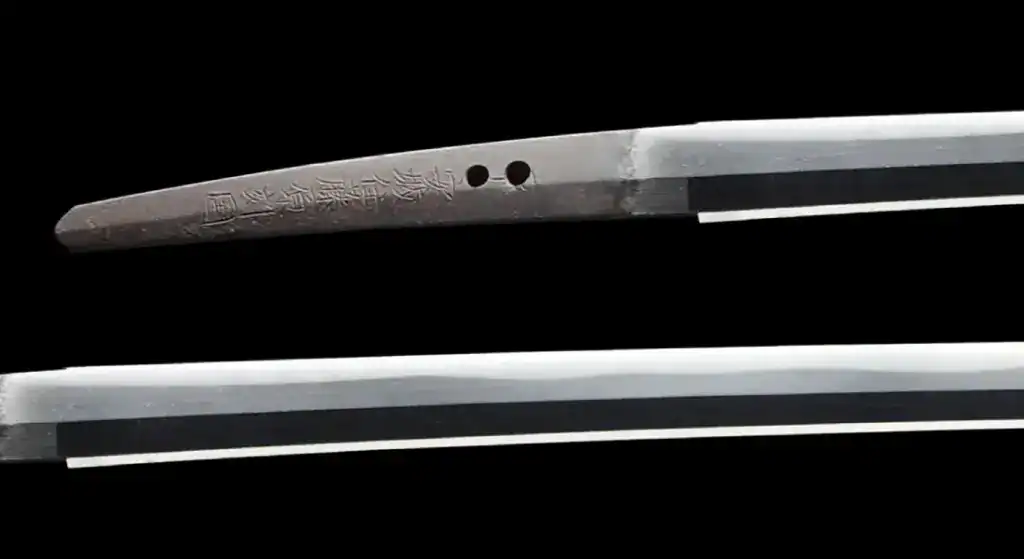
When a katana has “full tang” construction, the tang runs nearly the entire length of the handle. It’s one continuous piece of steel from the blade tip to the handle end. This is not a separate piece attached or welded on. It’s the blade itself continuing through the grip.
Here’s something that trips up a lot of buyers: “full tang” describes internal construction. You can’t confirm it just by looking at the outside. Some listings use the term loosely, and photos rarely show what’s actually inside the handle. That’s why it helps to understand what full tang means before trusting any label.
Why Full Tang Determines Whether a Katana Is Functional
Full tang construction is not a cosmetic detail. It’s the baseline checkpoint for any katana claimed to be functional. This section explains how tang design affects control, durability, and safety when the sword experiences real motion or impact.
Strength and Durability
A functional katana needs a handle joint that can survive repeated shock and twisting forces. Over time, weaker builds gradually loosen. That loosening leads to wobble, then failure.
Full tang construction spreads stress across the entire handle length. It reduces dependence on a single weak connection point, like a thin welded rod or a short stub held by glue.
When evaluating a katana, treat tang design as your first filter. Check this before worrying about polish, engraving, or brand labels. If the foundation isn’t solid, the rest doesn’t matter.
Better Balance and Handling
More steel running through the handle can shift the balance point slightly backward. This helps reduce an overly blade-heavy feel that makes control harder.
Weak internal construction often shows up during direction changes. The sword may feel unstable or unpredictable when you try to stop or redirect the blade.
Balance matters most for practice and controlled technique. It’s not just about comfort in the hand. A well-balanced sword responds better and requires less effort to manage during repeated movements.
Enhanced Safety
The main safety concern with a katana isn’t the edge. It’s movement at the handle. Loosening, shifting, or separation during use can turn a routine swing into a serious problem.
When checking a sword, prioritize mechanical security cues over buzzwords:
- Tight fit between handle and blade with no play
- Visible and credible peg (mekugi) structure
- Proof images or teardown photos from the seller
Even with solid construction, safe handling and appropriate use still matter. This is especially true for beginners who are still learning edge alignment and follow-through.
Authenticity and Maintenance
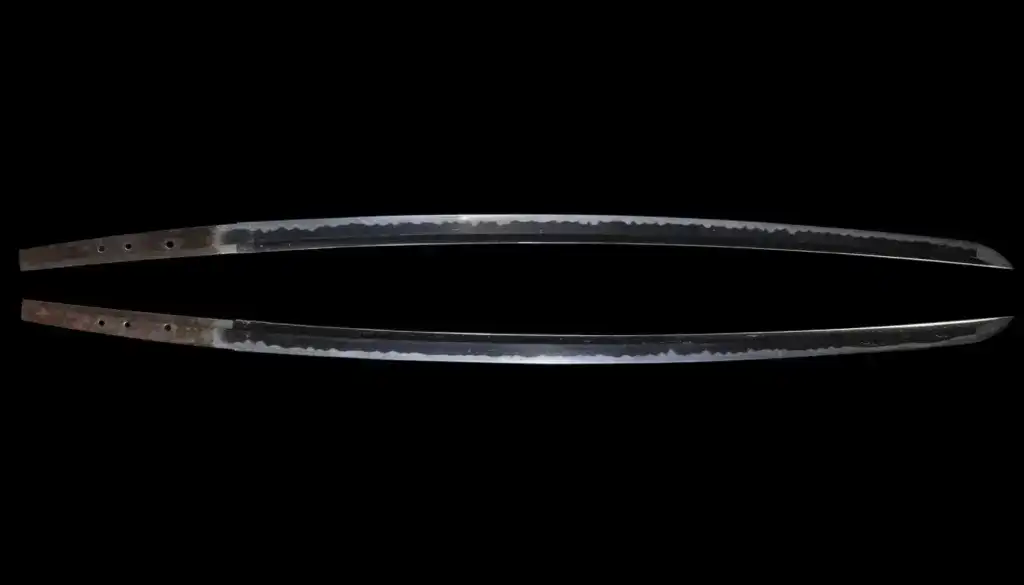
Traditional katana construction allows the handle to be removed for inspection and maintenance. Full tang aligns with this expectation. You can check the fit, examine the tang condition, and address any looseness over time.
Inspectable builds make long-term ownership easier. If something shifts or wears, you can access the problem rather than guessing at what’s wrong inside a sealed handle.
Decorative builds often prioritize appearance over serviceability. They may use permanent adhesives or hidden shortcuts. This makes it harder to confirm internal construction and nearly impossible to maintain.
Full Tang vs Rat Tail Tang
The difference between a full tang and a rat-tail tang explains why two katanas can look nearly identical on the outside but behave very differently when swung. Internal structure determines whether a katana is safe to use, not how it looks on the outside.
Some swords that look convincing are still risky to use. The reason usually comes down to simplified internal construction that saves cost but sacrifices strength. This is why tang type directly affects whether a katana is safe for real use or suitable only for display.
Thickness and Width
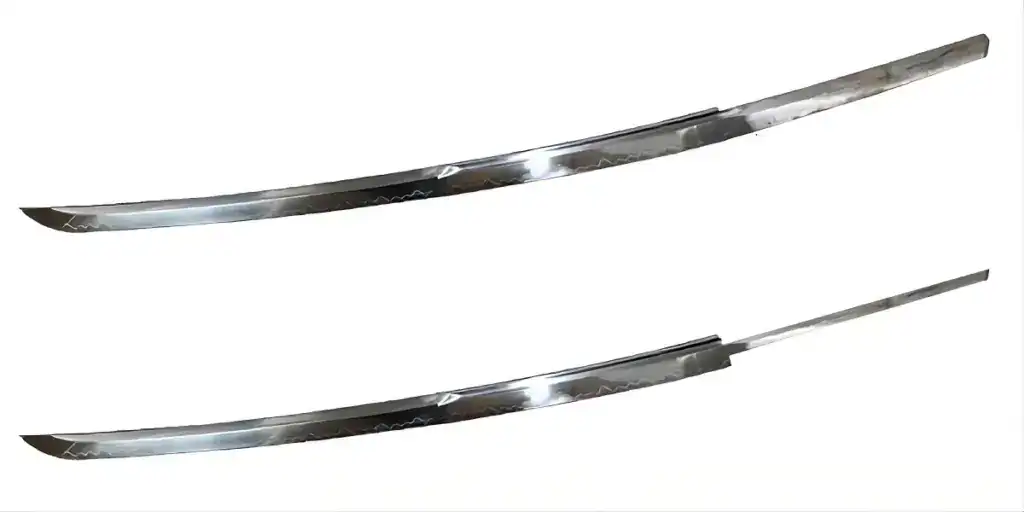
A full tang typically has meaningful width and thickness inside the handle. It mirrors the blade’s profile and continues as a solid piece of steel.
A rat-tail tang is usually a narrow rod welded or threaded onto the blade base, creating a thin stress point that becomes the most likely failure zone under motion or impact.
If a listing avoids showing construction details and only offers glamour shots, treat the tang type as unverified. A real full tang can be proven with construction evidence. A label without proof is just a label. If construction can’t be verified, treat the tang type as unknown and reduce your trust in the listing.
Intended Use
Rat-tail tang designs are commonly made for display or costume purposes. They’re not built for cutting practice or repeated training swings. If your goal includes any real use, tang construction becomes a non-negotiable safety checkpoint.
Choosing between practice and display swords requires different priorities. For a deeper breakdown, see our guide on how to choose a katana for practice or display.
Construction Quality Overall
Tang shortcuts often come with other shortcuts. These may include loose handle cores, weak adhesives, or hardware that needs frequent re-tightening.
It helps to evaluate build quality as a system rather than a single feature:
- Tang construction and length
- Handle fit and core material
- Peg or hardware placement
- Overall assembly consistency
For a closer look at common traps that hide weak construction, check out mistakes to avoid when buying a katana.
How to Tell if a Katana Is Full Tang before You Buy
You can’t always see inside the handle of a katana before buying, but you can verify full tang claims by stacking multiple signals together. This section covers practical ways to verify tang construction using specs, photos, and reviews.
Product Description and Specs
Strong listings describe construction clearly. They explain tang type, steel composition, and handle assembly rather than relying on vague terms like “battle-ready” or “functional.”
Watch for mismatches. If a seller claims premium steel but avoids any construction proof, that gap should lower your confidence. If a seller can’t explain the build in plain terms, treat any “full tang” claim as unconfirmed until you find supporting evidence elsewhere. Reliable listings make it easy to confirm full tang construction instead of asking you to trust vague claims.
Check for Mekugi (Peg) Pins

Traditional katana builds often show one or two peg points on the handle. These pegs secure the tang mechanically rather than relying only on glue.
Some decorative swords imitate peg appearance without real function. So visible pegs are a helpful clue, but not final proof. If the handle looks fully sealed, glued shut, or non-serviceable, that reduces confidence in what’s actually inside.
Weight Distribution and Feel
An overly tip-heavy feel can suggest the handle lacks steel mass. This may point to cheaper internal construction or a shortened tang.
Any rattling, clicking, or shifting sensation in the handle is a red flag. These signs often indicate looseness or poor fit between components. Feel-based checks work best when they align with specs and proof images. On their own, they’re just one signal among several.
Ask for Tang Photos
One of the most reliable checks is a disassembled photo. It should show tang length, shape, width, and peg-hole placement clearly.
Sellers who provide this kind of proof tend to be easier to evaluate. They’re not hiding behind vague labels or polished marketing. If a listing looks professional but shows zero construction evidence, assume nothing about the tang until you see real images.
Check Buyer Reviews
Look for comments about looseness, handle movement, rattling, or breakage. These matter more than appearance-based feedback like “looks great on display.”
Repeated reports of hardware loosening or handle shifting should outweigh a single “full tang” claim in the product title. If multiple reviews describe the sword as “display-only” despite functional marketing, treat the product as decorative unless you find stronger proof. Reviews often reveal what product photos hide.
Common Myths and Misconceptions About Full Tang Katanas
Misleading listings often misuse the term “full tang,” which is why it’s important to understand what full tang does and doesn’t prove. This helps you interpret “full tang” claims more carefully and avoid over-trusting a single checkbox feature.
Fake “Full Tang” Claims
Some katana listings use “full tang” as a marketing hook without backing it up. They avoid disassembly photos, skip construction explanations, and rely on the term alone to build confidence.
To counter this, look for supporting evidence:
- Proof photos showing the tang inside the handle
- Credible peg structure that looks functional, not decorative
- Review patterns that confirm solid assembly and no loosening over time
For a broader checklist on spotting misleading “real sword” claims, see our guide on real vs fake katana.
Tang Is More Important Than Steel
A strong steel claim doesn’t compensate for weak internal structure. When the sword is actually swung or used, the handle connection takes the stress first. Premium steel with a fragile tang is still a fragile sword.
Confirm tang construction before comparing steels. If the tang is weak, steel choice becomes irrelevant. Once you’ve verified the build, then you can evaluate steel based on your priorities.
Here are some practical starting points after tang is confirmed:
- For a budget-friendly entry point: 1060 carbon steel
- For toughness and impact resistance: 5160 carbon steel
- For springy flex behavior: 9260 carbon steel
Why Sellers Avoid Showing the Tang
Avoiding construction proof reduces transparency. Internal structure is where corners are easiest to cut and hardest to detect from photos.
The stronger the “functional” claim, the more reasonable it is to expect clear proof. A seller marketing a sword for cutting or training should be able to show what’s inside the handle.
If a seller dodges basic construction questions or deflects with vague responses, treat that as a meaningful risk signal. Silence on build details usually isn’t a good sign. Lack of construction proof is often a deliberate omission.
Full Tang Alone Doesn’t Guarantee Quality
Full tang is a baseline for function, not the whole story. Even with solid tang construction, other factors still affect performance and longevity:
- Handle core quality and fit
- Peg or hardware placement and tightness
- Overall assembly consistency
Use full tang as your first filter. Once it checks out, evaluate the rest of the build based on your intended use. Full tang tells you where to start, not where to stop.
For edge-focused comparisons after tang is verified:
- Harder edge retention: 1095 carbon steel
- Another common edge-focused option: T10 carbon steel
Functional vs. Decorative Katanas: The Tang Makes the Difference
Tang construction is what ultimately separates functional katanas from decorative ones. When your expectations match construction reality, you avoid disappointment and safety risks.
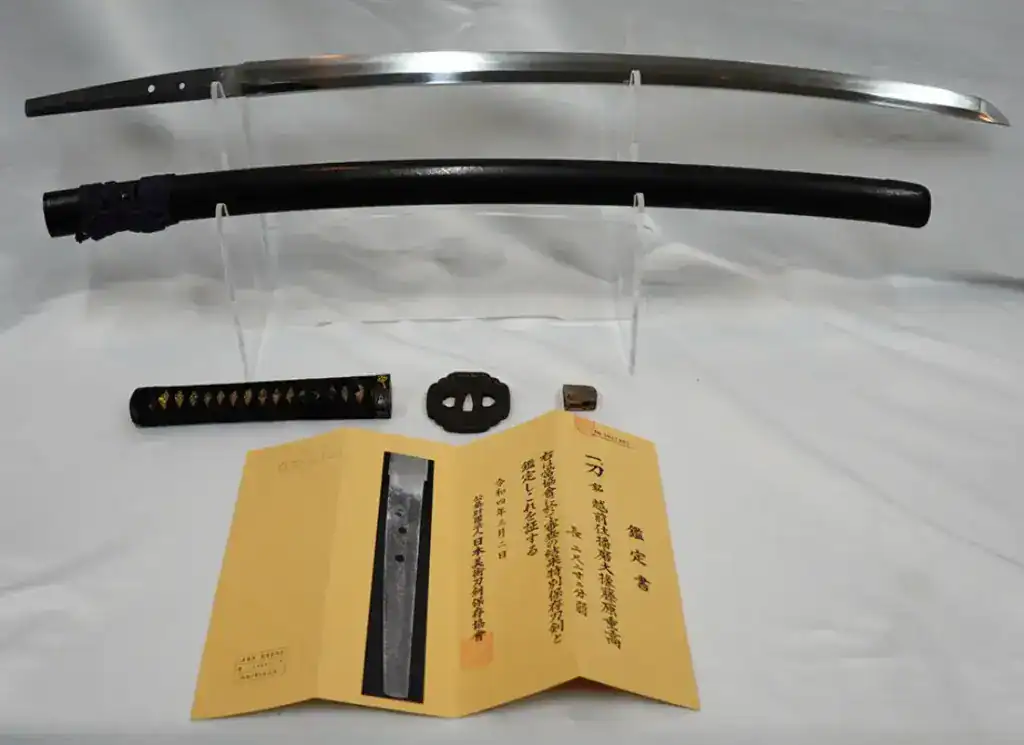
Functional Katanas (Built to Swing and Cut)
Functional use assumes stable handle-to-blade integrity under repeated swings and controlled practice. The tang must handle stress without loosening or shifting over time.
Before debating steel types or aesthetic details, prioritize verifiable construction. Look for proof photos, credible assembly cues, and review consistency that supports real-world use claims.
Decorative Katanas (Made for Display)
Decorative swords are usually built to look good at a lower cost. Internal construction may be simplified in ways that don’t support actual swinging or cutting.
This doesn’t make them bad products. It just means they serve a different purpose. Treat decorative pieces as non-functional unless construction proof clearly supports safe handling. If you plan to swing it, verify the build first.
Conclusion
A full tang katana is a baseline checkpoint that helps separate functional swords from display replicas. It’s not the only factor, but it’s the first one worth confirming before anything else.
When shopping, trust stacked verification rather than labels alone. Look for clear specs, credible construction cues, proof photos, and review patterns that support the claim. A single “full tang” label without evidence isn’t enough.
Ready to find your sword? Check out our collection of real full tang katanas, each one with clearly verifiable construction and functional build quality.
FAQs
Is a full tang necessary for a katana?
Whether a full tang is necessary depends on how you plan to use the katana. For practice swings or cutting, stronger construction standards matter more than appearance. Display-only swords have more flexibility. Treat full tang as a baseline filter for functional intent. Once that’s confirmed, evaluate the rest of the build for fit, hardware, and assembly quality.
Can a rat-tail tang katana break?
Yes. Rod-style tang designs can fail at the connection point or loosen over time, especially under repeated motion or impact. Even when breakage doesn’t happen right away, handle shift and loosening can create unsafe handling conditions. These problems often develop gradually with use.
How long should the tang be on a real katana?
Don’t chase one fixed measurement. Focus on whether the tang runs nearly the full handle length and is secured with credible assembly cues like functional pegs. Disassembled photos are one of the clearest ways to confirm tang length and peg-hole structure before buying. If a seller avoids proof entirely, treat tang length as unknown and reduce confidence accordingly.
Do decorative katanas have full tangs?
Many decorative pieces use simplified internal builds, so “full tang” should never be assumed without proof. If a sword is marketed mainly for display, treat it as non-functional unless construction evidence supports safe use. Looks alone don’t confirm what’s inside the handle.


