


Handmade vs Machine-Made Katana: Read This Before You Pay More

- Choose a production katana for a first sword when the listing shows the steel, tang, fittings, and intended use clearly.
- Choose handmade or custom work when the polish, wrap, saya, fittings, or personal details are the reason you want the sword.
- Do not choose any katana for cutting practice unless the seller clearly rates it for that use and explains the blade and handle construction.
Handmade vs machine-made katana gets blurry fast in real listings. Handmade, hand-forged, traditional, and battle ready can describe very different levels of actual hand work.
That doubt is fair, especially if you have seen the same sword sold under several labels. Handmade is not a standardized quality grade in this market, so the real question is what the sword is for, what proof the listing gives, and whether the label is worth paying for.
Where the Handwork Actually Shows
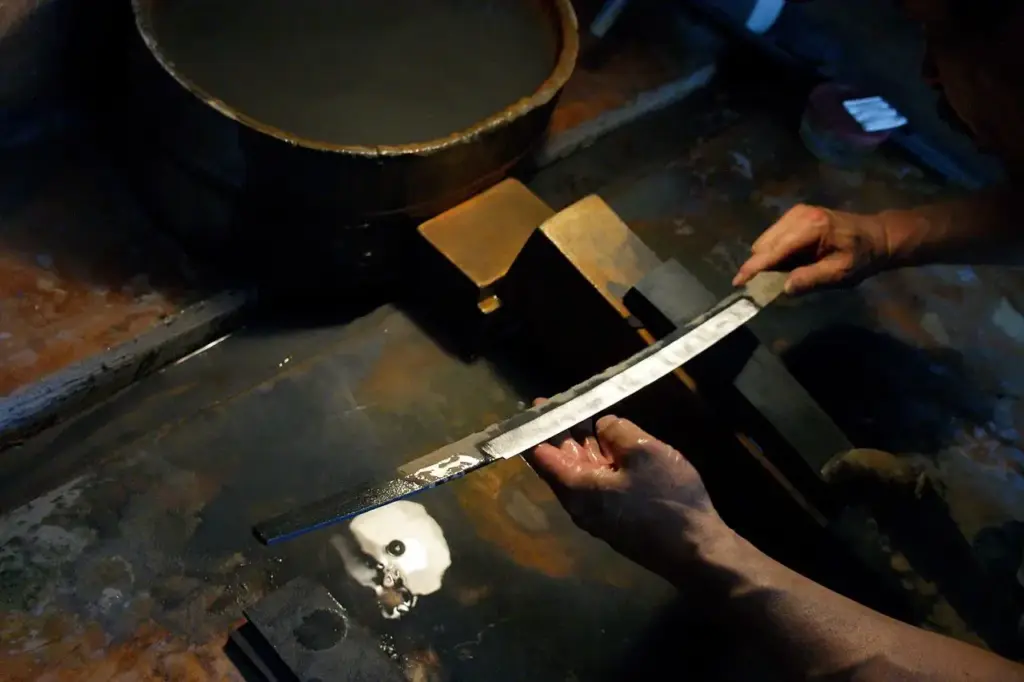
On a modern katana, handwork usually shows up in shaping, polishing, wrapping, fitting, inspection, or final assembly. Machine work usually handles the repeatable steps.
| Type | What it means | Best fit | Check before buying |
| Handmade / hand-finished | Some work is done by hand; hand-forged still needs proof. | Collectors, gifts, custom builds. | Which steps, steel, tang, fittings. |
| Machine-made / factory-made | Repeatable production, often easier to compare. | First katana, display, tighter budget. | Steel, full tang, tsuka fit, use limits. |
| Machine-assisted / hybrid | Production blade with some hand finishing. | Beginners who want clear specs. | Handwork step, habaki fit, loose parts. |
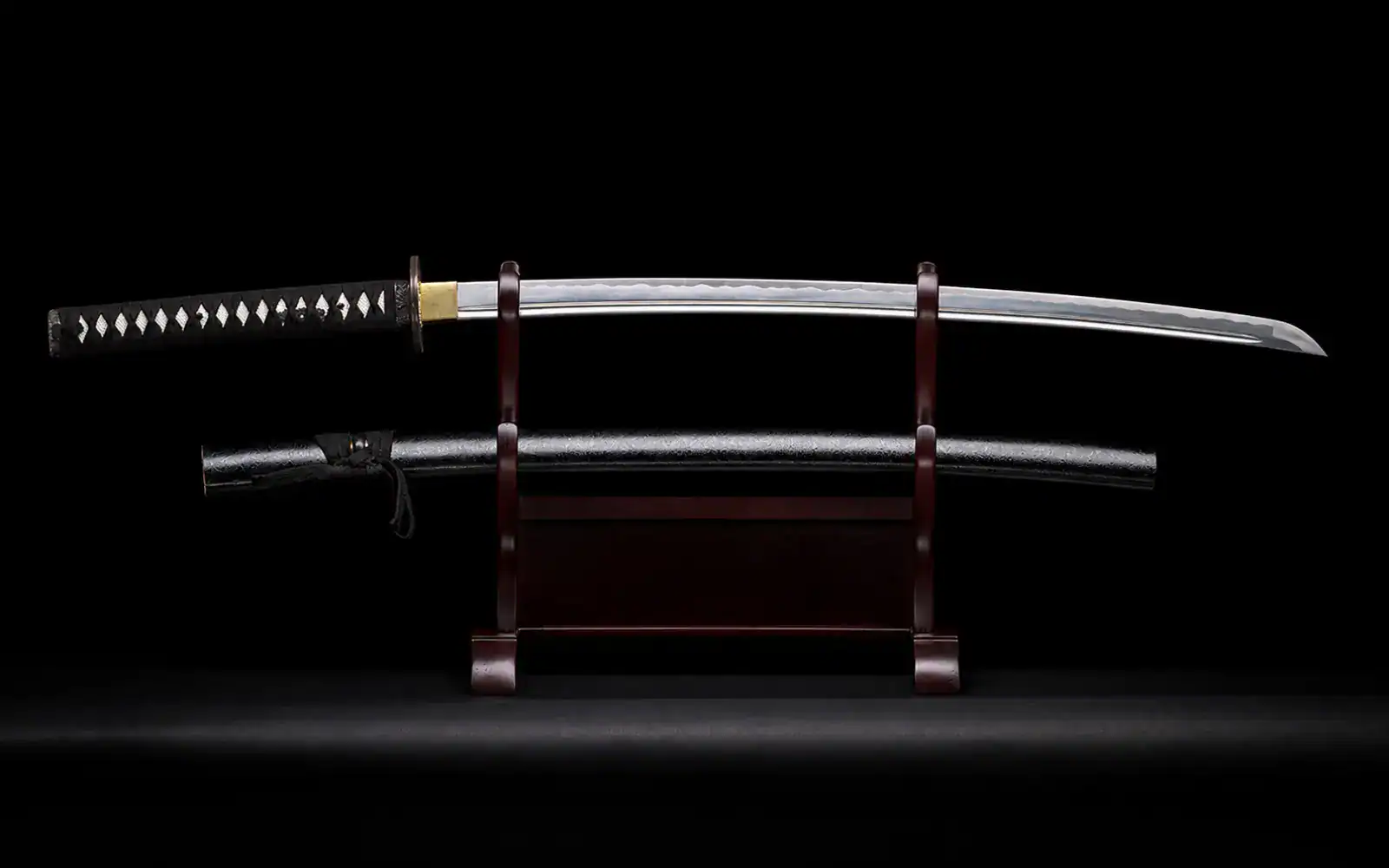
Machine-made does not mean decorative, and handmade does not mean battle-ready. A display sword, a practice sword, and a sharp cutting sword need different proof, so the same label can be a good buy in one lane and the wrong buy in another. A broad katana sword for sale collection is useful when you want to compare those lanes side by side.
What Handmade Means in Katana Listings
In modern katana listings, handmade can mean forging, grinding, wrapping, polishing, fitting, or final assembly. Hand-forged is narrower: it usually points to blade shaping, not every hand-finished step.
Machine-made, factory-made, and mass-produced describe process, not automatic quality. A useful listing names the steps clearly instead of asking you to trust one romantic word.
A listing that says machine-ground, clay tempered, hand polished, and hand wrapped tells you more than a one-word handmade claim.
What About Handmade Katanas Made in Japan?
A Japan-made handmade sword is a different lane from a low-cost e-commerce katana. Do not treat a listing that says “handmade katana” as a Japan-made nihonto or documented Japanese sword unless the seller proves origin and paperwork. Check import rules, local laws, and shipping restrictions before buying.
Check the Tang, Tsuka, and Saya
A display sword, a training sword, and a cutting sword should not be judged by the same safety standard.
- For any swinging or cutting, prioritize a sword explicitly sold for that use with full tang construction, secure fittings, suitable steel, proper heat treatment, and clear seller guidance. Partial, welded rod, rat-tail, decorative, or unstated tang designs should be treated as display-only unless the seller provides specific use documentation.
- Steel and heat treatment matter, but so do the parts your hand feels first: tsuka fit, tsuba tightness, habaki seating, saya retention, and whether anything rattles.
- A listing that names 1060 or 1095 and explains heat treatment tells you more than “premium steel” alone; folded steel and Damascus-style patterns still need use-case proof.
- The listing should say display, collection, practice, or cutting instead of leaving you to guess. A sword can look beautiful and still be wrong for cutting.
- Look for close photos of the tsuka, tsuba, habaki, saya mouth, blade finish, and any tang evidence the seller can reasonably provide before trusting functional claims, especially for a sharpened sword.
If you are comparing functional-style options, clearly labeled high carbon steel katana listings can make build details easier to check. For background, review what katanas are made of before comparing models.
Where Handmade Craft Adds Value
Handmade work is worth paying for when you can see or specify what the work changes.
That value should appear in customization, fittings, polish, balance, dimensions, wrapping, or a documented craft process. A vague handmade label is not enough to justify a premium, and handmade work can also mean more variation from sword to sword.
Collectors often care about polish, fitting choice, wrap quality, and whether the maker documents the work. Practitioners may care about balance and geometry that match their training style. Gift buyers usually pay for presentation, personalization, and meaning, not automatic cutting performance. KatoKatana’s custom katana path fits buyers who already know which details they want to personalize.
- For a collector, handmade value usually lives in finish, fittings, rarity, and documentation.
- For a practitioner, handmade value matters only when the build fits the training use and the instructor’s rules.
- For a gift, a custom tsuba, meaningful saya color, better wrap, or documented polish can matter more than any cutting claim.
Why Many First Katanas Are Production Swords
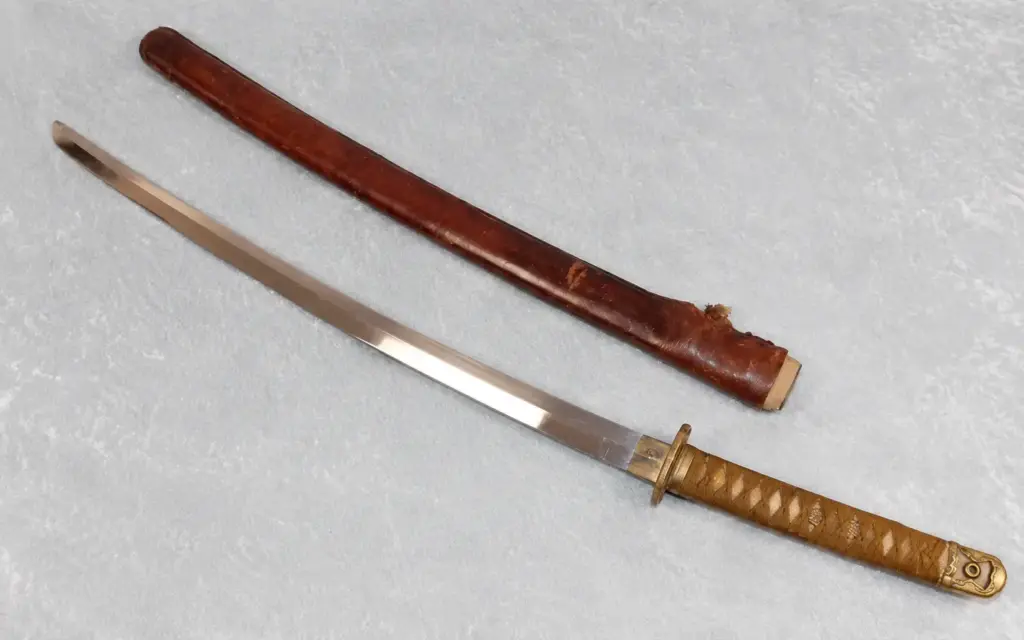
A machine-made or machine-assisted katana is not automatically a downgrade. For many buyers, it is the lower-risk first purchase.
A production katana with documented hand finishing or assembly can be easier to judge than a vague handmade listing. You can compare blade length, weight, steel, fittings, and seller photos side by side. What you give up is usually uniqueness, not necessarily build quality.
Production katanas often start below handmade or custom builds, while well-specified hybrid swords commonly occupy a middle tier.
Price should make you ask questions, not decide for you. A low price plus vague specs should slow you down, especially when you are still learning your preferences in weight, finish, edge type, saya fit, and display style.
Where Factory Consistency Helps
Factory consistency helps when the maker controls geometry, heat treatment, and component fit across repeated builds.
A production sword built for practice can outperform a handmade display sword for practice use. The display-versus-functional boundary still matters: do not use a display-only sword for cutting, even if the listing uses romantic language.
If two listings name the same steel and construction style, clearer photos, tighter fittings, and better support should carry more weight than romance in the copy. That is especially true for a first katana, where predictable fit matters more than a dramatic backstory.
Marketing Claims That Should Slow You Down
Pause when a katana listing leans on words like handmade, battle ready, traditional, razor sharp, premium steel, or folded without showing the build.
- Trust listings that name the steel, show tang details, and include clear photos of the blade, tsuka, saya, and fittings.
- Be careful with vague handmade claims, missing specs, glamour-only photos, or big cutting claims with little proof.
- Pause when a listing says battle ready, razor sharp, premium steel, or folded without explaining what the sword is built for.
After materials, look at how the seller writes. Vague promises are a warning sign, especially the ones covered in katana buying mistakes to avoid.
- Cutting practice should only happen where it is legal, supervised when appropriate, and done with suitable targets and a sword documented by the seller for that use.
- Check local laws, shipping rules, customs limits, age restrictions, and safe storage needs before buying, importing, shipping, carrying, storing, or using any sharp sword.
- Treat folded steel and hamon as claims to verify, not proof that the sword is fit for use or better built.
Buy the Build, Not the Label
Before paying a handmade premium, compare photos, process notes, and use guidance. A plain production sword with tight fittings can tell you more than a vague craft story.
Handmade is strongest when craft, personalization, or collector appeal matters. Production is usually smarter for a first katana, a beginner gift, or value-focused display because the tradeoff is easier to see before you buy.
FAQ
Is handmade always worth the extra cost?
No. Handmade is worth more only when it adds visible craft, customization, collector value, or documented finishing.
Are machine-made katanas any good?
Yes, when the seller documents suitable steel, heat treatment, full tang construction, solid fittings, and realistic use limits.
What does “handmade” mean on a katana listing?
It may refer to forging, finishing, wrapping, polishing, assembly, or only one part of the process.
Is hand-forged the same as handmade?
No. Hand-forged usually refers to blade shaping, while handmade can describe later finishing or assembly steps.
Can a machine-made katana be safe for cutting practice?
Sometimes, but only when the seller explicitly rates it for that use and documents full tang construction, suitable steel, heat treatment, and secure fittings. Treat partial, welded, rat-tail, decorative, or unstated tang designs as display-only unless the seller provides specific use documentation.


