


Nihonto vs Katana: When a Katana Is Not Nihonto

Quick Answer
- Nihonto literally means “Japanese sword,” but in sword listings it should point to a traditionally forged blade made in Japan.
- Katana is one specific long, curved sword type. A traditionally made Japanese katana can be nihonto, but many modern katana are not.
- Do not treat “nihonto,” “nihonto style,” and “real katana” as the same claim when comparing listings.
The simplest buying test is this: a katana listing asks you to judge the blade’s build and intended use, while a nihonto claim asks you to verify origin, smith, method, and paperwork.
Most buyers meet the nihonto vs katana question while comparing listings, not museum labels. One seller says “real katana.” Another says “nihonto style.” A third talks about Japanese steel, hamon, or antique value. This guide stays with the buying decision, not a full authentication checklist.
Nihonto vs Katana: What You Check
Use this table as a quick check while reading a listing, not as an authentication test.
| Comparison point | Nihonto | Katana |
| Meaning | Traditional Japanese sword category | One sword shape |
| Relationship | Can include katana and other forms | Nihonto only if traditionally Japanese-made |
| What to check | Origin, smith, papers | Steel, build, use |
| Common mistake | Reading it as a luxury label | Assuming all katana qualify |
| Better fit | Collectors and heritage buyers | Beginners, display, gifts, practice |
| Next step | Verify before paying collector money | Check steel, tang, heat treat |
- First display sword, gift, or practice-ready blade: modern functional katana.
- Documented Japanese craft, preservation, and provenance: nihonto.
What a Nihonto Label Should Prove
In a product listing, nihonto should mean more than a Japanese look. The word should make you ask: made where, by whom, by what method, and with which papers?
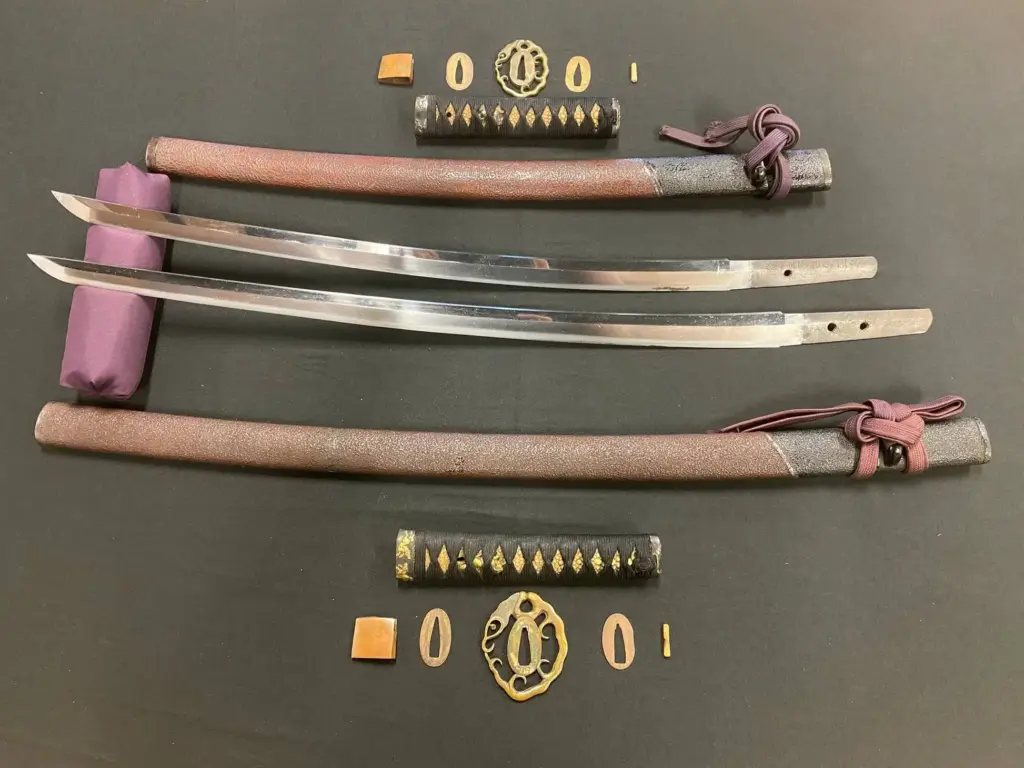
Nihonto can include katana, tachi, wakizashi, tanto, and other traditional Japanese sword forms. A buyer sorting through Japanese sword names can use this broader different types of katana guide for context, but nihonto itself needs more than shape recognition.
A first-time buyer does not need nihonto just to own a good-looking katana. Nihonto belongs closer to collecting and preservation than casual display, gifting, or regular handling.
- The word “nihonto” in a product listing is not proof of authenticity.
- Phrases like “nihonto style,” “nihonto quality,” and “Japanese nihonto design” can be marketing language.
- A real nihonto claim needs Japanese origin, traditional method, and paperwork that says what it proves.
When a Katana Can Be Nihonto
Katana names the sword form, not the collector status. That is why a katana can be functional, sharp, or well made without being nihonto.
A traditionally made Japanese katana can be nihonto. A modern katana made outside Japan can still be a real functional katana, but the buyer is checking construction and use rather than Japanese provenance.
That distinction matters because a listing can be honest while still not meaning what a collector means. A plain “katana” claim is about the sword form. A nihonto claim should lead to origin, method, smith, paperwork, and seller credibility.
What Makes a Sword Count as Nihonto?
A sword does not count as nihonto because the title sounds impressive. A serious listing should make origin, smith, method, and paperwork easy to check before the price starts sounding collectible.
- Made in Japan.
- Forged using traditional Japanese methods, often with tamahagane steel.
- Attributed to a real smith or workshop when possible.
- Supported by documents that say what they prove, such as Japanese registration or export paperwork, provenance records, or recognized appraisal papers. Do not treat one document as the whole story.

A trusted seller helps, but the title is not the proof. Steel claims are only part of the story. This guide to what katanas are made of helps with materials, but a nihonto claim still needs origin, method, and documents.
- Hamon can be a useful visible clue, but it is not proof by itself because fake, etched, or cosmetic hamon also exist.
- International buyers should check paperwork before purchase. Traditional or antique Japanese swords may involve registration, export, import, customs, age, or ownership documents depending on the country.
- Check your local laws and customs rules before buying or shipping any sword.
Nihonto Is Not Always Antique
No, nihonto does not always mean antique. A modern Japanese-made sword can still qualify when a licensed smith uses traditional methods, while an old-looking decorative sword may not qualify at all.
Age alone is not the deciding factor. A newer traditionally made Japanese sword may still belong to the nihonto world, while a mass-produced sword with an aged finish may only be a decorative or functional modern katana.
Treat nihonto more like a collectible artifact than a normal product purchase. Condition, polish, smith attribution, provenance, registration, storage, and legal transfer can all matter. This price guide on how much a real katana costs helps separate practical swords from collector pieces.
Can a Modern Katana Still Be Real?
“Not nihonto” does not automatically mean fake, low quality, or useless. It means the sword is outside the traditional Japanese collector category.

A modern katana is worth considering when the listing explains blade steel, tang construction, heat treatment, fittings, edge state, and intended use. The phrase real katana sword can mean functional rather than traditionally Japanese, so check what kind of “real” the seller is claiming.
A well-made high-carbon steel katana can suit display or collecting-style ownership. For any sharp-blade training or cutting practice, use only an instructor-approved blade, legal targets, and a controlled setting. Do not assume modern steel is always superior to traditional blades.
Should You Buy Nihonto or a Modern Katana?
Most first-time buyers should start with a well-made modern katana. Nihonto makes more sense for collectors who are ready for preservation, provenance, and higher ownership responsibility.
- First katana, display, or gift: choose a modern katana because it is easier to own, explain, customize, and maintain.
- Historical collecting: consider nihonto only when provenance, preservation, and paperwork are part of the goal.
- Training: start with a bokken or iaito unless an instructor approves a sharp blade.
- Cutting practice: use an instructor-approved functional blade only where legal, with safe targets and proper supervision.
- Traditional-inspired look: a clearly labeled tamahagane replica sword can offer that aesthetic without making the same authenticity claim as certified nihonto.
Do not start with nihonto if you mainly want a first display sword, a gift, a customizable blade, or a sword for regular handling. A collector-grade blade brings storage duties, paperwork questions, and a higher cost of being wrong.
Before buying any sword, check your local laws, shipping rules, customs limits, and age requirements. Sharp blades should be used for training or cutting only with qualified supervision and a legal setup. Store every sword where children, guests, and pets cannot reach it.
Mistakes to Watch for in Sword Listings
Watch out for marketing phrases that blur the line between shape, sharpness, and traditional authenticity.
| Listing phrase | What it usually means | Buyer caution |
| Nihonto | Traditional Japanese origin claim | Ask for papers and smith details |
| Nihonto style | Inspired look | Not proof |
| Japanese-style katana | Japanese-inspired design | Check origin |
| Real katana | Functional or sharp claim | Not nihonto proof |
| Shinken | Live blade | Sharpness, not origin |
| Tamahagane replica | Traditional-inspired replica claim | Not certification |
Use “nihonto” claims to check origin, method, smith, and paperwork. Use “katana” claims to compare build, steel, fittings, heat treatment, and use. This guide to mistakes to avoid when buying a katana covers the shopping habits that help buyers slow down before trusting a title.
Common Nihonto vs Katana Questions
Is every katana a nihonto?
No. A traditionally made Japanese katana can be nihonto, but many modern katana are production swords made outside Japan. They may share the katana shape without belonging to the nihonto category.
Can a modern katana be nihonto?
Yes, but only in a specific sense. A modern sword made in Japan by a licensed smith using traditional methods can belong to the nihonto world. Modern age alone does not disqualify it.
Can a Chinese-Made Katana Be Nihonto?
No, a katana made in China is not usually called nihonto in the collector sense because nihonto points to traditional Japanese origin and method. It may still be a real functional katana if properly made.
Is a Non-Nihonto Katana Worth Buying?
Yes. “Not nihonto” only means it is not a traditionally made Japanese sword in the collector sense. A modern katana can still suit adult display, first-time ownership, or supervised training where legal.
What Paperwork Should a Nihonto Listing Show?
A serious nihonto listing should explain what its papers prove, such as Japanese registration, export paperwork, provenance records, or recognized appraisal papers. No single document should be treated as complete proof by itself.
The Rule to Remember
Choose nihonto when provenance and preservation are the point. Choose a modern katana for display, gifting, and practical ownership; use sharp blades for training only where legal and supervised. The better first step is deciding what responsibility you want, not chasing the fanciest word in a listing.
Practical ownership starts with clear filters. Compare functional katanas by steel type, blade length, intended use, and local ownership rules. Most buyers narrow the choice before they need deeper collector terminology.


