



Filter
Showing all 14 resultsSorted by latest
-


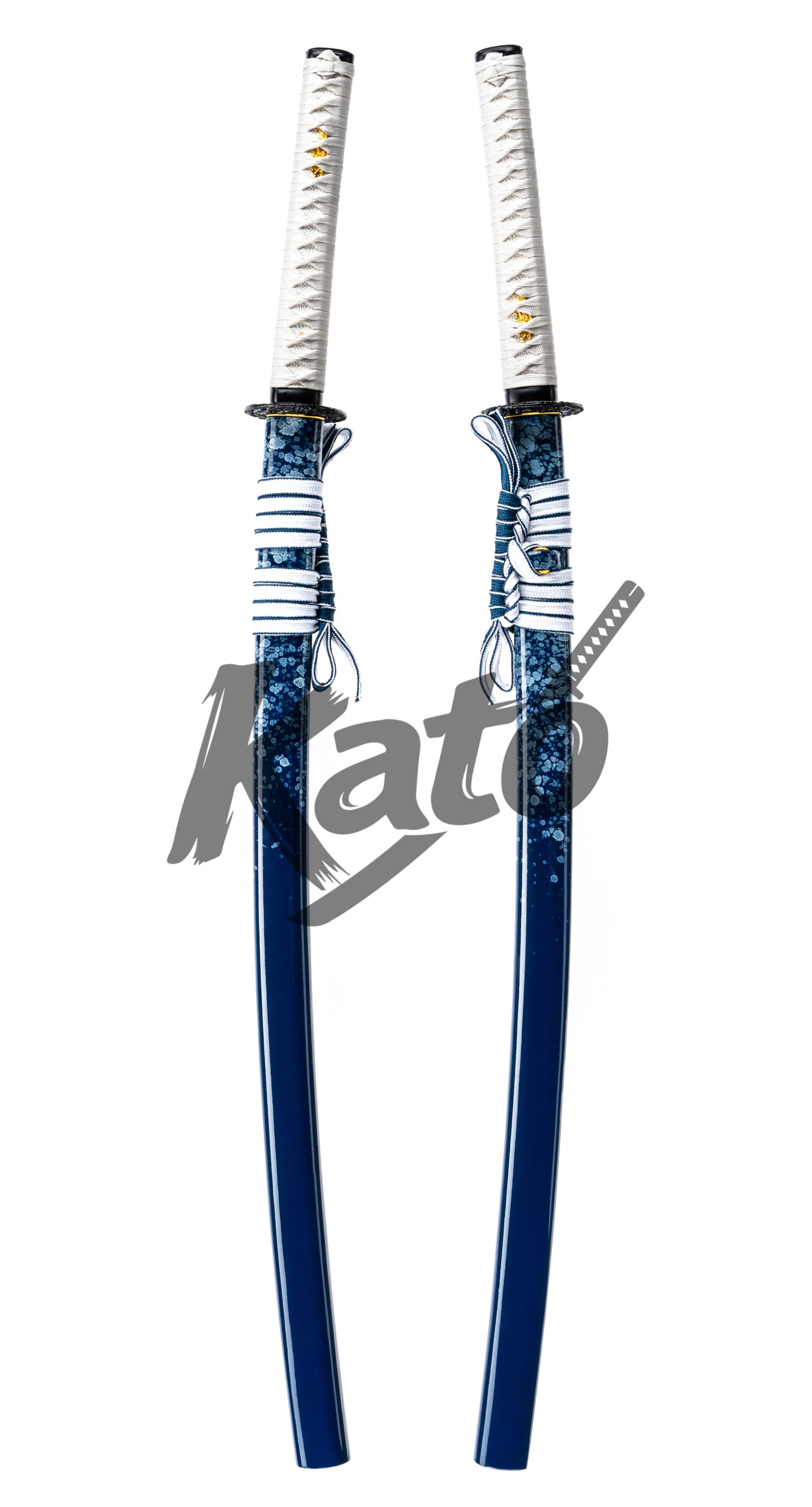
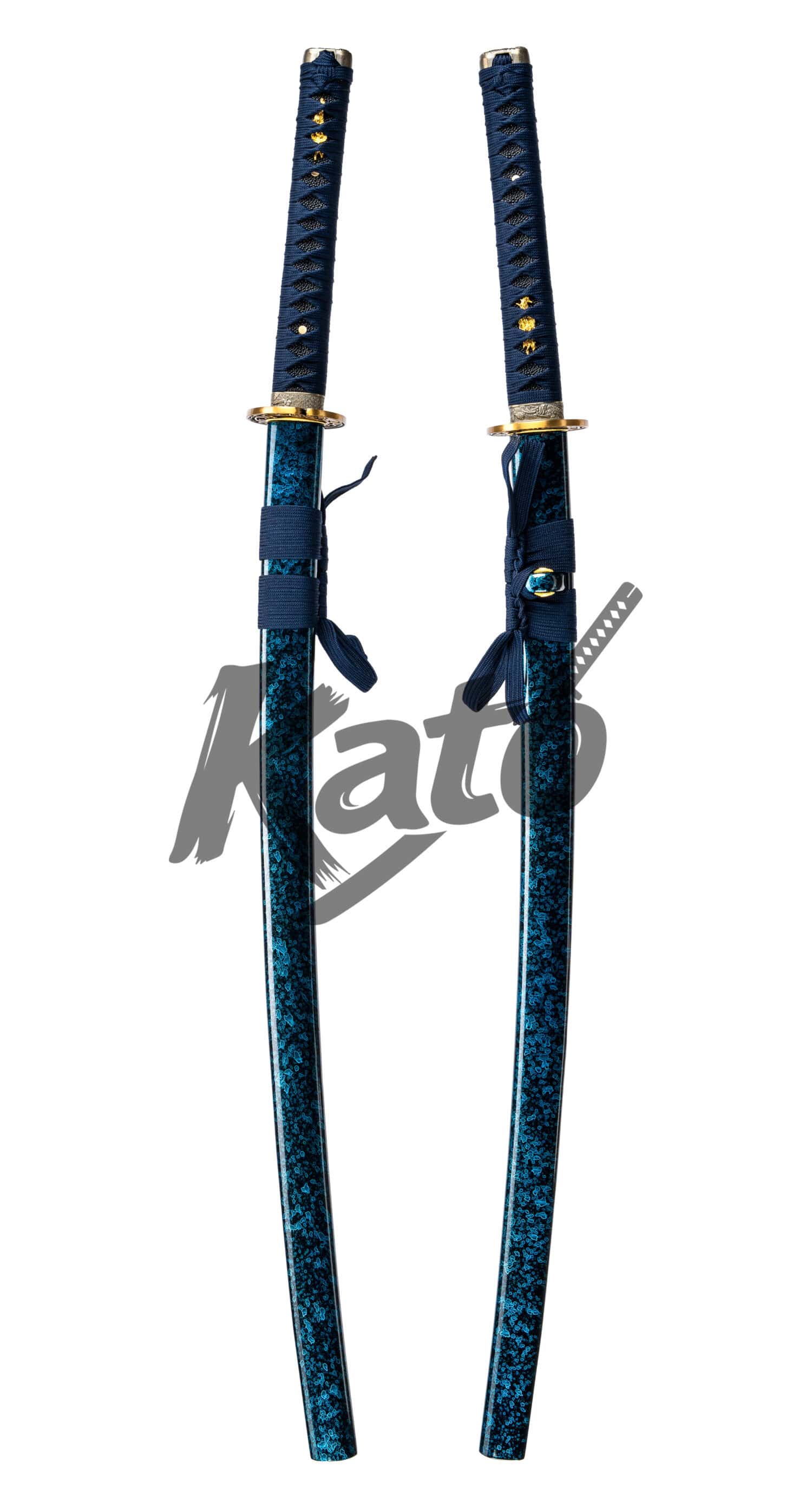
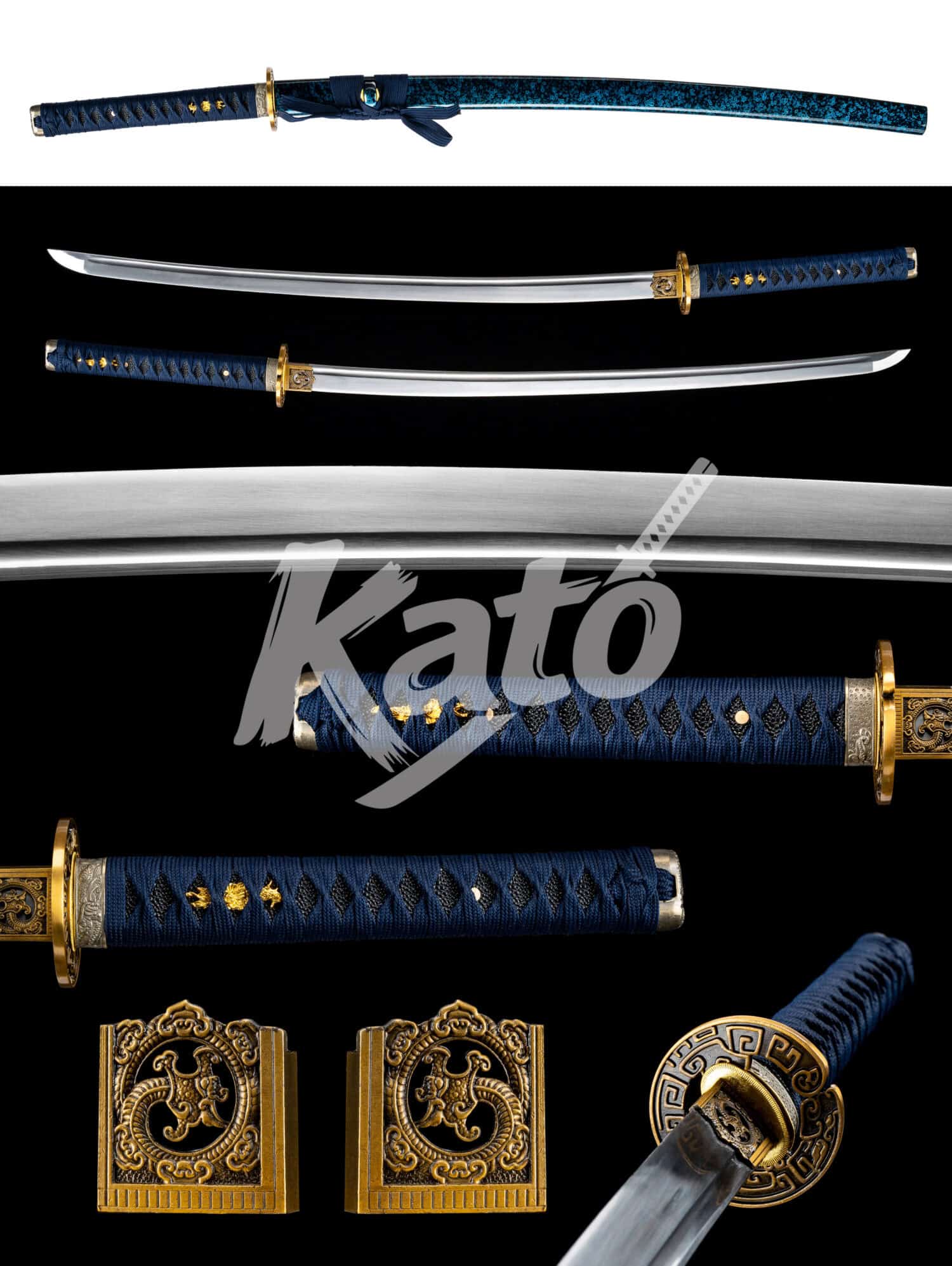
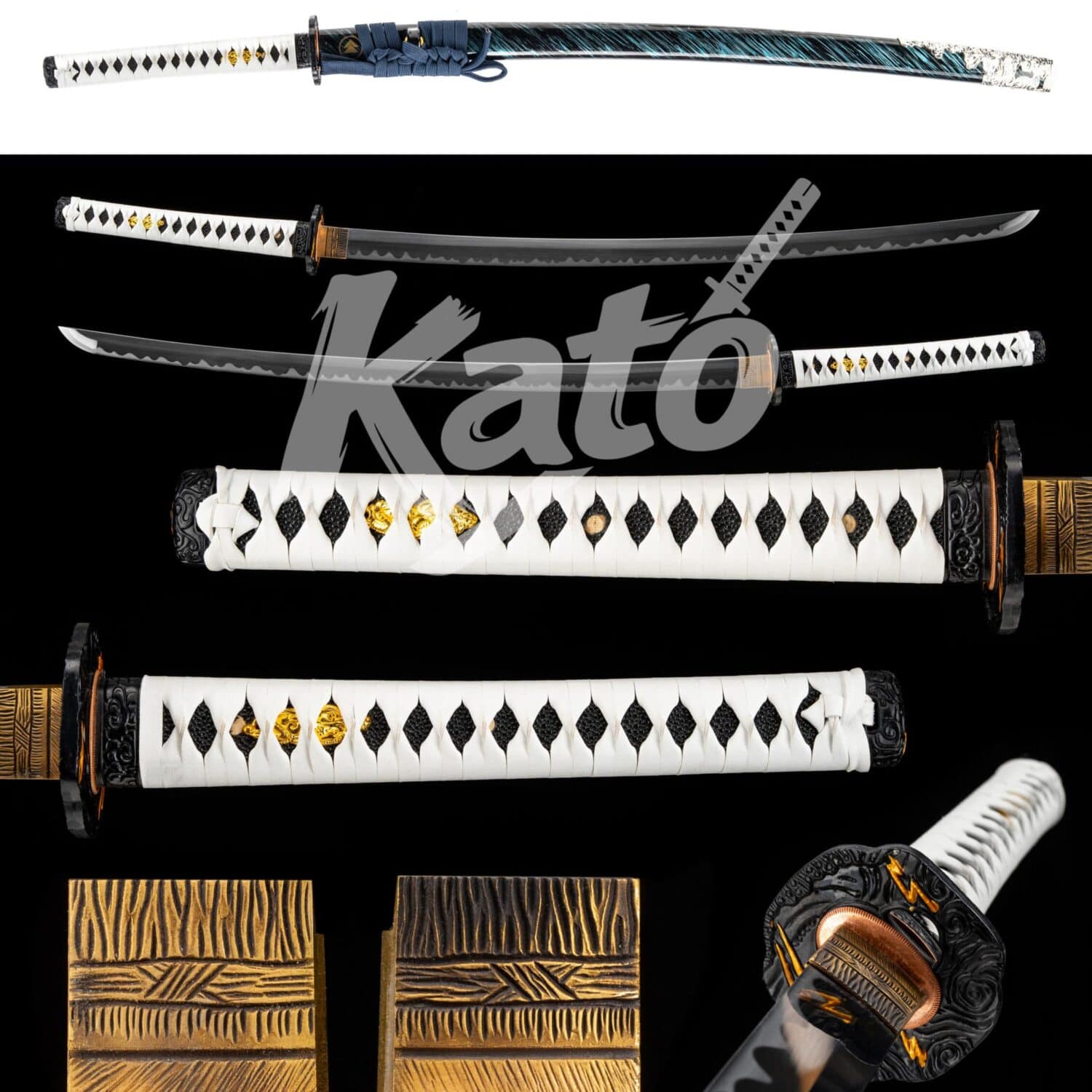
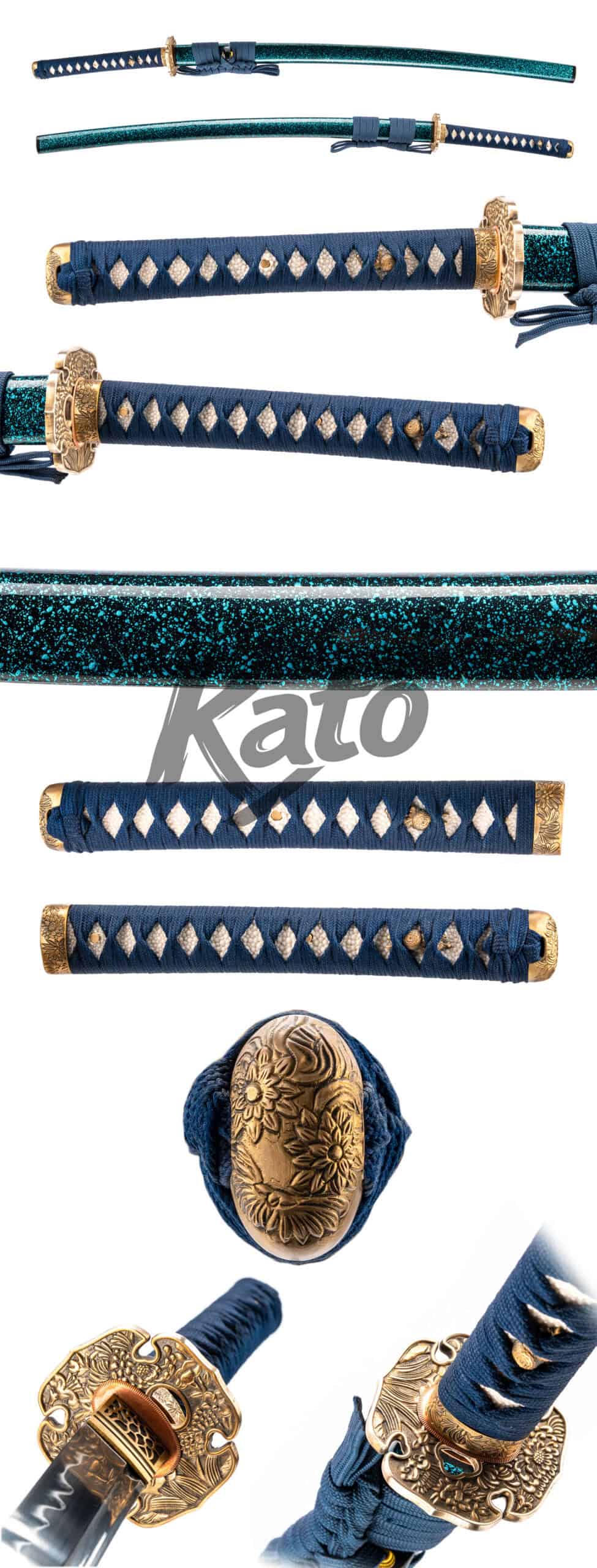
Blue Handle Damascus Katana – Hand Forged Samurai Sword with Bo-Hi
Original price was: $373.75.$299.00Current price is: $299.00. -
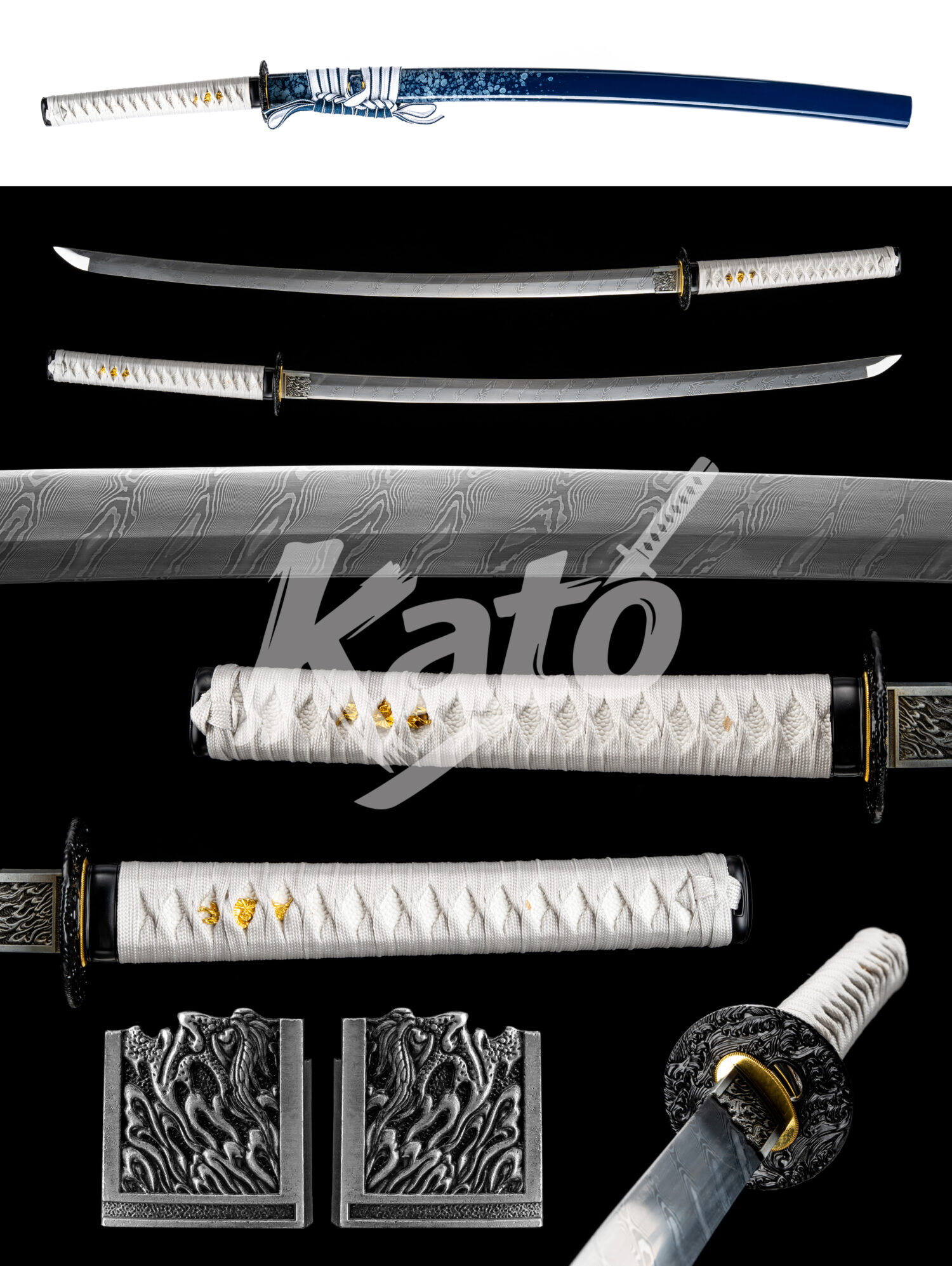
Pattern Welded Steel Katana – Hand Forged Damascus Style Samurai Sword
Original price was: $325.00.$260.00Current price is: $260.00. -
Damascus Katana Sword – Sakura Japanese Samurai Sword Hand Forged
Original price was: $373.75.$299.00Current price is: $299.00. -
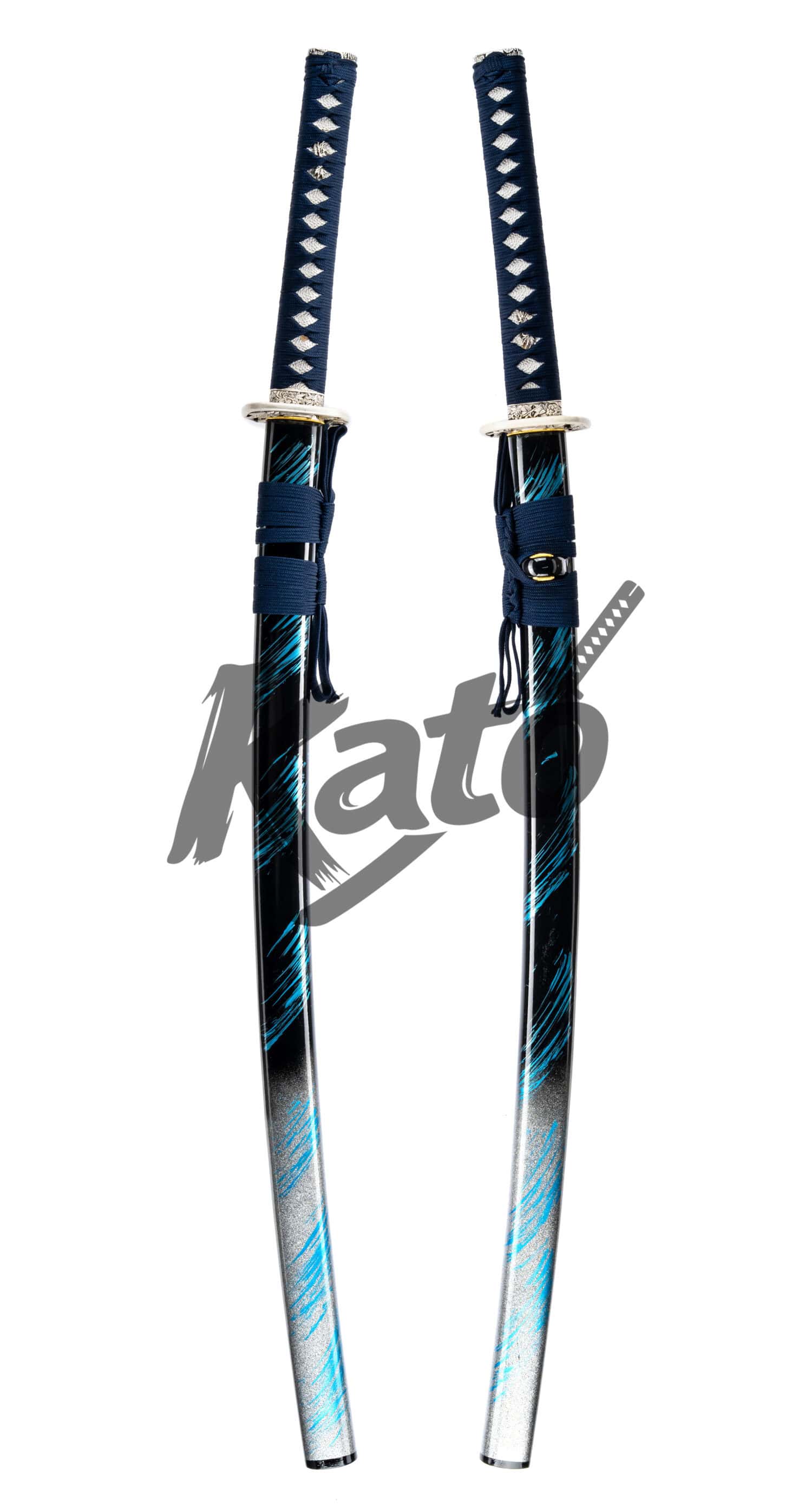
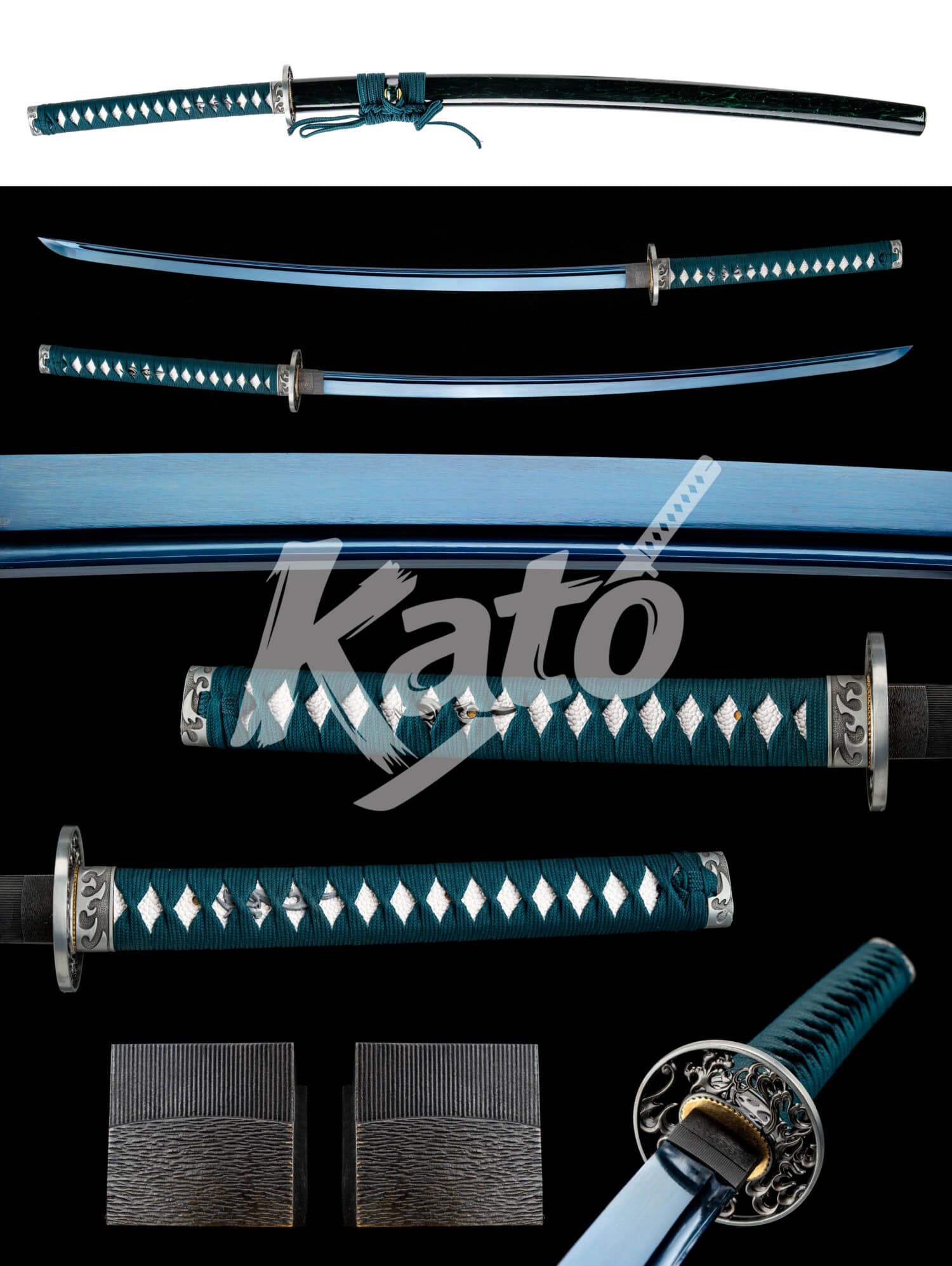
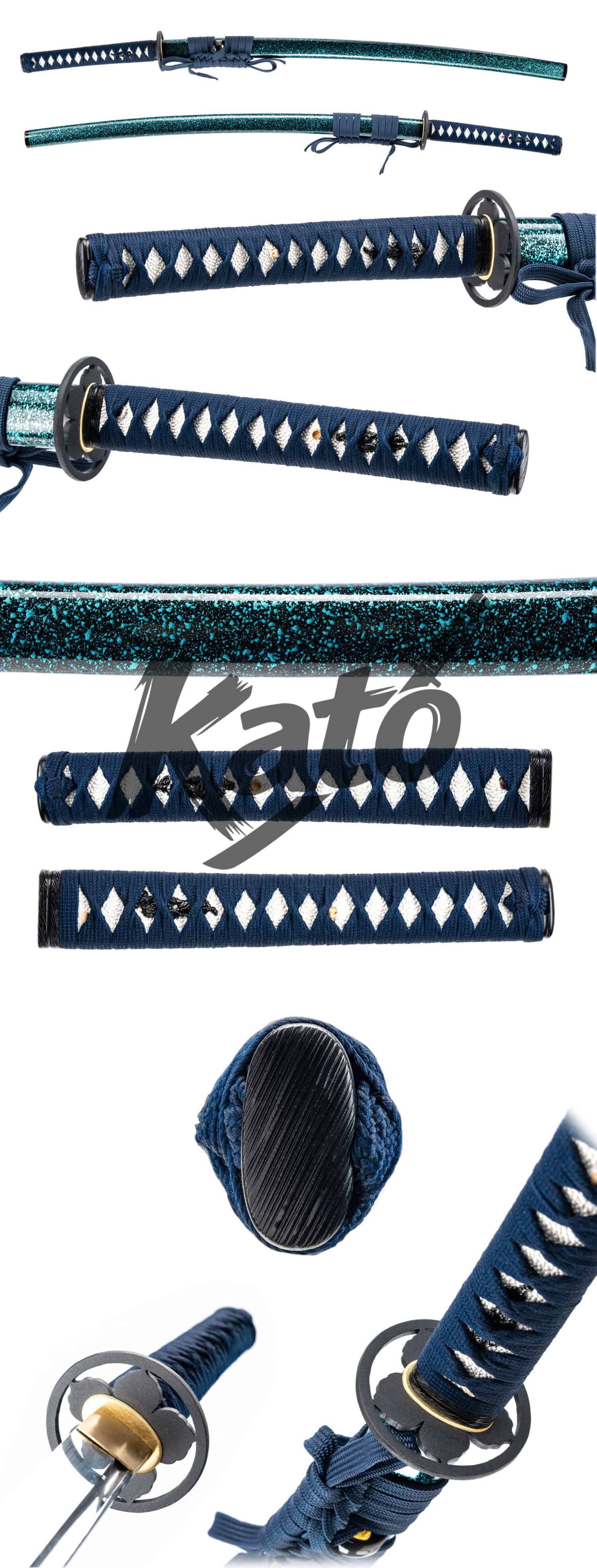
Blue Katana 5160 Spring Steel – Hand Forged Samurai Sword
Original price was: $248.75.$199.00Current price is: $199.00. -
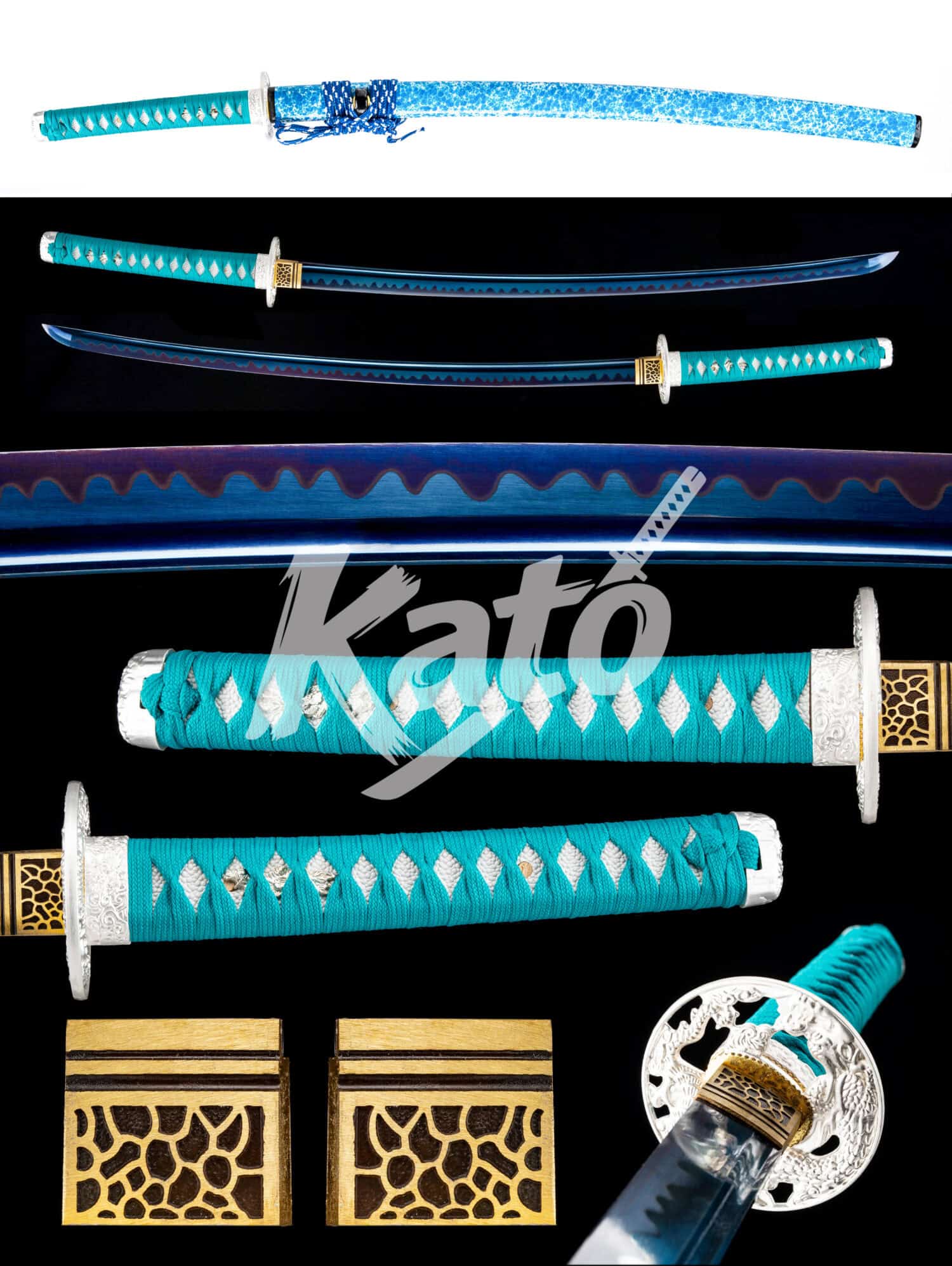
Blue Katana 5160 Steel – Heat Blued Samurai Sword, Razor Sharp, High Flex Blade
Original price was: $248.75.$199.00Current price is: $199.00. -


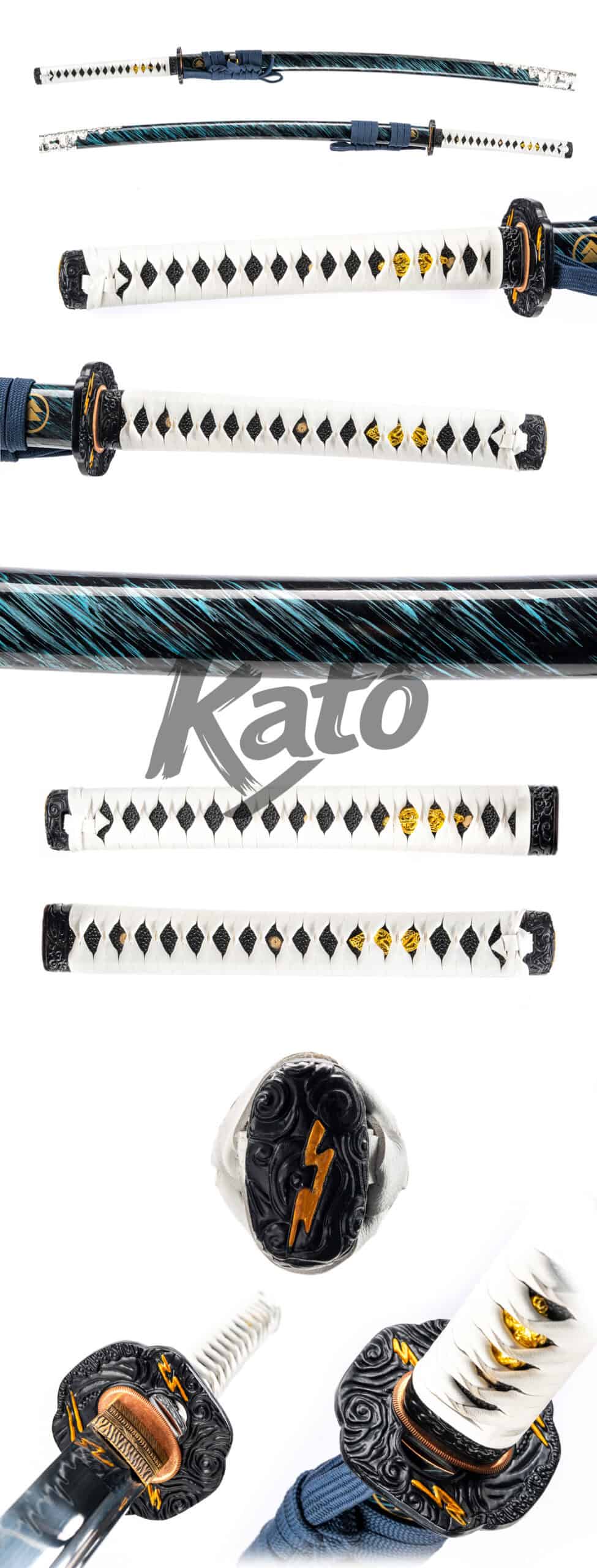
Ghost of Tsushima T10 Katana Tanto Set Replica Collectible Handmade
Original price was: $450.00.$380.00Current price is: $380.00. -

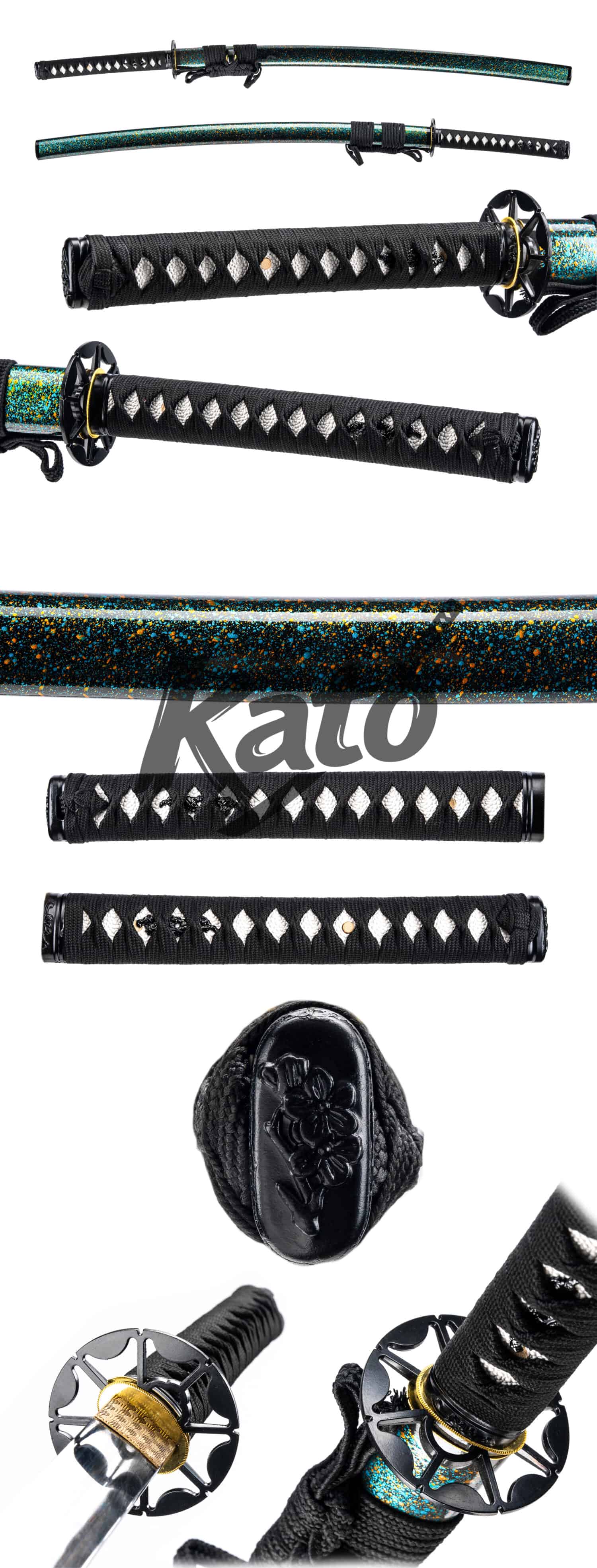
5160 Spring Steel Folded Mirror Polished Katana Handmade Japanese Sword Collectible Midnight Sparkle / Galaxy Blue Copper
Original price was: $225.00.$180.00Current price is: $180.00. -
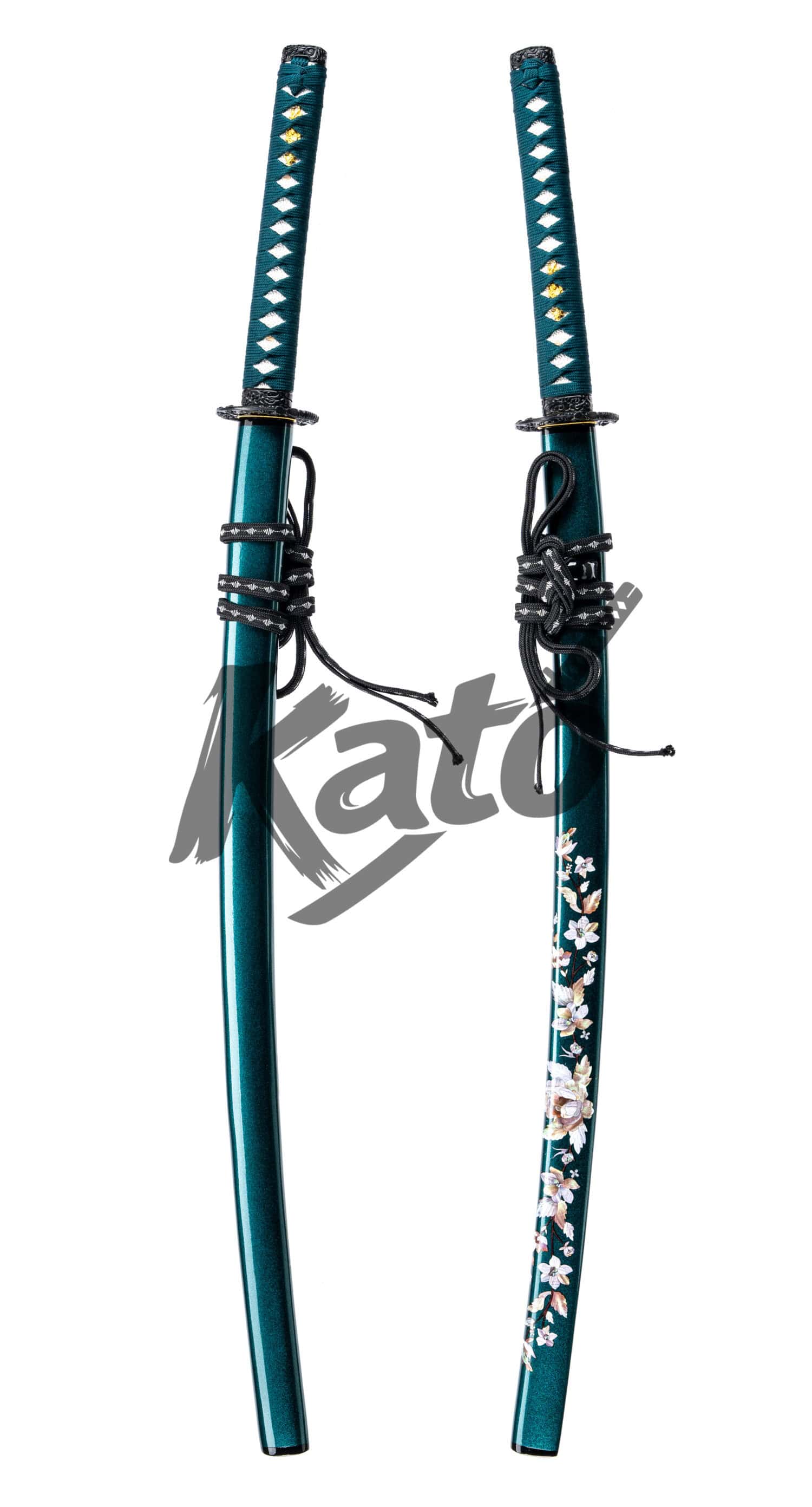
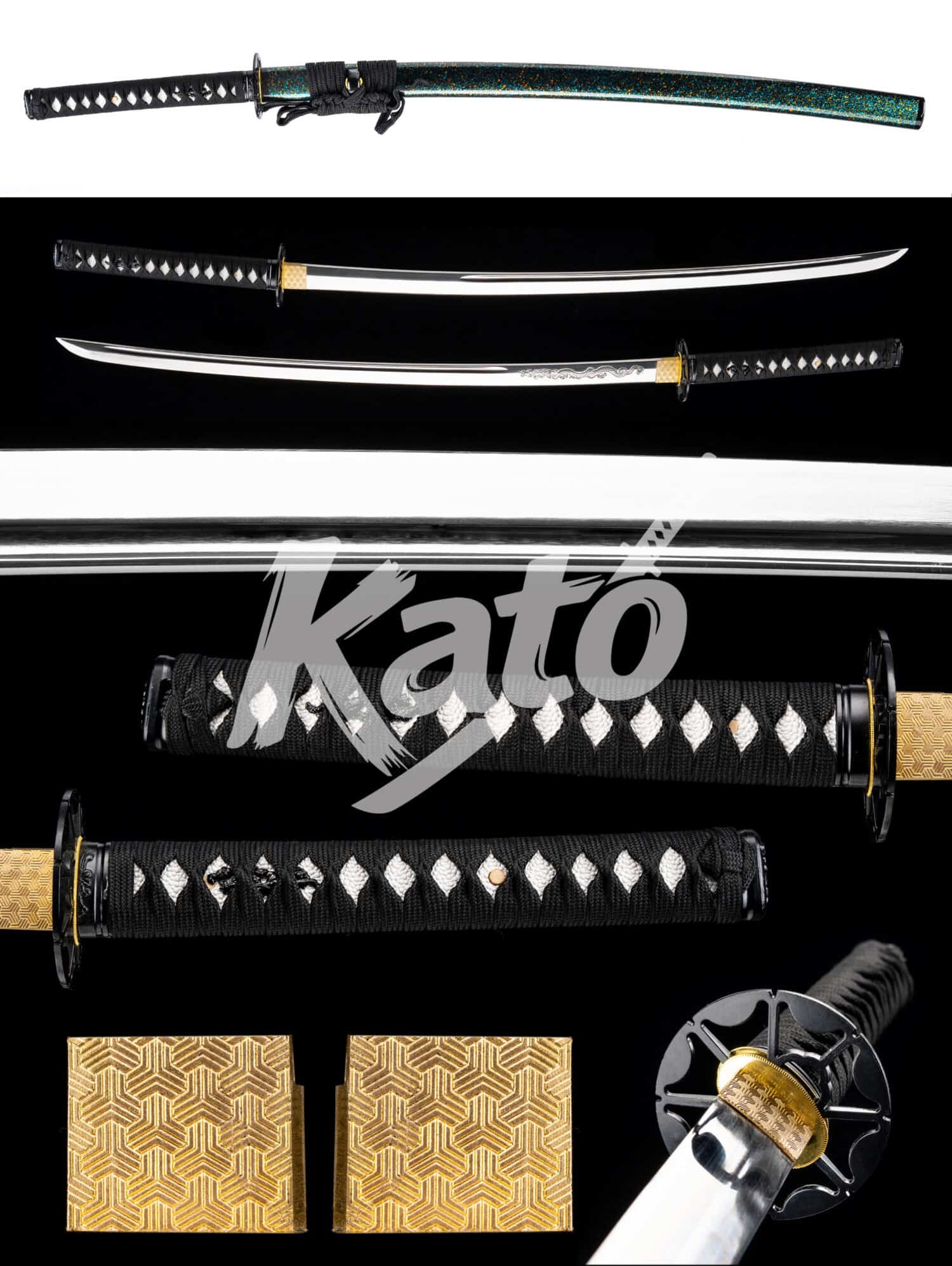
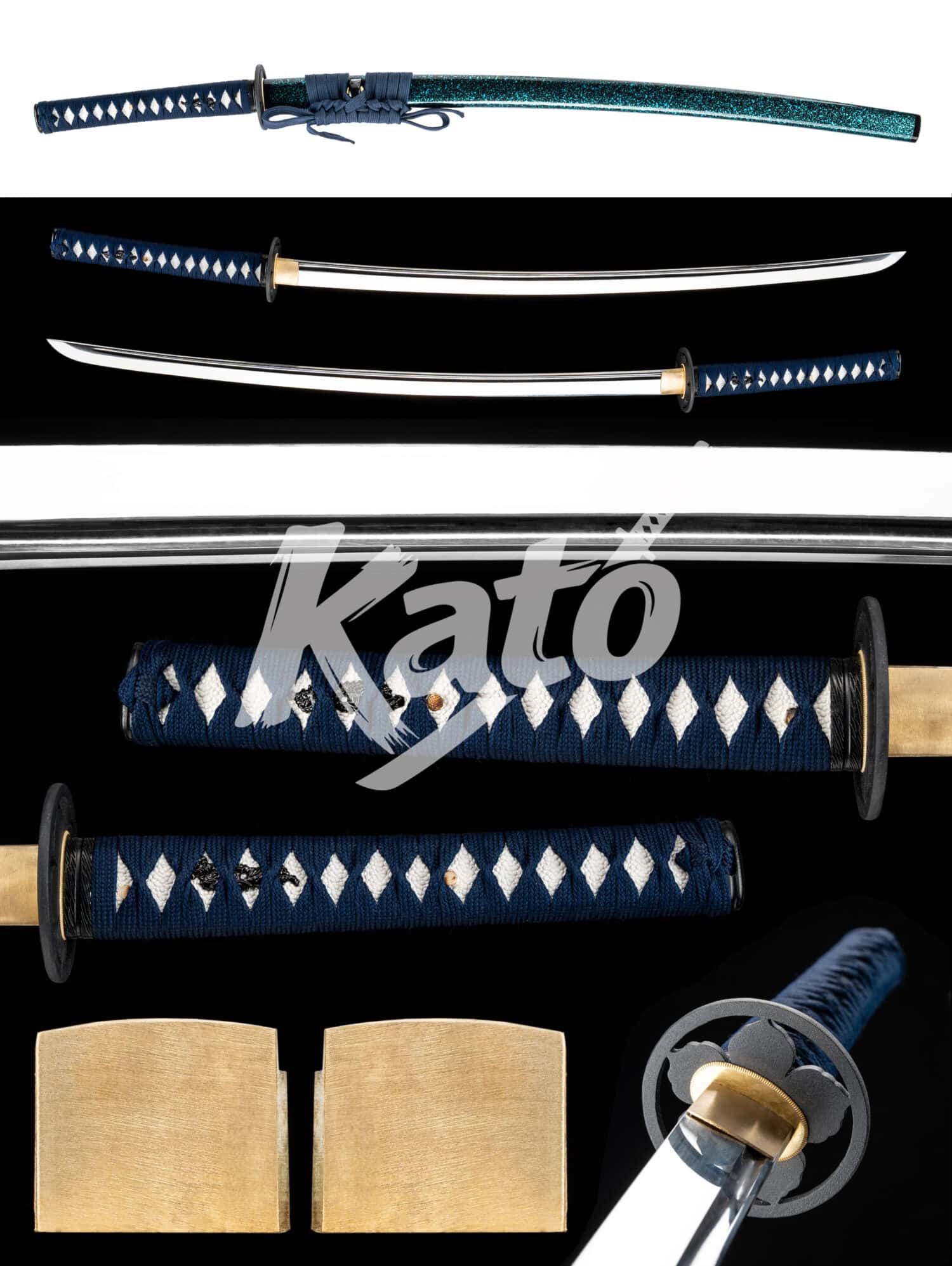
5160 Spring Steel Mirror Polished Katana Handmade Japanese Sword Collectible Teal Saya Iron
Original price was: $249.00.$198.00Current price is: $198.00. -
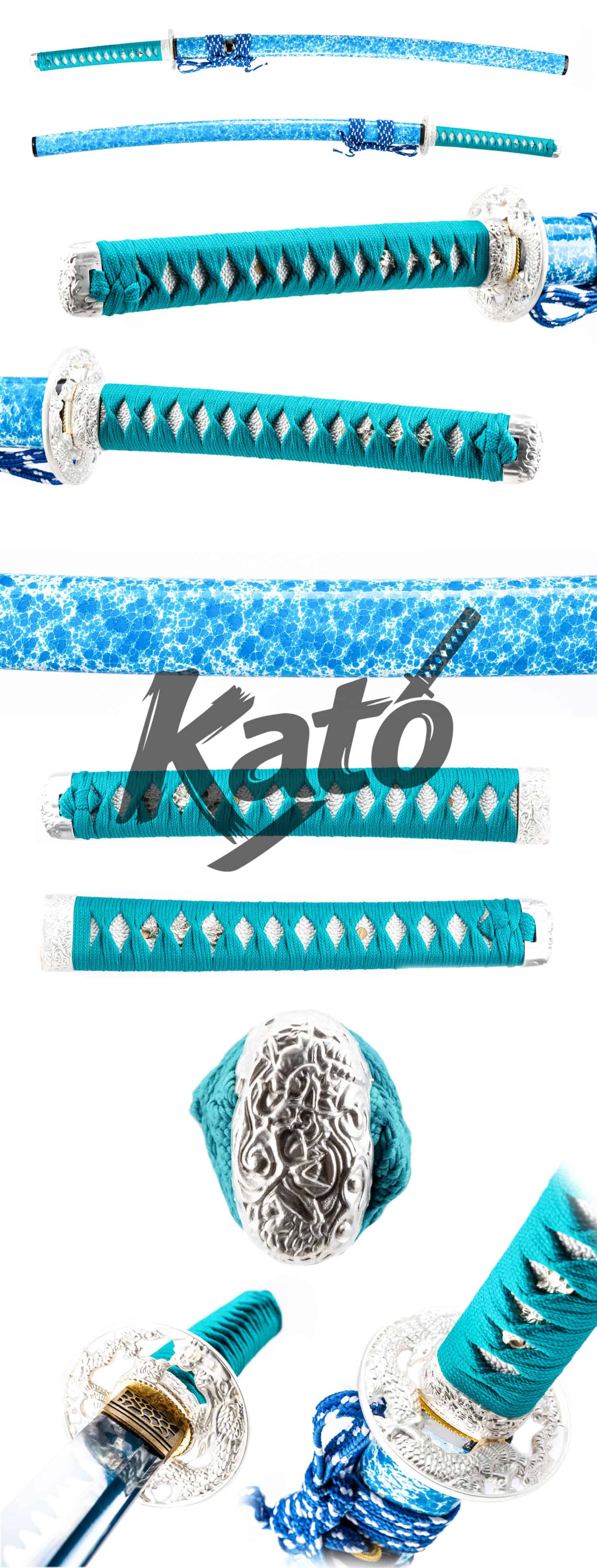
9260 Spring Steel Katana Handmade Japanese Sword Collectible Blue Finish Tencel Ocean
Original price was: $300.00.$198.00Current price is: $198.00. -
Sanmai Clay Tempered 18-Step Polished Katana Handmade Japanese Sword Collectible Gilt Copper Tencel
Original price was: $700.00.$580.00Current price is: $580.00. -
5160 Spring Steel Folded Katana Handmade Japanese Sword Collectible Copper Tencel Pro
Original price was: $300.00.$180.00Current price is: $180.00. -
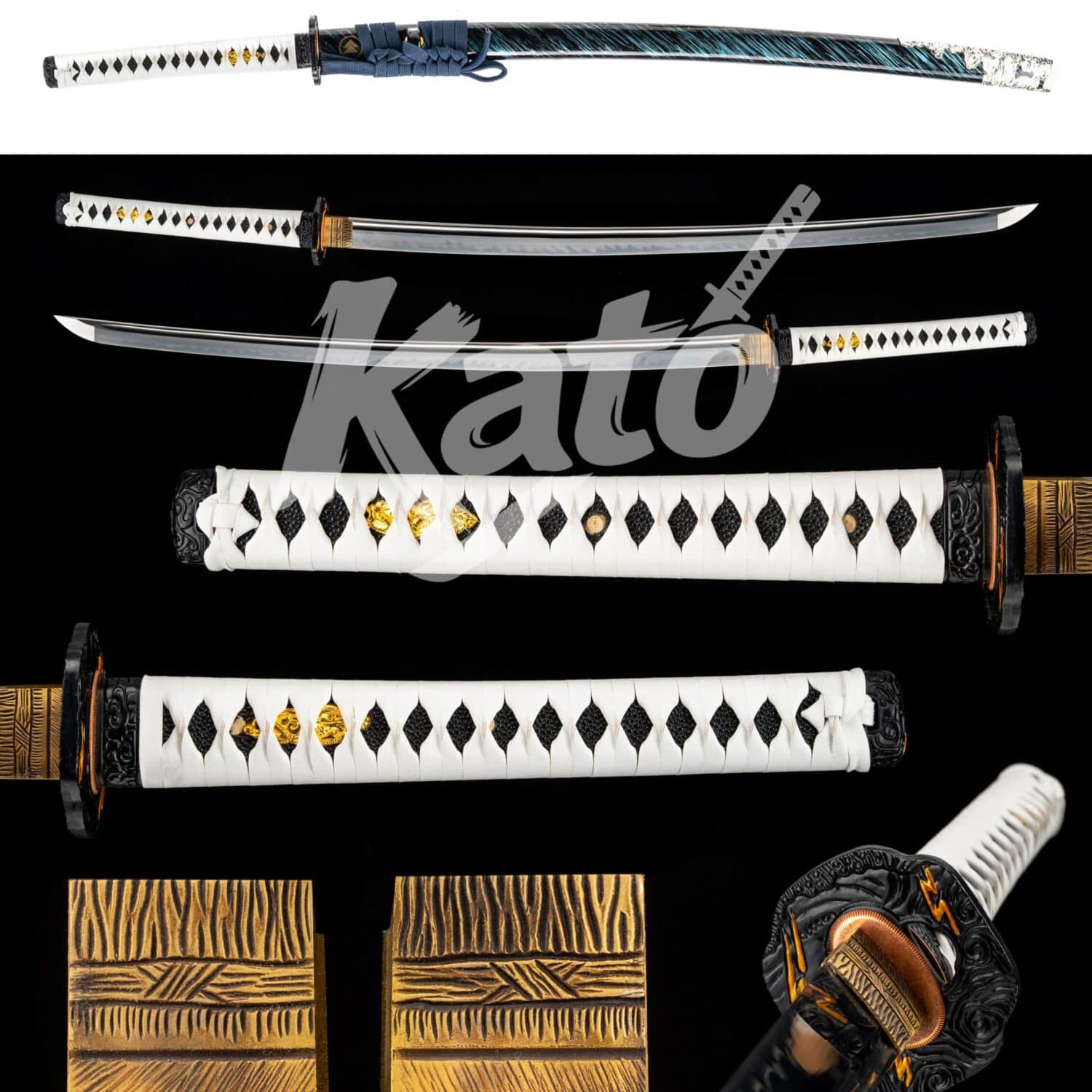
Ghost of Tsushima 5160 Spring Steel Katana Replica Collectible Handmade
Original price was: $300.00.$198.00Current price is: $198.00. -
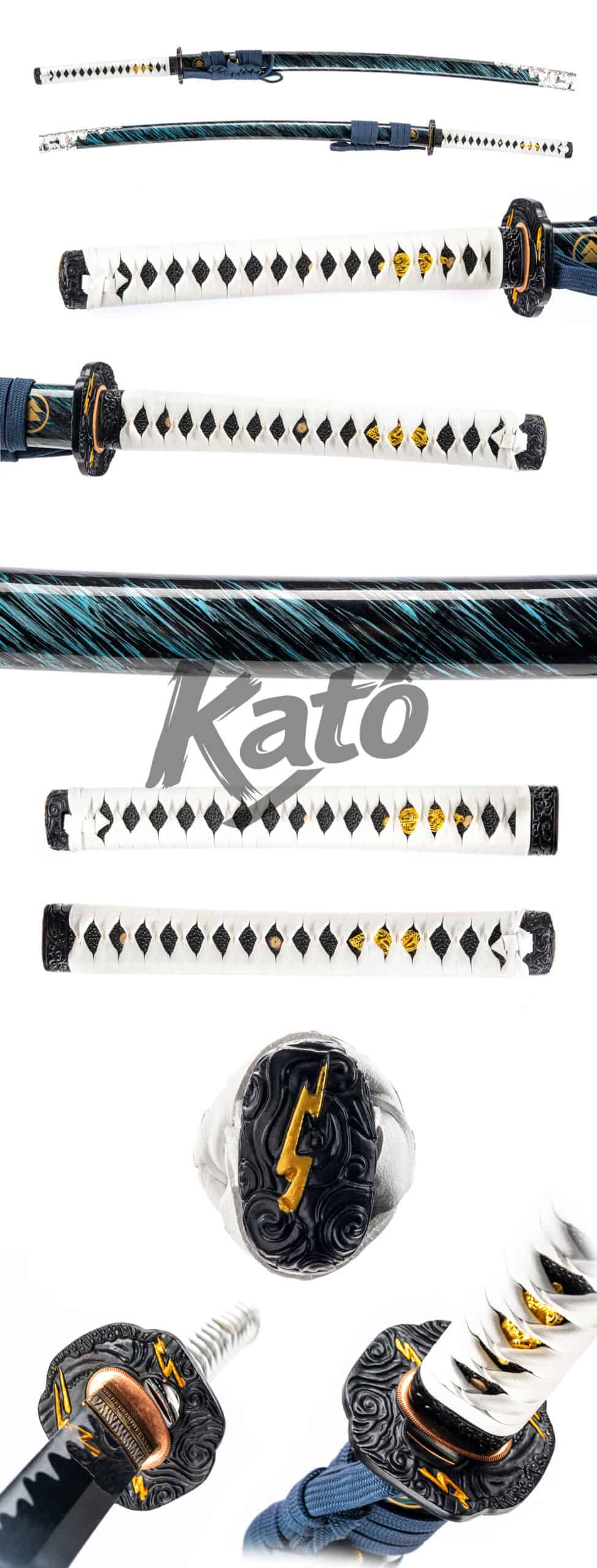
T10 Clay Tempered Katana Handmade Japanese Sword Collectible Piano Black Copper Standard
Original price was: $500.00.$218.00Current price is: $218.00. -
Ghost of Tsushima T10 Katana Replica Collectible Handmade
Original price was: $300.00.$188.00Current price is: $188.00.






Fast Shipping

Made To Order

Ethically Sourced

30 Days Return

100% Secure Checkout