



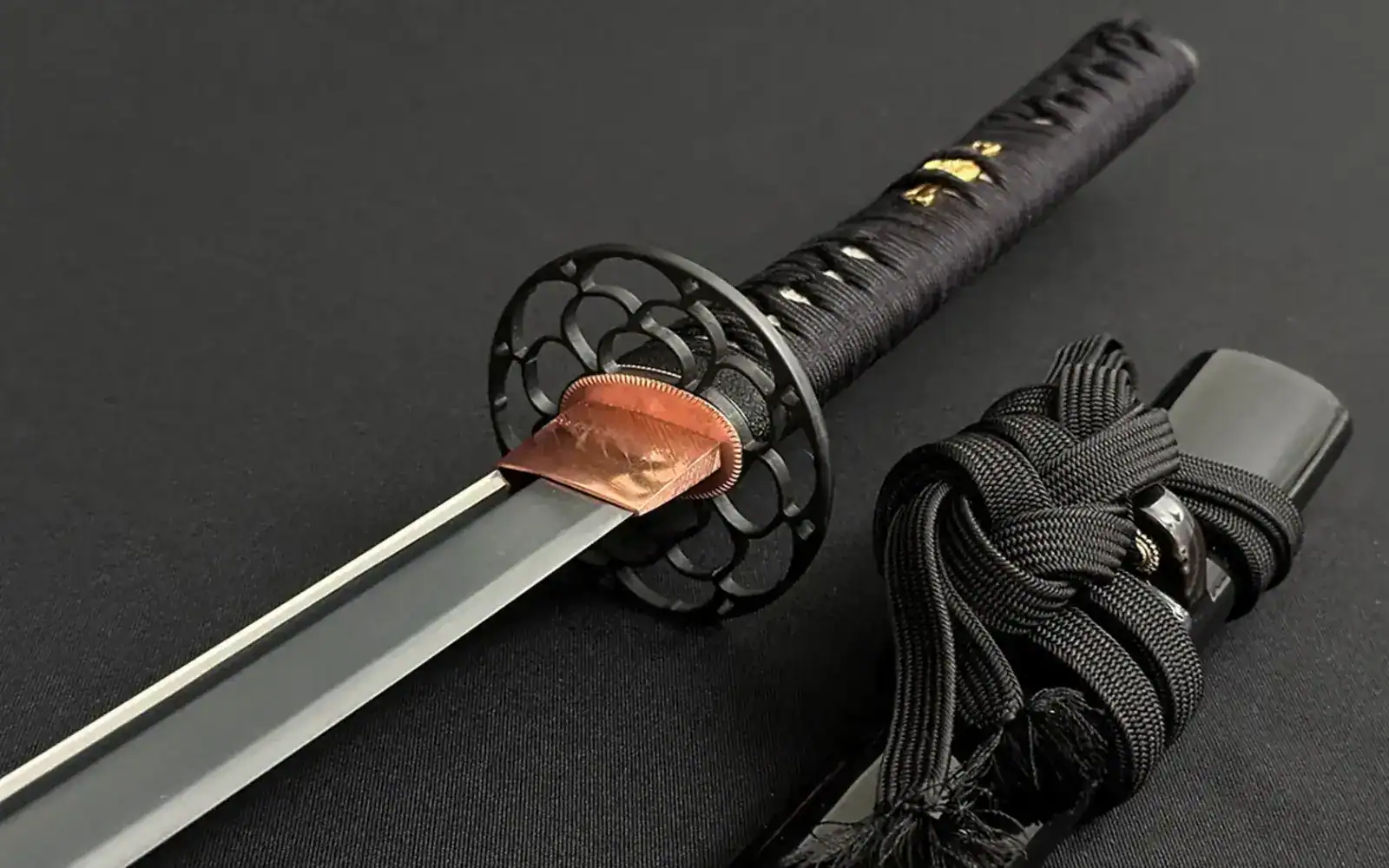
Different Types of Katana Explained: Steel, Use, and Construction

Katana can be classified by history, shape, steel, or purpose. For modern buyers, the most important differences come from steel composition and tang construction, which decide whether a sword is safe to swing.
This guide uses a simple formula: steel + purpose = the right sword, helping you filter options and avoid buying a decorative prop for martial arts.
Types of Katana by Steel
Steel choice involves a basic trade-off. Adding more carbon makes an edge harder and sharper. But that same hardness makes the blade more brittle. Hit something wrong, and a high-carbon edge can chip.
This leads to a common mistake: thinking expensive swords are always better. A pricey, hard blade needs precise technique to avoid damage. If your form isn’t perfect, you risk chipping the edge on every cut. For beginners, a flexible spring steel sword often works better. It forgives mistakes. A brittle masterwork does not.
| Steel | Best for | Key Feature |
| 1045 Carbon Steel | Budget / Display | Soft steel, can roll edge on hard targets |
| 1060 Carbon Steel | First Cutter | Balanced hardness and durability, beginner-friendly |
| 1095 Carbon Steel | Edge Retention | Very hard, sharp edge, chips with bad cuts |
| T10 Tool Steel | Durability + Hamon | Tungsten alloy, wear resistance, vivid hamon |
| 9260 Spring Steel | Heavy Practice | Extremely flexible, bends and returns to true |
| Damascus Steel | Aesthetics | Wood-grain pattern, cosmetic not performance |
Tip: You don’t need a chemistry degree to pick the right steel. But if you want to understand why T10’s tungsten content sets it apart from standard carbon steel, check out our guide on what are katanas made of?.
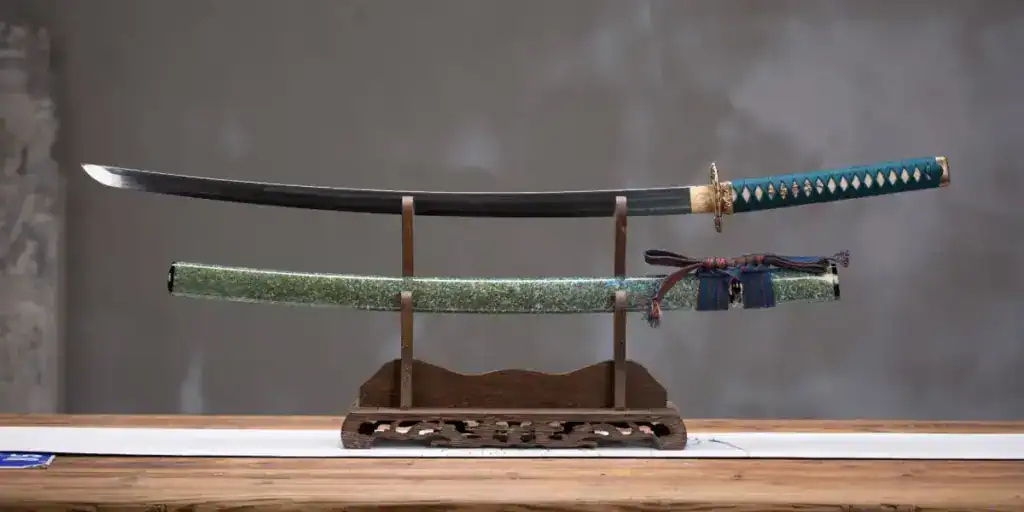
Types of Katana by Use
Katana types are also defined by intended use: display, practice, or cutting. Each category requires completely different blade construction.
One warning applies across all categories. Stainless steel blades, often labeled “440” or “Surgical,” form brittle grain structures in lengths over 12 inches. These can shatter like glass on impact. Understanding this helps explain why matching a sword to its purpose matters so much.
Be honest about your intent. Using the wrong category for your purpose creates real danger.
Display (Decorative)
Decorative katanas are designed for display rather than use. They prioritize appearance over internal strength. Ornate fittings, colorful wrappings, and polished surfaces make them ideal for wall art or cosplay where the blade stays sheathed.
Structural features include:
- Stainless steel blades that look shiny but crack under stress
- Rat-tail tangs, thin rods welded to the blade base
Never swing a decorative sword. Centrifugal force alone can detach the blade from the handle.
Practice (Iaito)
Iaito are unsharpened training swords made from lightweight zinc-aluminum alloy. The reduced weight prevents tendonitis during thousands of repetitive drawing drills called Kata.
A key feature is the Bo-Hi, a deep groove along the blade. When your edge alignment is correct, it creates a loud “whoosh” sound called Tachikaze. When alignment is off, silence. The sword teaches through audio feedback.
Cutting (Shinken)
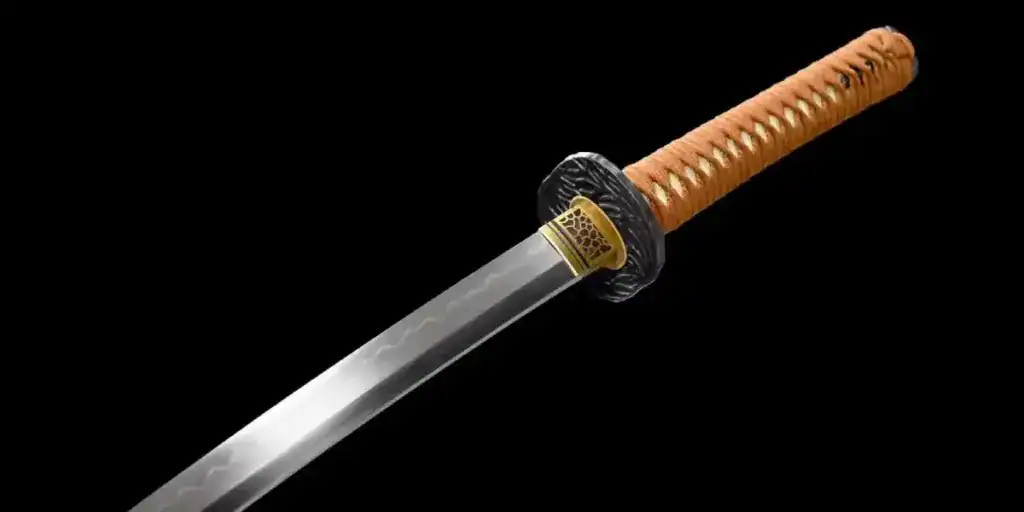
Shinken are functional live blades made from high-carbon steel with a sharp edge.
Blade geometry varies based on cutting targets:
- Thicker blades with more “Niku” handle heavy bamboo
- Thinner profiles slice through rolled grass mats
These swords require maintenance after every use. High-carbon steel rusts fast. If that commitment sounds like too much, a Shinken may not suit your lifestyle.
Not sure which category fits your needs? Our guide on how to choose a katana for practice or display compares these options in detail.
Types of Katana by Construction
Another major way to categorize katanas is by construction. Tang design, blade hardening, and assembly method all create distinct categories worth understanding.
The most critical component is hidden inside the handle. You cannot see the tang without disassembly, so learning to read specifications helps you identify what you’re actually buying.
Functional swords use Mekugi (bamboo pegs) to secure the blade. Quality cutting swords often use two pegs for redundancy.
Full Tang vs Rat Tail
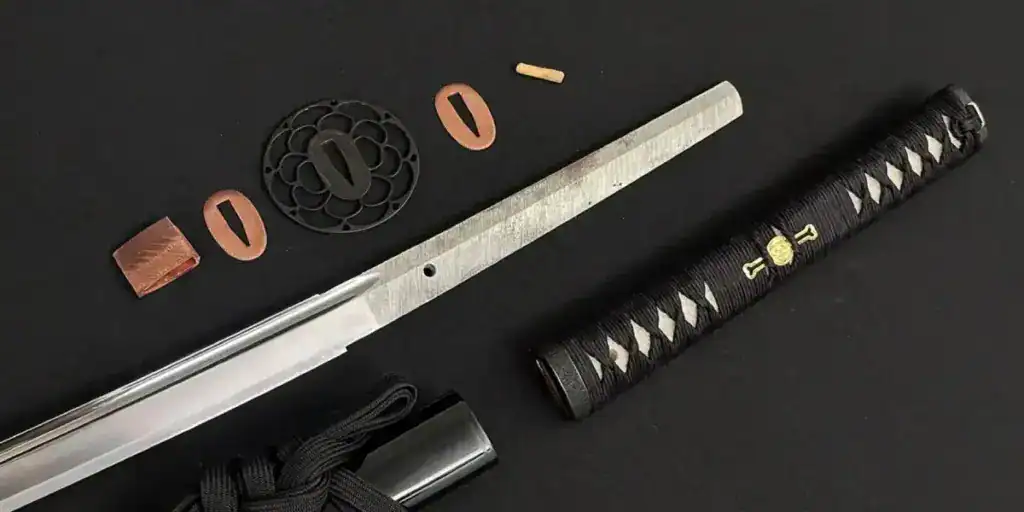
Tang construction divides katanas into two categories.
Full tang: The steel extends the entire length and width of the handle. This distributes impact shock safely into your hands. Full tang is the standard for functional swords.
Rat-tail tang: A thin rod welded to the blade base. This creates a weak point where force concentrates. Under repeated swings, rat-tail construction will eventually snap.
Surface appearance won’t reveal tang construction. Learn to identify the difference in our guide: What is a Full Tang Katana?.
Blade Hardening Method
Hardening methods create another useful distinction.
- Maru (Monosteel): One single steel throughout. This offers consistent strength with no weak points between layers. Most modern functional swords use Maru construction.
- Laminated (Kobuse/Sanmai): A hard core wrapped in softer steel. Traditional smiths favored this approach. For most buyers, solid Monosteel is stronger than a cheap laminated blade with poor bonding.
Blade Geometry and Assembly
Geometry and fit round out the construction categories.
- Shinogi-Zukuri: A ridged blade that works for nearly all purposes. Beginners should start here.
- Unokubi-Zukuri: Thinned spines for faster cuts but reduced durability.
Assembly quality matters regardless of category. The Tsuba should not rattle. The Habaki should fit snugly. Loose fittings indicate poor construction no matter what specifications the listing claims.
Types of Katana by Hamon and Heat Treatment
Heat treatment determines a sword’s personality. The same steel can behave like a rigid razor or a flexible spring depending on how it was hardened. This creates distinct categories with different strengths and weaknesses.
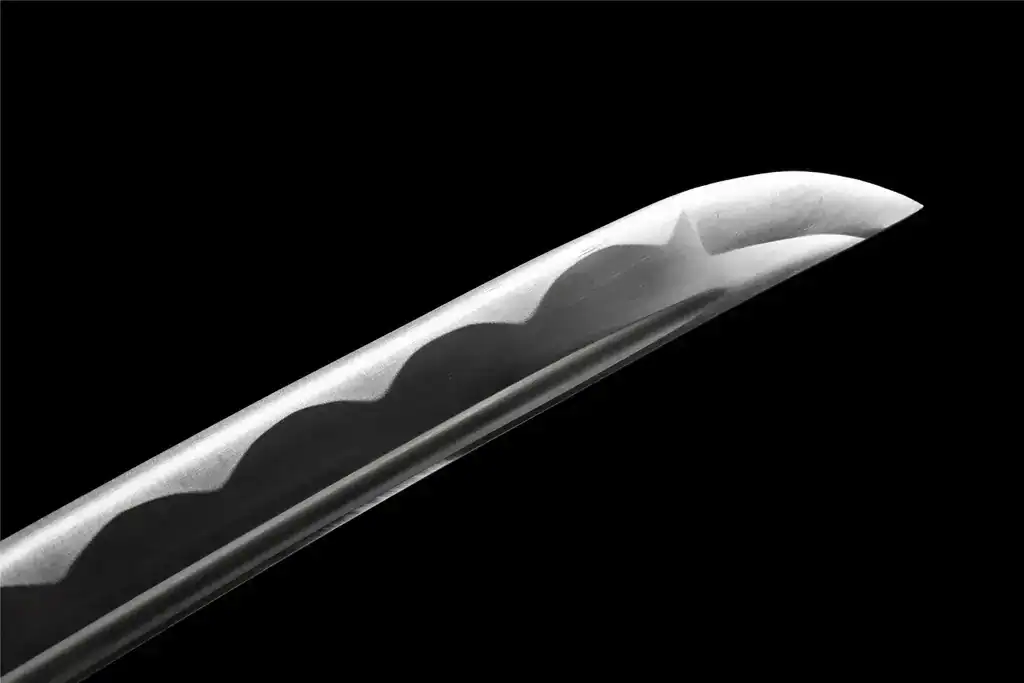
Real Hamon (Clay Tempered)
Clay tempering creates differential hardness within a single blade. During quenching, clay insulates the spine while the edge cools rapidly. The result: a razor-hard edge (Martensite) and a softer, shock-absorbing spine (Pearlite).
This structure holds a sharp edge well but has limits. Abuse it with bad technique, and the blade will bend permanently rather than spring back.
The visual payoff is the authentic wavy temper line collectors prize. Each hamon pattern is unique, like a fingerprint of the swordsmith’s technique. This visible line signals traditional craftsmanship.
Through-Hardened (No Hamon)
Through-hardened blades use uniform tempering. The entire sword reaches the same hardness level throughout. No wavy line appears because no differential hardening occurred.
The trade-off is structural resilience. These blades act like giant springs. Flex them, and they return to true. Hit a bad angle, and they forgive the mistake.
Beginners and backyard cutters benefit most from through-hardened swords. They resist chipping and permanent bends better than clay-tempered blades. Less artistry, more durability.
Damascus or Pattern-Welded Finish
Modern folded steel creates “Hada,” a wood grain pattern on the blade surface. The layered look adds visual depth and signals handcrafted work.
Here’s what many sellers won’t tell you: folding no longer improves steel quality. Ancient smiths folded to purify impure iron. Modern industrial steel arrives already pure. Today, folding is a cosmetic choice, not a performance upgrade.
Watch out for fake Damascus patterns. Cheap swords use laser etching to mimic the folded look without actual layering. Real folded steel has texture you can feel with a fingernail. Etched patterns are perfectly smooth.
Curious how that wavy temper line is actually created? Read what is a hamon on a katana? to understand the clay tempering process.
Types of Katana by Style
Once technical requirements are met (full tang, carbon steel), style becomes personal expression. This is where you choose what brings you joy, whether that means historical accuracy or fantasy flair.
Traditional
Traditional katanas focus on humble elegance and period-accurate details. Iron tsuba, natural rayskin wrapping, and standard proportions evoke the Edo period aesthetic.
This style suits martial artists practicing Iaido or Kenjutsu. History enthusiasts also gravitate here. If you value the “spirit” of the samurai over modern flash, traditional styling delivers that connection to the past.
Anime & Fantasy
Anime replicas recreate iconic weapons from series like Demon Slayer and One Piece. Vibrant colors, unconventional guard shapes, and character-specific details define this category.
One critical warning: manufacturers often produce both functional and decorative versions of the same design. The functional version uses carbon steel. The decorative version uses stainless steel that shatters under stress.
Always verify the steel composition before assuming a replica is safe to swing. The listing photos look identical either way.
Looking for the blade of your favorite character? Browse our collection of functional Anime Replica Katanas.
Modern Artistic Variations
Tactical katanas represent a new wave of functional designs. G10 handles replace traditional wood. Matte black coatings resist rust. Military-inspired aesthetics replace museum elegance.
Custom artistic interpretations also fall here: engraved blades, colored scabbards, and personalized fittings that make each sword unique.
These options suit modern backyard cutters who want katana performance without traditional looks. If you prefer rugged and militaristic over historical, this category exists for you.
Traditional Japanese Sword Types
Different types of Japanese swords are often grouped under the word “katana,” but historical variations differ in length and curvature. Understanding these types helps you choose a sword that fits your body.
Because these differences mostly come down to blade length, a quick sizing trick can help you narrow your choice. Hold a tape measure with your arm relaxed at your side. Measure from your thumb to just above the floor. That distance gives you a rough guide for your ideal blade length.
| Type | How it differs | Typical Length | Why it matters |
| Katana | Standard sword, edge-up | 70–73 cm | Fits most adults |
| Tachi | More curve, edge-down | 75+ cm | Deeper curve aesthetic |
| Wakizashi | Short companion sword | 30–60 cm | Small spaces, Daisho set |
| Tanto | Dagger-length blade | <30 cm | Compact collectible |
| Naginata | Blade on a pole | Very long | Dramatic display piece |
A Simple Way to Choose the Right Katana
Choosing the right katana follows a clear path: define your use (cutting or display), select the appropriate steel (forgiving spring steel or sharp high-carbon), and verify the construction (full tang).
A durable spring steel sword often proves more practical than a decorative Damascus piece. The best sword is the one that matches how you actually plan to use it.
With a clearer understanding of steel, construction, and purpose, you can evaluate katanas with confidence instead of relying on historical labels.
You can explore examples of these specifications in our collection of functional katana swords.


