




Iaito vs Katana: Which Sword Fits Your Actual Purpose?

Your intended use should lead the choice. A formal Iaido class, solo familiarization, a display or gift, and supervised cutting each call for a different decision.
Formal Iaido starts with the dojo’s equipment requirements and may lead to an approved iaito. Choose a display piece or gift for its stated purpose. Consider a live blade only when supervised cutting is the confirmed goal. For solo familiarization, compare the listing with the setting where you plan to use it. “Katana” does not settle any of those decisions by itself.
Iaito or katana? Choose by use
Iaito names a practice category. Katana is a broader label. A listing that says “katana” cannot tell you whether the item meets a dojo’s requirements, has a particular edge status, or fits the activity you have planned.
The route depends on the use you can name. A dojo controls formal Iaido. Solo familiarization calls for product and setting checks. Display and gifts turn on the stated use. Supervised cutting needs its own live-blade check.
Read the table from left to right. The final column tells you what to do before you compare any product.
| Your purpose | Who decides | Next step |
| Formal Iaido | Your instructor and school | Ask what is permitted now, then compare listings with those requirements. |
| Non-cutting familiarization | You, plus venue and instruction context | Check the listing and the setting separately before you practice. |
| Display or gifting | You and the recipient’s intended use | Choose for the stated display or gift use. Treat a later activity as a separate decision. |
| Later supervised cutting | Instructor, lawful setting, and product information | Start a new check for the cutting activity and the item under consideration. |
Joining an Iaido dojo? Let the instructor decide
Talk with the dojo before you browse product pages. Your instructor and school decide when you need equipment and which details they will inspect. Their answer gives you the standard a listing has to meet.
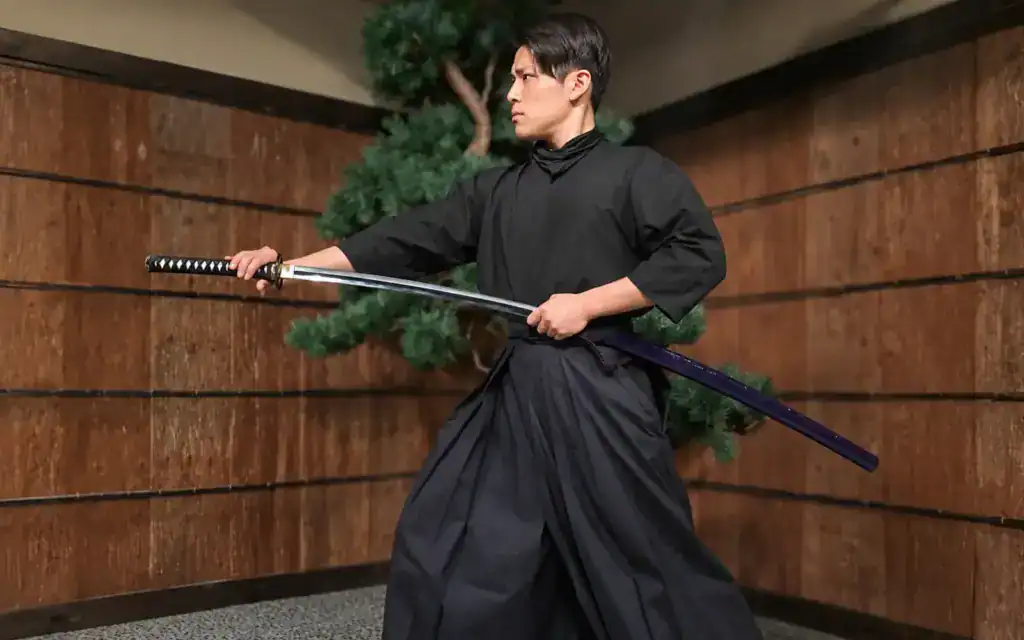
Before your first class
Ask the dojo what it expects from a new student before you purchase an iaito or another sword. It may direct you toward loaner equipment, bokuto, or a delayed purchase. Follow that path even when an online category seems to fit.
Ask what you should bring now, what you can borrow, and which purchase can wait. That gives you a useful answer for the first class instead of a product page to interpret on your own.
Also ask whether you need equipment now and which details the school will inspect. Write those answers down. They tell you whether it is time to shop and, if it is, what you need to verify.
Use the school’s own wording in those notes. It will make later questions easier when a product page uses labels that do not clearly answer the requirement your instructor named.
When an iaito is approved
Once the instructor approves an iaito, write down the required length, handle dimensions, weight, material, fittings, and inspection rules. Those requirements belong to the school. Another student’s equipment or a familiar product name does not fill in a missing detail.
Compare each listing with that written list. Ask the instructor about any required detail the page leaves out or describes differently.
Mark each requirement as stated, absent, or different as you read. A listing can look right at first and still leave a required point open. Resolve that gap before you decide to buy.
Keep the list beside the product page while you compare. Look for a match on each required point, not a general resemblance to equipment that appears suitable.
With that checklist in hand, you can open the Iaito collection and compare listings against it.
For non-cutting practice, check more than edge status
Read the listing’s stated edge status and intended use first. Then compare construction, dimensions, weight, and balance with the familiarization you plan to do. Check the setting as well. A venue or instructor may set rules that are more specific than the product page.
Keep solo familiarization separate from formal Iaido, contact drills, and sparring. A blunt metal sword does not automatically qualify for impact or partner work, so those activities need their own answer.
Look at length and balance after the stated use fits your setting. They help you compare suitable listings; they cannot turn an unclear use into a suitable one.
Ask the seller or the instructor who controls the setting when a listing leaves intended use open. Dimensions and balance cannot fill that gap.
Read the product page as the record for the item in front of you. Put its stated intended use next to the conditions of your practice space. That makes the next unanswered question easier to identify.
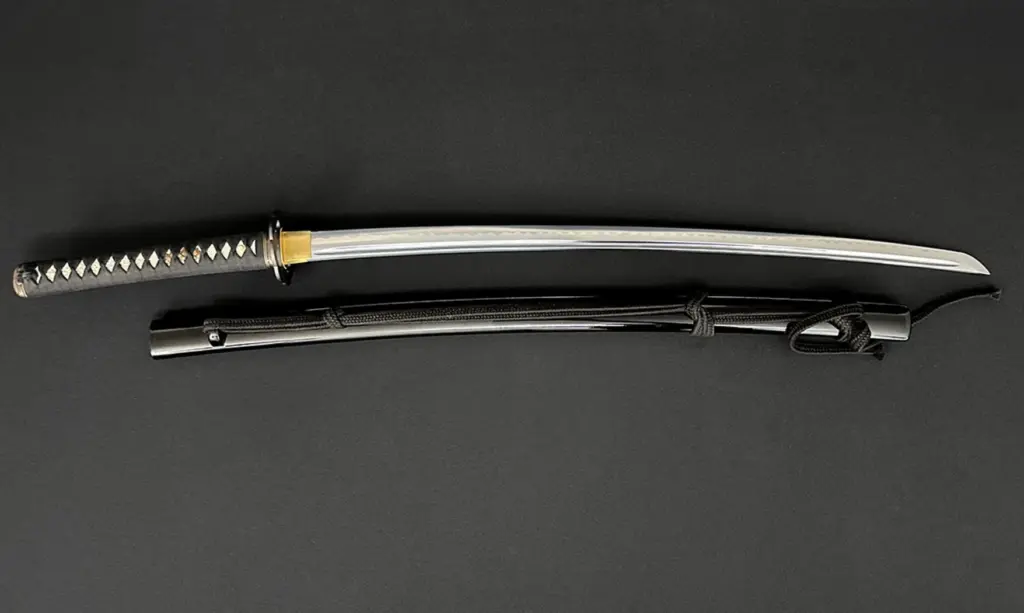
Buying for display or a gift? Choose for that use
Identify the role the item will have: a shelf piece, a costume, an anime-inspired gift, or a recipient who has not chosen a use yet. Appearance, edge status, construction, and Iaido suitability are separate checks. Choose for the use you know, then verify the details that affect it.
The guide to choosing a katana for practice or display helps with that first choice. The listing still needs to state the edge status and construction that fit the purpose you have chosen.
Buy for the role you can confirm today. A display piece or gift does not have to answer a future training or cutting question. A different purpose later calls for a new comparison.
Keep the order information with a gift when the recipient has not chosen a future use. The stated edge status and construction give them the details to revisit if their plans change.
Choosing a live blade for supervised cutting
Reserve “functional live-blade katana” and “shinken/live blade” for a confirmed supervised cutting use. Before you compare products, verify the activity, appropriate instruction, lawful setting, and product-specific information. A cutting decision begins there, even when you already own or have considered an iaito or display piece.
Put the cutting activity first. What Is Tameshigiri? provides that context. After you confirm the conditions that apply to you, use the Katana collection to compare individual listings against them.
Keep the current product page open while you compare. The answer must come from the information for that item and the conditions you have confirmed for the activity.
Confirm the details before ordering
Before you order, put the controlling requirement at the top of your notes: your dojo’s instructions for formal Iaido, or the stated purpose for another path. Use that requirement as the standard for every listing you open.
Check each candidate against the details that affect that purpose: edge status, intended use, dimensions, weight, balance, construction claims, and included fittings. Read the current product page and supplied information, then ask the seller about any required point that remains unclear.
Finish by confirming the conditions around the order: local rules, shipping, returns, and current stock. Legal, age, transport, import, price, and availability questions are location- or product-specific. Keep current seller terms and local rules with your order record.
Iaito vs katana questions buyers still ask
Is every katana sharp?
No. “Katana” alone does not state the edge status. Read the current product description and supplied information, then ask the seller when that answer is missing.
Do I need an iaito before my first Iaido class?
Not as a universal rule. Ask the dojo first. Your instructor may direct you toward loaner equipment, bokuto, or a delayed purchase, and another school’s approach does not decide yours.
Can an aluminum-alloy iaito be sharpened later?
The answer depends on that particular iaito. Check the listing, supplied information, and your instructor’s requirements before treating later sharpening as an option.
Can an iaito be used for cutting or contact practice?
The iaito label does not answer that question. Check the product’s intended use and the instruction context. Ask before moving into either activity when those two checks do not give the same answer.
Make the choice with confirmed details
Name the activity, then identify the person or setting that controls it. Compare the listing against those requirements and keep the instructor’s or seller’s answers with the listing. When your purpose changes later, use those confirmed details as the starting point for the next comparison.


