




Wakizashi vs Katana: Which One Should You Buy?

You’ve looked at photos, watched videos, and now you’re stuck between a katana and a wakizashi. This isn’t about which one looks cooler — it’s about which type actually fits your space, your comfort level, and how you plan to use it at home.
If you’re deciding between the two, start with real-world use instead of appearance. By the end of this comparison, you’ll know which one fits your space, handling preference, and budget.
30-Second Answer: Katana or Wakizashi
- Choose a katana if you have open wall space and want a two-hand centerpiece that feels substantial.
- Choose a wakizashi if your space is tight or you want something easier to handle and place around the house.
Most first-time buyers overthink this. The real question is simple: how much room do you have, and how often will you pick it up?
What Each Sword Is
A katana is a longer sword, often around 40 inches overall (exact length varies by model), designed for a two-hand grip. It’s the one most people picture first. A wakizashi is shorter, commonly 24 to 30 inches overall (varies by model), and often feels more natural to handle one-handed in tighter spaces.
Think of them as two buying categories. The katana is the bigger statement piece that needs dedicated space. The wakizashi is the compact option that fits on a shelf, a desk, or a shorter wall section without rearranging your room.
At-a-Glance Comparison
| Decision Factor | Katana | Wakizashi |
| Best For | Wall display, two-hand feel, open space | Shelf/desk display, easier handling, small rooms |
| Handling Feel | Usually used with two hands; needs more swing room | Often feels easier one-handed; more manageable in tight spaces |
| Space Needed | Needs a clear wall or open area | Fits shelves, desks, and tighter spaces |
| Typical Fit at Home | Needs a clear wall span or dedicated stand space | Fits shorter wall sections, shelves, and desks |
| Beginner Friendly | Can feel long and harder to control at first | Easier to start with; less awkward indoors |
| Daily Placement | Harder to store without planning | Easy to place and move |
| Display Impact | Strong centerpiece presence | Subtle, compact display look |
| Typical Entry Cost | Higher due to size and build | Lower, easier first purchase |
| Ownership Effort | Needs more careful storage and planning | Simpler to live with day to day |
Start Here: What You Want the Sword For
Before comparing specs, ask yourself one question: where will this sword live, and how often will you handle it? Your answer matters more than which one looks cooler online. A sword that doesn’t fit your space or your routine ends up in a closet.
Display in a Small Space vs Wall Display
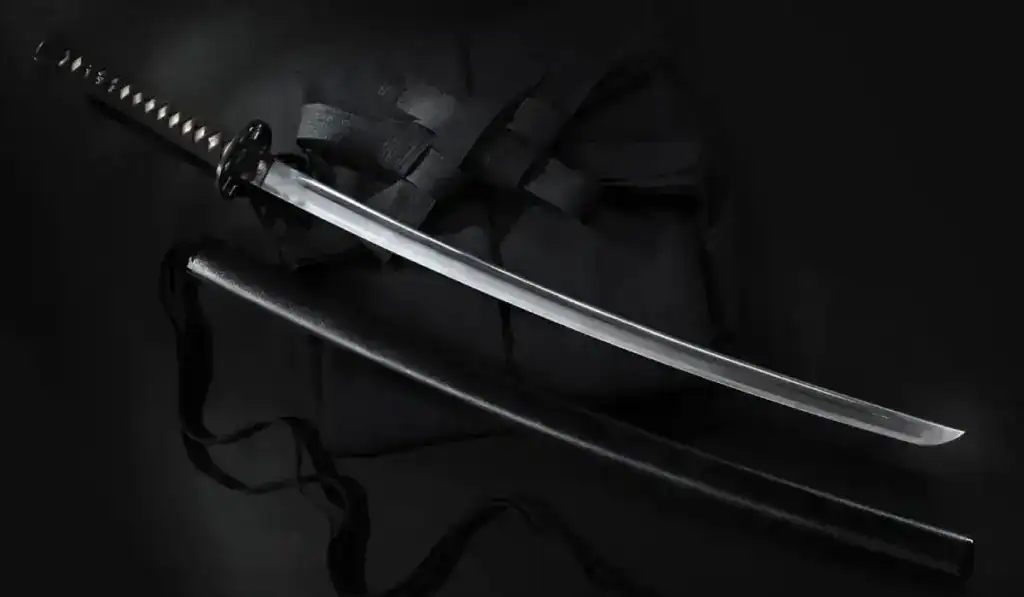
If your display spot is a shelf or a desktop, a katana can become awkward quickly in small spaces. It overhangs edges, leans awkwardly, and you’ll keep repositioning it. A wakizashi sits cleanly on a short shelf or a desk stand without sticking out. If you have a clear wall and want visual impact, a katana fills that space with presence. The length gives it a natural horizontal sweep that anchors the room.
One-Hand Handling vs Two-Hand Grip
Pick up a broom handle with two hands and swing it gently in your living room. That’s roughly how a katana feels in a tight space. Now hold it with one hand closer to the middle. That’s closer to a wakizashi. If you mostly want to hold it, turn it in your hands, and appreciate the details, the shorter option feels more natural indoors. The two-hand grip of a katana feels best when you have room to extend your arms.
First Sword Purchase vs Adding to a Collection
If this is your first sword, prioritize easy. You don’t know your preferences yet for steel type, handle wrapping, or blade profile. A wakizashi lets you learn what you like without a big commitment. If you already own a sword and want to fill a gap, think about what’s missing. A katana adds a main centerpiece. A wakizashi adds a companion piece with a different feel.
Indoor or Close Quarters vs Open Space Handling
In an apartment or a bedroom, a katana’s length works against you. Drawing it, turning with it, or even moving it between rooms means watching for door frames and furniture corners. If you have a garage, a yard, or an open den, the longer reach feels natural and satisfying. Match the sword to the space you actually have, not the space you wish you had.
How Size Changes the Way You Use the Sword
Length isn’t just a number on a spec sheet. It changes how the sword feels in your first 10 minutes of handling, how safely you can move with it, and where you can realistically keep it.
Control and Comfort for Beginners
A shorter blade feels steadier right away. You can hold it at arm’s length without the tip dipping or the weight pulling forward. A katana’s extra length shifts the balance point further from your hands, which can feel front-heavy if you’re not used to it. Neither is “hard” to hold, but one feels more natural from the start. That early confidence matters because it keeps you engaged instead of cautious.
Practice, Swing Space, and Safety
Ceiling height, hanging lights, furniture edges, and doorway widths all limit what you can do with a longer sword indoors. Before buying a katana for practice, measure the space where you’d swing it. You need clearance above, in front, and to both sides. A wakizashi needs less room, which means fewer things to bump into and less hesitation when you handle it.
Storage and Daily Placement at Home
Think about where the sword goes when you’re not using it. A katana needs a wall mount, a floor stand, or a flat surface long enough to hold it without overhang. A wakizashi can fit on a bookshelf, a small stand, or shorter storage spaces. Pick based on your actual storage plan, not the plan you’ll get around to someday.
Matching the Sword to Your Body and Strength
A sword that looks right but feels wrong in your hand quickly becomes something you use less than you expected. Comfort matters more than appearance when you’re the one holding it.
Height and Reach
For shorter users, a full-length katana can feel like you’re constantly adjusting your stance to keep it off the ground. The sword should feel like an extension of your arm, not something you’re wrestling with. A wakizashi naturally fits a wider range of body types without that adjustment.
Hand Size and Grip Preference
Katana handles are long enough for two hands, which feels secure for larger hands. Wakizashi handles are shorter and sometimes thinner. If the grip feels too thick or too thin, it becomes a small annoyance every time you pick it up. Hold one if you can, or check handle circumference measurements before ordering. The goal is a secure grip without squeezing hard.
Fatigue During Handling
If your arm gets tired after 30 seconds of holding a sword at display height, you’ll stop picking it up. A lighter, shorter wakizashi reduces that fatigue. A katana’s weight and length compound quickly, especially one-handed. If you want something you’ll reach for often, factor in how it feels after a minute, not just the first second.
What Feels Easier to Own Day to Day
The excitement of buying fades after a week. What’s left is the daily reality of living with the sword. The easier it fits your routine, the longer you’ll enjoy it.
Moving, Mounting, and Storing
If wall mounting feels complicated or you rent and can’t drill holes, a katana often ends up leaning in a corner. That’s not great for the blade or the look. A wakizashi sits on a tabletop stand or a shelf without any installation. If “easy to place without rearranging your home” matters to you, the shorter option wins.
Taking It Down and Handling It Frequently
If you want to pick up your sword regularly to appreciate the blade, the fittings, or just the feel, choose the one that’s simple to grab and put back. Taking a katana off a wall mount and re-mounting it every time adds friction. A wakizashi on a desk stand comes off and goes back in seconds.
Care and Maintenance Reality (Rust, Oil, Storage)
Both swords need the same basic care: occasional oiling, dry storage, and careful handling to prevent scratches. The difference is that a longer blade is more surface area to maintain and more awkward to wipe down evenly. If you’re the type who’ll keep up with maintenance, either works. If you’re honest about being a little lazy, a shorter blade is less work.
If You Care About Tradition and Display Pairing
Tradition doesn’t need to be a history lesson. It just changes one buying decision: do you want one sword or a matched set?
Daishō Pairing and Why It Changes What You Buy
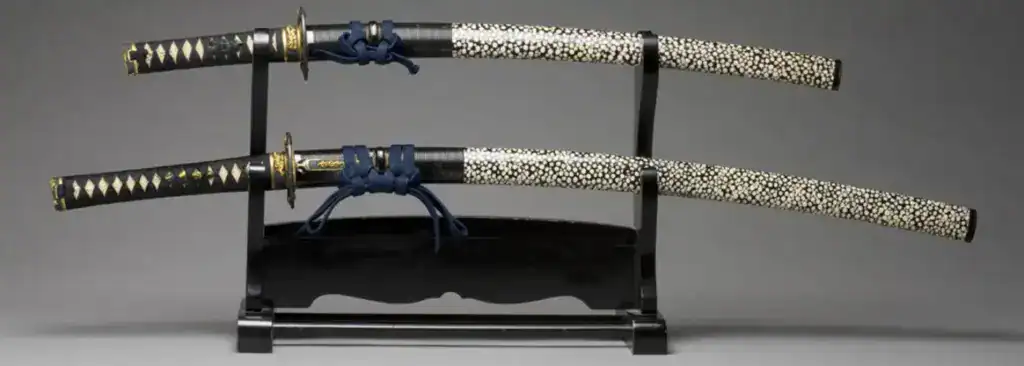
The daishō is a traditional paired set of a katana and a wakizashi displayed together. If that’s the look you want, plan your purchases as a pair. Start with whichever you’ll use and enjoy right away, then add the second piece later in a matching style. Buying randomly and hoping they look good together rarely works.
Indoor Carry Rule (Katana Set Aside; Wakizashi Stays)
Here’s a simple way to think about it: historically, the katana was left at the door while the wakizashi stayed with you indoors. That same logic applies today. The longer sword belongs in your open space or on your wall. The shorter one fits more naturally into everyday indoor spaces. It’s a practical mental model for deciding which fits your daily space.
Budget, Value, and Entry Cost
Price should follow purpose. Spending more doesn’t mean buying better if the sword doesn’t match how you’ll actually use it.
Why Wakizashi Is Often the Easier First Buy
A wakizashi costs less, takes up less space, and teaches you what you value in a sword before you spend more. It’s a lower-risk way to learn whether you prefer a certain steel type, handle style, or blade finish. You can always upgrade or add a katana later with more confidence in what you want.

When Katana Feels Worth the Extra Size and Cost
If you know you want a wall centerpiece and have the space ready, a katana delivers a presence that a shorter sword can’t match. The extra cost reflects more material and more build complexity. If you have a clear use case and the room for it, the investment feels justified from day one.
Display-Only vs Functional (What Changes the Price)
Decide before you shop: do you want something to handle and practice with, or mostly to display? Display swords can look great at a lower price because edge quality and steel hardness matter less. Functional swords cost more because the blade needs to hold up to real use. If you only plan to display it, you may be paying for performance you won’t use. Buying a display sword to practice with risks damage. Pick the purpose first.
Who Should Choose a Katana
You should choose a katana if you have a clear wall or open room for display, you want a sword that feels substantial in two hands, and you’re ready to plan where it lives in your home. A katana works best when it has dedicated space and you’re prepared for the extra size. If those boxes check out, you’ll enjoy the centerpiece presence and the classic long-sword feel.
Who Should Choose a Wakizashi
You should choose a wakizashi if your space is limited, you want to handle the sword often without hassle, or this is your first purchase and you’d rather start simple. A wakizashi is not a “lesser” sword. It’s the practical choice when easy placement, one-hand comfort, and low ownership friction matter most. If you want something you can live with easily from day one, this is your pick.
If You Still Can’t Decide
The most common trap is searching for the “best sword” instead of the “best sword for your home.” Both are good purchases. The wrong one is the one that doesn’t fit your space or your habits.
Start Smaller vs Start Traditional
If you want the easiest ownership experience with the least friction, start with a wakizashi. You’ll learn what you like and have something enjoyable from the first day. If you want the classic long-sword experience and your space supports it, start with a katana. Neither path is wrong. One is just lower risk.
When Owning Both Makes Sense
If you want both the compact handling of a wakizashi and the wall presence of a katana, plan to own both over time. Buy the one that fits your current space first, then add the second when you’re ready. A matched daishō set looks intentional on display and gives you the best of both options.
Choose Your Type and Continue Your Selection
You’ve picked a direction. Now narrow it down by size, purpose, or style. The next step is quick.
You Decided on Katana
You want the longer centerpiece with a two-hand feel. See current katana options and compare sizes at a glance.
You Decided on Wakizashi
You want easier placement and close-quarters handling. Browse wakizashi options that fit shelves, desks, and tighter rooms.
Choose the Right Length for Your Height
If you picked a katana but aren’t sure about the size, get it right before ordering. Use the height-based length guide to avoid buying the wrong size.
Choose Based on Practice or Display
If you’re still torn between something to handle and something to show off, settle that question next. Sort your choice by practice vs display so you don’t buy the wrong version.


