



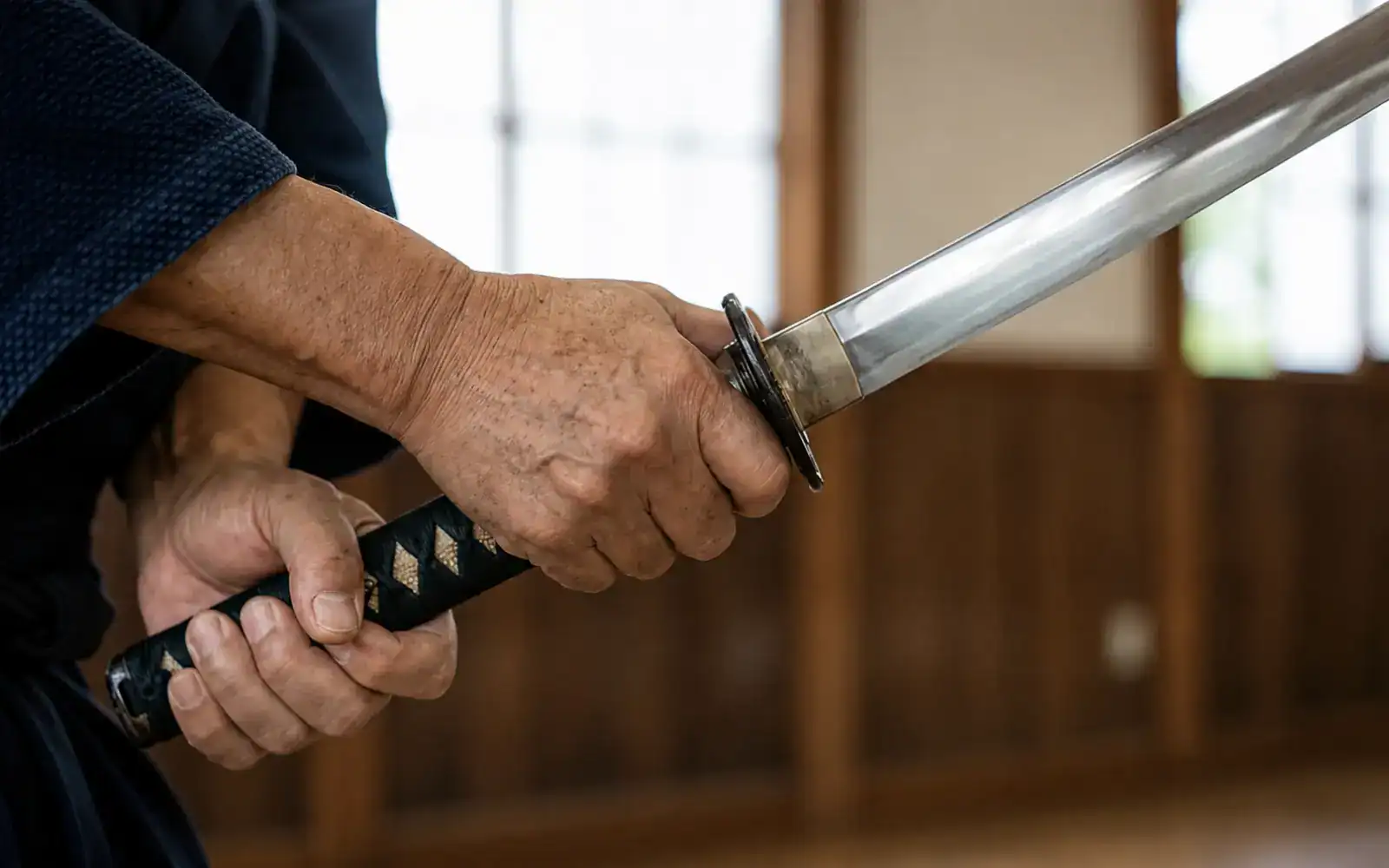
How to Polish a Katana Without Damaging the Blade

Most people land here holding a blade that looks dull, hazy, or scratched, with a very reasonable fear of making it worse. That fear is usually right. What happens next comes down to what you own and whether you figure out the problem before grabbing an abrasive.
Polish, Sharpen, and Clean Are Not the Same Thing
These words get mixed up all the time, and that’s where most blade damage comes from. Separate them before you touch anything.
- Cleaning: removing fingerprints, old oil, or light surface film without removing steel. This solves most cases. Start with a microfiber cloth and blade-safe oil before anything else. See how to care for a katana for the full routine.
- Light polishing: reducing minor haze or shallow scratches on a modern production blade with hand-applied finishing media. Removes a small amount of steel. Only worth trying if cleaning didn’t fix it, and only on the right blade.
- Sharpening: restoring the cutting edge and geometry. Polishing the blade face will not fix a dull edge. If the problem is cutting performance, use how to sharpen a katana.
- Rust removal: treating corrosion. Light orange specks on smooth steel can often be cleaned at home. Dark rust, pitting, or rough texture needs a professional, don’t reach for sandpaper or metal polish.
- Traditional polishing: geometry restoration and finish work done by a trained togishi. This is art preservation, not a DIY shortcut.
What Kind of Blade Do You Own?
Blade type matters more than any abrasive you could use. If you are unsure what you own and do not already know how to remove the tsuka safely, do not disassemble the sword just to inspect the tang. Photograph the blade and fittings instead, then ask a specialist.
If you see characters, file marks, old rust color, or inscriptions on the tang, do not clean or polish anything.
| Blade type | DIY safe? | What to do |
| Modern production carbon steel (1060, 1095, T10, 9260) | Maybe | Clean first; light polish only if cleaning is not enough |
| Antique or signed nihonto | No | Stop; contact a specialist |
| Inherited or unknown-value blade | No | Photograph everything; do not polish |
| Blackened, blued, coated, painted, etched | Usually no | Clean only; abrasives strip the finish |
| Damascus-style or patterned finish | Usually no | Preserve factory finish; ask the seller |
| Decorative stainless wall hanger | No | Clean for display; do not treat as a cutter |
Plain modern blades in steels like 1060 or 9260 are usually easier to maintain yourself than high-value or coated blades. What really matters is heat treatment, finish, geometry, and condition, not steel alone. If your blade is decorative, coated, or not worth repairing, don’t try to polish it into a functional sword.
Is It Dirt, Damage, or Just Dull?
Inspect the blade under strong light before you decide what to do. Don’t just look at it head-on. Tilt the blade so the light runs across the surface at a low angle, then turn it slowly. Haze, scratches, and residue each catch the light differently.
A lot of owners mistake old oil film or shipping residue for scratches that need polishing.
| What you see | What it means | What to do |
| Cloudy film, fingerprints, old oil | Surface residue | Clean with microfiber and blade oil |
| Light scratches on modern blade | Cosmetic wear | Light polish only if cleaning fails |
| Dull edge, flat spots, poor cutting | Needs sharpening | Sharpen, don’t polish |
| Fresh orange specks, smooth surface | Early rust | Clean with oil, then reassess |
| Dark rust, pitting, rough texture | Corrosion damage | Stop; get professional evaluation |
| Chips, bends, cracks, loose fittings | Structural damage | Stop using the blade |
Rust that feels rough is not a polishing job. If rust has created pits, polishing removes steel but can’t put it back. If orange specks remain after gentle cleaning, don’t jump to sandpaper or metal polish. If rust is near the edge, kissaki, or hamon, stop. If the sword may be old or valuable, don’t try to fix rust yourself.

Light Polishing, Step by Step
This applies only to modern production carbon-steel blades. The goal is reducing light haze or shallow scratches, not creating a mirror finish or changing the blade’s shape. Do not let abrasives touch the kissaki, yokote, shinogi ridge, cutting edge, habaki area, tang, or any signature or engraving. Before you start, check inside the saya (scabbard) with a flashlight. Old grit, dust, or rust flakes trapped inside will re-scratch a freshly cleaned blade the moment you resheathe it.
Workspace and First Pass
Use a stable surface with strong lighting. Have clean cloths, your media, and blade-safe oil within reach. Keep the edge pointing away from you. Start with a dry microfiber cloth and light lengthwise pressure. If the haze wipes away, stop. The job is done. Most marks from handling just need a wipe and a little oil.
The Steps
- Clean with cloth and blade-safe oil. Dry completely.
- Inspect under strong light to confirm the problem is haze or shallow scratches, not rust, pitting, or coating damage.
- If abrasive work is still needed, use only a hand-applied finishing-grade pad or mild polishing compound made for fine metal work. For most modern production blades, this typically means staying in the 1500 to 2000 grit range for surface haze on blade flats. Do not choose a grit because it removes scratches faster. If the mark catches a fingernail, sits near the edge or kissaki, or changes the hamon area, stop instead of escalating.
- Work lengthwise with light pressure. Stop every few passes to inspect.
- Clean, dry, and apply a thin protective oil layer immediately after finishing.
Know When to Stop
Aim for cleaner, smoother, and more even, not flawless. A tiny scratch left alone is safer than over-polishing. Once the haze is gone and the surface looks even under normal light, stop. A blade that needs to look like a mirror needs a togishi, not a polishing kit from your workbench.
What Polishing Can Damage
Polishing changes more than shine. A real hamon comes from how the steel was hardened, not from paint. But polishing changes how visible it looks because the hamon depends on how light hits the surface. A change in finish can make even a real hamon look weaker or cloudier.
Cosmetic, acid-etched, or wire-brushed hamon effects can disappear entirely. Read about what a hamon is and real vs. fake hamon before touching a blade you care about.
Over-polishing also softens the shinogi ridge, rounds the kissaki, and changes how the edge feels. A shinier blade can be a worse blade if the shape is gone. If terms like shinogi, kissaki, or yokote are unfamiliar, look them up before you touch abrasives.
How much value is at stake depends on the blade. A modern practice piece and a signed antique are not in the same category. DIY mistakes can hurt resale value on any blade. The stakes are highest for collectible swords. An uncertain-value blade needs a specialist to look at it first. What looks tired to an untrained eye can be a documented piece with provenance.
Tools Worth Using and Tools That Ruin Blades
Match the tool to the actual problem, not to a vague idea of making the blade shinier.
- For cleaning (haze, fingerprints, old oil): microfiber cloth and blade-safe oil. These two items solve more cases than everything else on this page combined. Skip the uchiko powder if it came in a kit. It’s abrasive, not a cleaner, and overuse will dull the surface over time.
- For light polishing (modern production blades only): hand-applied finishing pads or mild compound in the 1500 to 2000 grit range, applied lengthwise with light pressure. Whether this works depends on the existing finish, steel type, and whether a hamon is present. If unsure, don’t use it.
- Never use: bench grinders, belt sanders, rotary tools, buffing wheels, acids, coarse abrasives, harsh metal polishes, kitchen sponges, steel wool (leaves ferrous particles that cause new rust), WD-40 (not a long-term blade protectant; use proper blade oil instead), or household cleaners. The danger is speed and heat. A buffing wheel can overheat a kissaki in seconds. A coarse sanding belt can erase a yokote before you feel it happening.
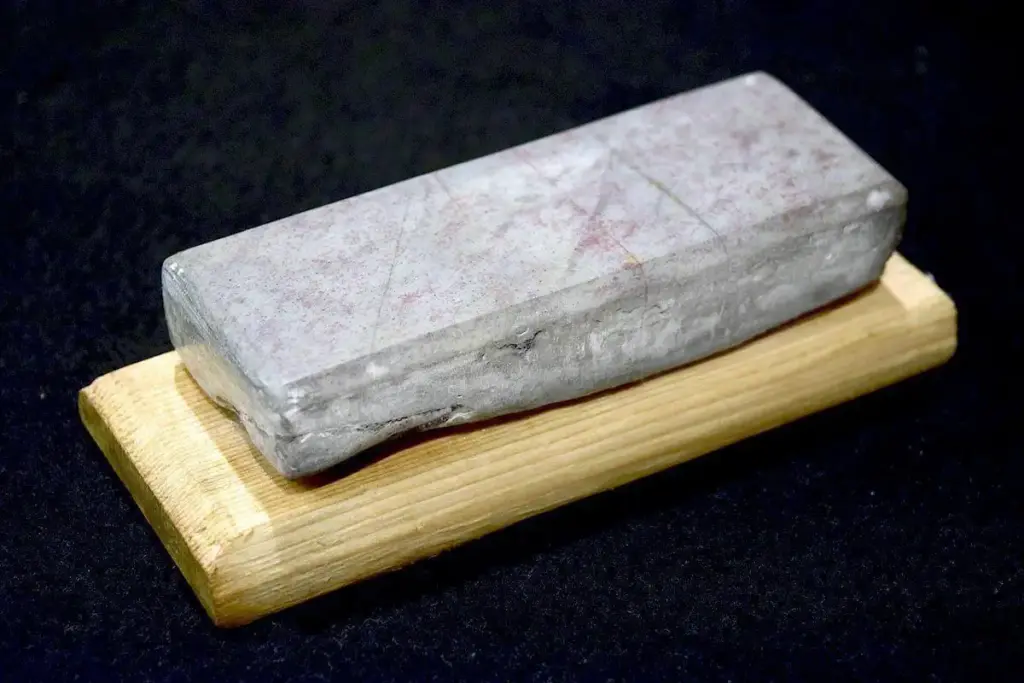
- Specialist-only: geometry-correction stones, hamon-finishing materials, and rust-removal abrasives. These are not finer versions of DIY tools. They’re part of a trained craft. People make an expensive mistake thinking these are just the next step up.
When to Stop and Call a Professional
Stopping is not failure. It is what separates a blade that can be saved from one that cannot. Deep pitting, active rust, chips, bends, cracks, loose fittings, uncertain origin, signatures, appraisal papers, inherited swords, and high-value customs are all stop signs. Never polish, clean, sand, or de-rust the tang. Do not force disassembly if fittings are tight or unfamiliar.
If you already went too far with the wrong grit, too much pressure, or the hamon looks faded, stop. Photograph the damage and get a professional opinion. Most mistakes can be corrected if you don’t keep going.
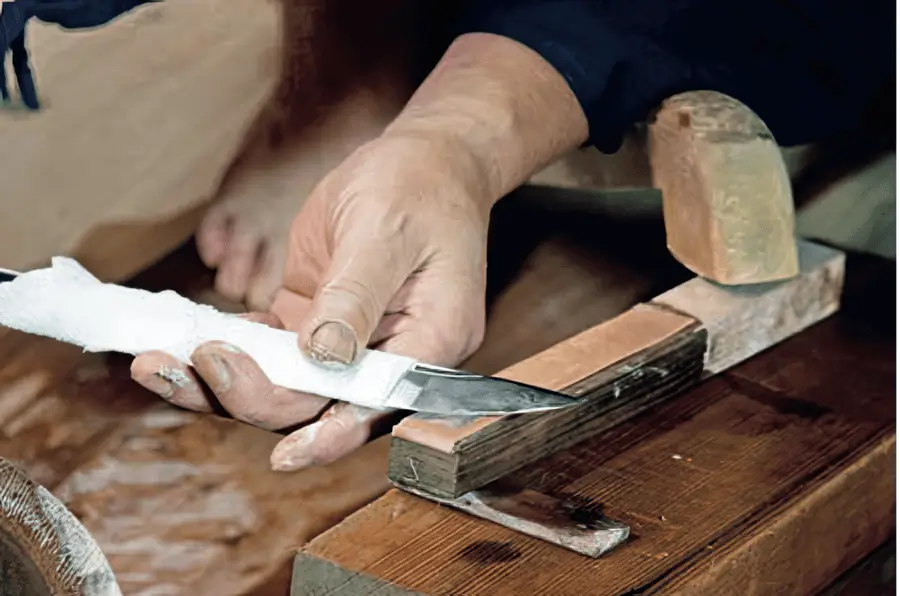
A togishi polish keeps the shape, reveals the steel’s character, and brings out the hamon. It’s not about making steel shiny. Foundation polish sets the shape and lines; finish polish brings out what’s in the steel through finer stones. Professional work is worth considering when the blade has papers, signature, provenance, or collector interest. For most modern blades, traditional restoration isn’t needed and doesn’t make financial sense.
When Replacement Makes More Sense Than Polishing
If a blade needs major repair, professional work can cost more than the sword is worth. A decorative stainless wall hanger cannot be polished into a functional cutter, it was never built for that. Learning what separates display pieces from functional swords is the step most buyers skip. How to buy your first katana covers that distinction.
If you are weighing whether to repair or start fresh, blade steel, geometry, and finish are easier to buy right than to fix later. For a forgiving entry point, compare simpler production steels such as 1060 carbon steel or 9260 spring steel.
If hamon presence, hardness, and edge performance matter more, compare steels before choosing. If finish and fittings are the main concern, a custom katana may be a better path than altering a finished blade later.
The Short Version
Polish if: you own a modern production carbon-steel blade, the problem is light haze or shallow scratches, and cleaning with a cloth and oil didn’t fix it.
Don’t polish if: the blade is antique, signed, inherited, papered, coated, etched, patterned, rust-damaged, structurally damaged, or of uncertain value. Also don’t polish if the real problem is a dull edge. That’s sharpening, not polishing.
FAQ
Is polishing the same as sharpening?
No. Polishing works on surface appearance. Sharpening restores the cutting edge and cutting geometry. If the blade cuts poorly, sharpening is the right next step, not polishing.
Will polishing ruin the hamon?
A real hamon is structural, but polishing changes how visible it looks by altering surface light reflection. Cosmetic or acid-etched hamon effects can fade or disappear entirely. Only go ahead if you’re OK with that risk.
Can a bad polish destroy resale value?
Yes. Amateur work can round crisp lines, soften geometry, and reduce value. Risk is highest for antiques, signed blades, papered swords, and collector-grade pieces where originality and condition are everything.
What grit should I use?
For modern production blades only: a hand-applied finishing pad or compound in the 1500 to 2000 grit range is a reasonable starting point for light haze on blade flats. Coarser than 1000 grit is not safe for home use. If the mark needs coarser media, stop and get a professional opinion.
Can I polish an inherited katana myself?
No. If the sword is inherited, signed, old, papered, or of uncertain value, do not polish it. Photograph the blade, tang, and fittings, then ask a specialist before using oil, abrasives, or rust-removal products.
Where to Go From Here
Most katana that look like they need polishing just need a clean cloth and some oil. If yours actually needs more than that, the steps above will get you there, and the stop signs throughout this guide will keep you from going too far.
If the blade isn’t worth the work, or the work is beyond what’s safe to do yourself, the guides linked throughout this article point you to a blade that matches what you wanted in the first place.


