

Is a Katana One-Handed or Two-Handed?

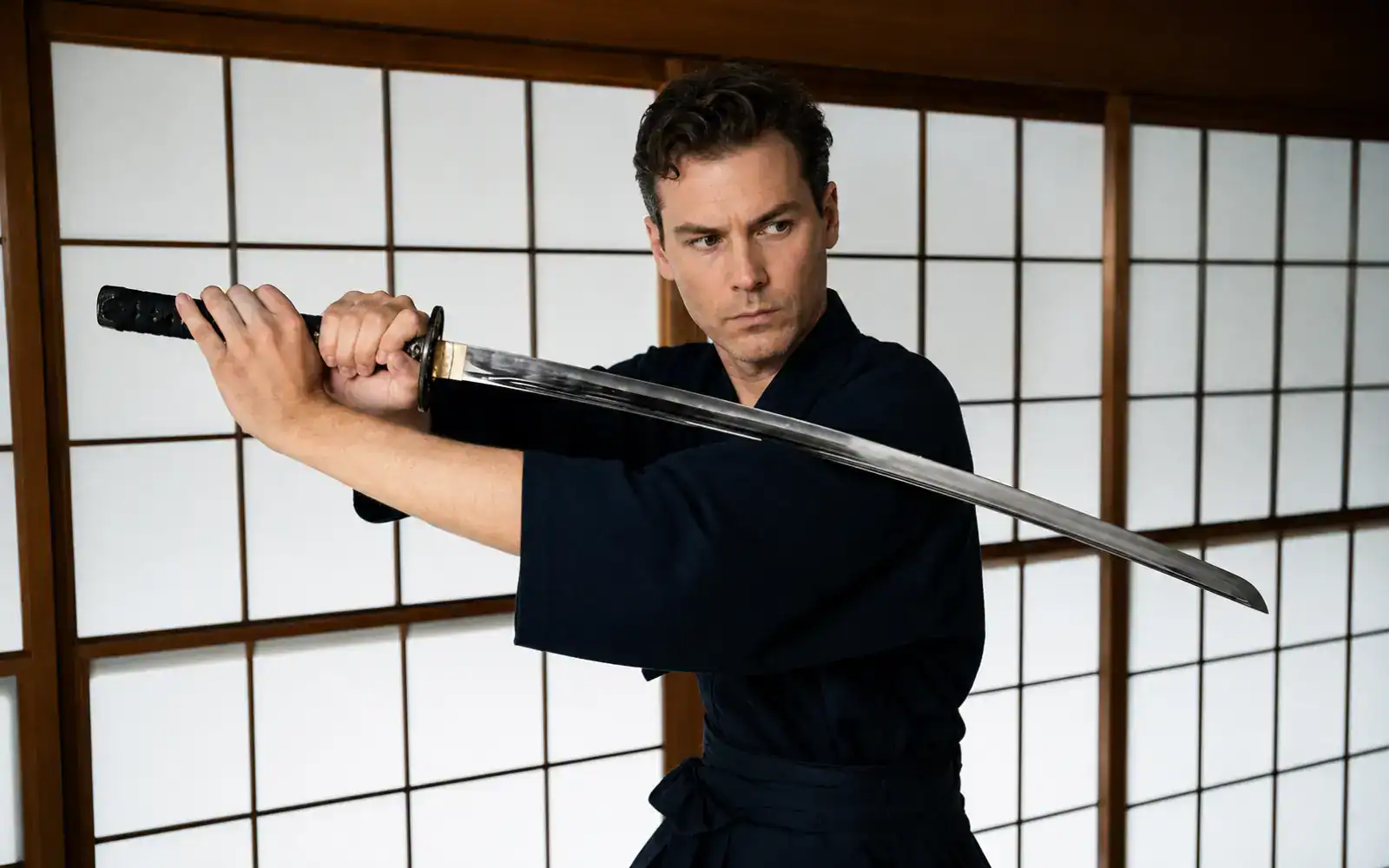
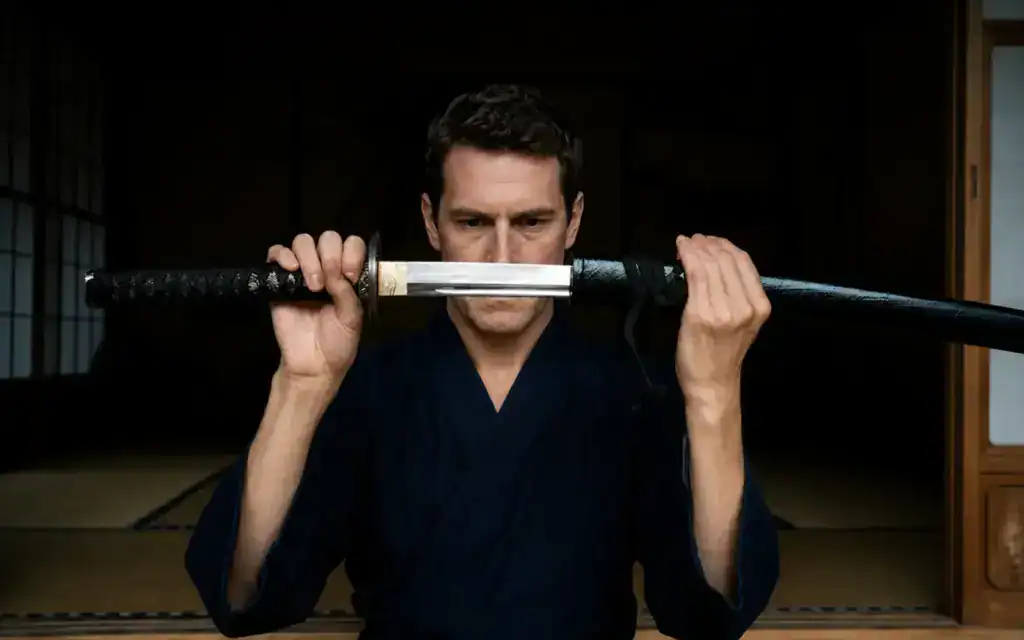
Most standard katanas use a two-hand grip. The one-handed katana you see in a game, anime clip, or movie scene is often a style choice, a special technique, or a fantasy blade.
Before you buy one, think past the pose. Will the sword hang on a wall, go to a dojo, appear in cosplay photos, or need sharp-blade maintenance? Buyers who want easy one-hand handling should look at wakizashi early.
Most katanas are two-handed
Treat a standard katana as a two-handed sword unless the maker, blade specs, or your instructor points to a shorter one-hand design. That rule helps first-time buyers avoid the wrong sword.
A full-length katana gives you room for both hands on the tsuka, or handle. Basic training often starts there. One-hand use exists. It should not drive most katana purchases.
Nodachi, odachi, and step-by-step grip mechanics are separate topics.
Why two hands control better
Two hands help you steer the edge and recover after movement. The rear hand adds control more than raw power when a cut or draw has to stop cleanly.
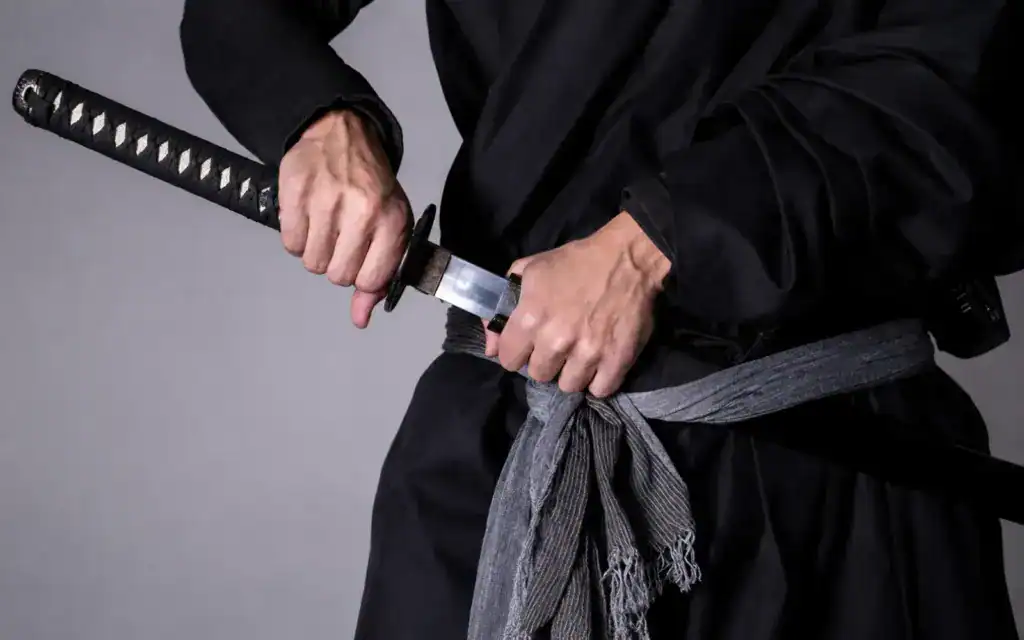
The tsuka leaves room for both hands
The tsuka is long enough for the hands to share the work. The front hand guides direction. The rear hand helps control rotation, speed, and braking. That work matters more than the dramatic one-hand swing people picture first.
Length matters more than weight
A katana does not need to be heavy to feel awkward in one hand. Blade length, balance, and tip movement matter. A sword can look manageable in photos and still feel off when the point travels farther than your wrist expects.
Listed weight is worth checking. It will not answer the hand question by itself. A lighter katana may tire the hand less, while poor balance can still make the blade feel hard to control. The guide to how much a katana weighs helps once you start comparing listings.
Can a katana be used one-handed?
Yes, a trained user may use a katana with one hand in certain contexts. You may see one-hand movement during a draw, while one hand manages the saya, in a tight space, or in advanced kata.
People also bring up Miyamoto Musashi and Niten Ichi-ryu. That reference makes sense. It is also easy to misuse. Two-sword methods change the whole setup because the second blade changes what each hand is doing.
A sharp katana is the wrong place to experiment. One-hand cutting before an instructor approves it can mean losing control of the blade and injuring yourself or someone nearby.
Training buyers should let the dojo decide when an iaito, bokken, unsharpened practice sword, or sharp shinken belongs in the process. Instructor guidance beats copying a short video with a live blade.
Why games make katanas one-handed
Games sort weapons by speed, animation, class, and balance. A katana may become a fast one-hand weapon because the combat system needs it to work that way.
Anime and films make a similar choice for style. A one-hand pose can look fast or calm. The sword on screen may also be a fantasy design that borrows from katana, tachi, ninjato, and other shapes.
Use those references for style inspiration, not handling advice. A screen sword can give you a display idea. It should not decide sharpness, length, steel, or training use.
What “one-handed katana” usually means
“One-handed katana” is a weak shopping term. It can mean a shorter blade, a shorter handle, a fantasy sword, or a listing that uses katana because shoppers know the word.
You may see katate-uchi in one-hand katana discussions. It is worth knowing as a historical or collector term, but it is not a reliable modern shopping label. Blade length, tsuka length, and intended use tell you more.
Most buyers get a clearer answer by comparing katana, wakizashi, and tanto. A wakizashi often fits one-hand handling better because it keeps a Japanese sword profile while cutting down the length. The wakizashi vs katana comparison helps when handling size is the real concern.
Check the specs, not the label
A good sword listing should give you more than the word katana. Check blade length, handle length, total length, edge status, weight, steel type, and clear photos of the fittings. Missing basics are a reason to slow down, especially on sharp blades.
Sori, the blade curve, and kissaki, the tip shape, can also affect how a sword looks and feels. You do not need expert vocabulary to shop well, but you do need enough detail to know what is being sold.
Online buyers should compare the blade and handle together. A shorter blade with a short handle may be closer to a wakizashi-style choice, even if the listing calls it a katana. A full-length blade with room for two hands belongs in the katana lane.
Photos help, too. Look for clear shots of the tsuka, saya fit, fittings, and blade profile. Blurry detail photos make it harder to judge whether the sword is meant for display, practice, or sharp-blade ownership.
Nakago means tang, and tang construction matters when a seller makes functional claims. A listing that says full tang should show or explain the build. Decorative swords, cosplay pieces, and practice tools can all be worth buying for the right reason. Do not treat them as the same purchase.
Steel terms such as high carbon steel, folded steel, Damascus-style patterns, hamon, or differential hardening may affect price, appearance, or maintenance. They do not turn a standard katana into a one-handed sword.
Match the blade to your purpose
Buying a katana for practice
Start with the school, not the product page. Many dojos specify length, weight, edge status, and training tool. A sword that looks convincing online may be wrong for the class.
Buying for display or gifting
For display, think about mounting and storage as much as blade shape. A sharpened katana on a wall is still a sharp object. Keep it secured, away from children and pets, and out of casual reach. Gift buyers should check age rules, shipping restrictions, and local law before ordering.
Buying a sharp katana
A sharp blade brings maintenance with it. Carbon steel can rust if it is handled, stored in a damp room, or left dirty after cutting practice. Plan for wiping, oiling, safe storage, and legal transport before assuming a sharp katana is the better choice.
Maintenance also changes the gift decision. Someone who only wants a wall piece may be happier with an unsharpened blade that asks less from storage, cleaning, and handling.
Sword laws depend on location, transport method, venue, carrier, and customs rules. Before carrying or shipping a katana, check current local law rather than relying on a general article. KatoKatana’s are katanas legal guide is a starting point, not legal advice.
Katana, wakizashi, or tanto?
Choose a katana for the classic full-length sword and two-hand handling. Choose a wakizashi for shorter reach and easier one-hand control. Choose a tanto for compact display, collection, or gifting.
| Sword type | Typical handling | Better fit |
| Katana | Normally two-handed | Classic full-length display, instructor-approved practice, and collectors who want the standard katana form. |
| Wakizashi | More natural one-hand handling | Shorter reach, smaller rooms, daisho-style pairing, and easier control. |
| Tanto | Compact one-hand blade | Compact gifts, small-blade collecting, desk display, and easier storage. |
Cosplay and convention buyers should look for an unsharpened prop that fits venue rules. Practice buyers should follow the dojo’s required bokken, iaito, or shinken rather than treating a display sword as training gear.
Buyers who want the full-length two-hand form can browse full-length katanas. Buyers who want shorter one-hand handling should compare wakizashi swords.
Custom work makes sense after you know the length, tsuka feel, edge status, and display pairing you want. A custom katana cannot fix an unclear use case. Compare standard options first, then customize once the choice is clear.
Common katana handling questions
Are katanas one-handed or two-handed?
A standard full-length katana is normally two-handed because its handle length, blade length, and training methods favor two-hand control. One-hand use exists, but it is not the normal buying classification.
Can you use a katana with one hand?
Yes, but one-hand use is narrower and harder to control. It may appear in draws, specific kata, or advanced contexts, but beginners should not attempt one-hand cutting with a sharp katana without instructor approval.
Why do games show one-handed katana use?
Games classify weapons around animation speed, balance, and character builds, not historical handling. A game katana can be coded as one-handed even though a standard real katana is normally handled with two hands.
Is a wakizashi better for one-hand handling?
Usually, yes. If the real goal is shorter reach and easier one-hand control, a wakizashi is often a better fit than trying to make a full-length katana behave like a one-handed sword.


