



Is Damascus Steel Good for Katanas? What to Know Before You Buy

You have probably seen “Damascus steel” in katana listings and wondered whether it is actually worth buying. Is it better than other options? Or is the pattern mostly what you are paying for?
This guide helps you decide whether you should choose Damascus based on what you want the katana for: display, gifting, collecting, or light cutting practice.
Here is the short version: Damascus can be a solid choice for the right purpose. But it is not automatically the best choice compared to steels like 1095 or T10 for heavy cutting work.
What is Damascus Steel?
To decide if Damascus is worth it, you first need to understand what the word actually means in today’s market. Knowing the basics helps you read product listings with fewer assumptions and avoid overpaying for a pattern that does not match what you need.
What It Means Today
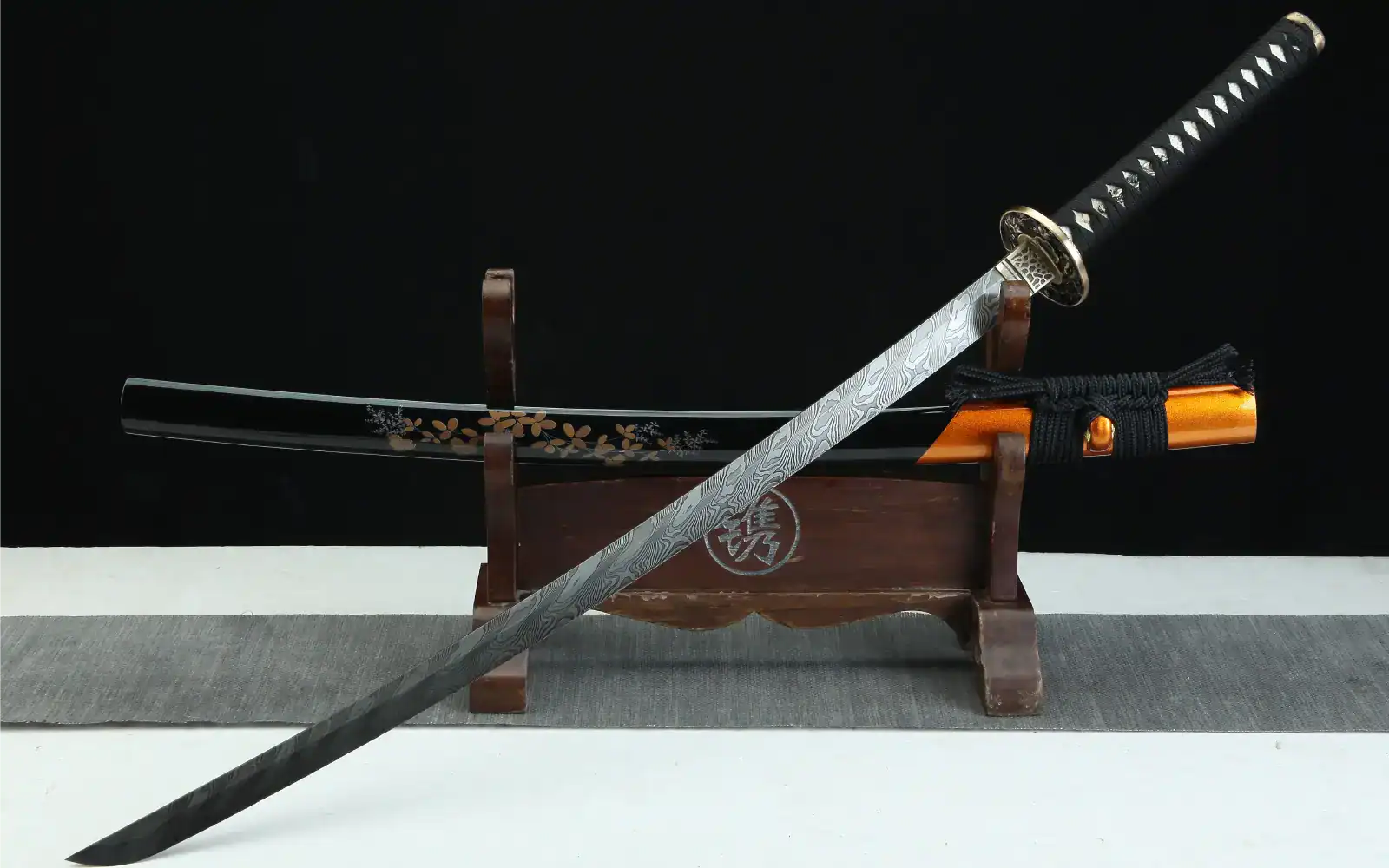
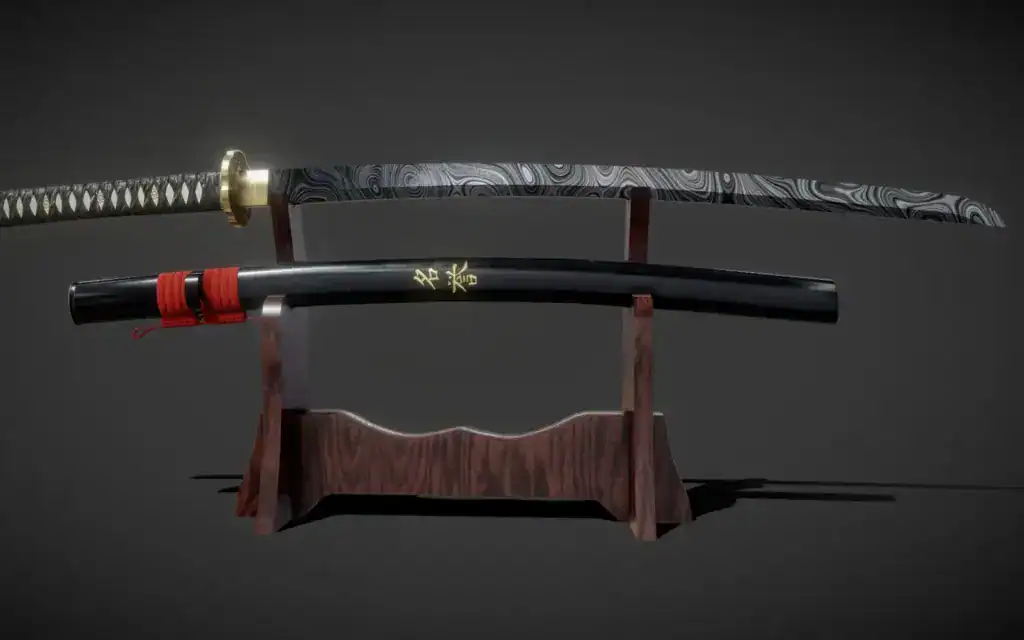
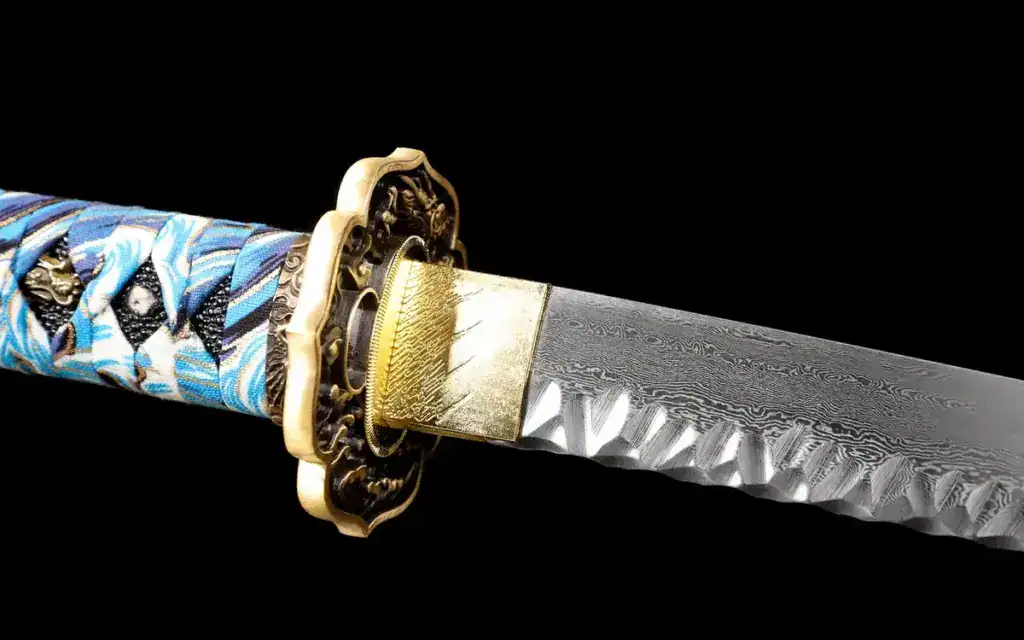
Modern Damascus is typically pattern-welded steel. That means different steel types are layered together and forge-welded to create a visible grain-like pattern on the surface.
This is also why many sellers use the word “Damascus” prominently in titles. The pattern is visually striking and easy to market. The pattern you see is part of what you are paying for. It reveals the layers inside, often brought out through acid etching.
Performance, however, depends far more on the core steel and heat treatment listed on the product page than on the layered pattern itself. A well-made Damascus blade can perform well, but the word “Damascus” in a title tells you almost nothing about how the blade will actually cut.
Damascus ≠ Traditional Katana Steel
Traditional Japanese swords are not made with what we call “Damascus” today. They use tamahagane and follow specific construction methods passed down over centuries. Many buyers assume Damascus is traditional simply because the layered look resembles folded steel, but the construction methods are different.
If authenticity or traditional materials matter to you, it helps to understand what katanas are typically made from and why those methods developed. You can read more here: What Are Katanas Made Of.
Quality Depends on the Maker
If the forge welds are poorly done, layers can separate when the blade is stressed. This is a real risk with lower-quality Damascus blades. Over time, uneven layers can also affect how the edge wears, especially if softer steels are part of the mix.
When shopping for a Damascus katana, the product page should clearly state:
- What steels are layered together
- Whether there is a high-carbon core (such as 1095 or T10)
- How the blade was heat treated
If a listing only says “Damascus steel” without explaining the steels used or the heat treatment, you should assume it is decorative rather than functional. For practical tips on spotting problems and common red flags, check out this guide: Real vs Fake Katana.
To understand whether Damascus is right for you, it helps to compare it directly with steels like 1095 and T10 that are commonly used in functional katanas.
Damascus Steel vs. Other Katana Steels: Side-by-Side Comparison
| Steel | Strength & Toughness | Edge Retention | Maintenance | Best For |
| Damascus Steel | Varies by build | Can be good; may wear uneven | Clean, light oil | Display, gifts, light cutting |
| 1060 Carbon Steel | Forgiving, durable | Moderate, softer feel | Routine oiling | Beginners, backyard cutting |
| 1095 Carbon Steel | Hard, capable | Strong edge hold | Rust-prone, frequent oil | Clean, precise cutting |
| T10 Carbon Steel | Consistent, strong cutter | Strong, wear-resistant | Rust-prone, harder sharpen | Heavy cutting, experienced users |
| 5160 Spring Steel | Tough, shock-resistant | Moderate, toughness-first | Moderate care | Hard-use practice |
| 9260 Spring Steel | Very flexible, forgiving | Moderate, not max sharp | Routine care | Training, “beater” swords |
When Is a Damascus Steel Katana a Good Choice?
Damascus is a good choice when visual pattern and craftsmanship matter more to you than maximum cutting performance.
You Are a Collector
If you collect for visual variety, Damascus makes sense. No two patterns are identical, which adds a level of uniqueness mono-steel blades cannot offer.
You Want a Display Piece
If the sword will live on a stand, Damascus works well. The pattern becomes the feature you see every day.
You Are a Gift Buyer
As a gift, Damascus has strong visual impact. It feels special even if the recipient never cuts with it.
You Practice Light Cutting
For soft targets like bottles or pool noodles, a well-made Damascus blade is capable. Avoid hard targets and focus on technique.
When Is a Damascus Steel Katana Not Ideal?
Damascus is not ideal when cutting performance, durability, or budget value matter more than appearance.
Serious Cutting Practice
For heavy tameshigiri on dense tatami or bamboo, mono-steel and spring steels like 9260, 5160, or T10 are preferred because they offer more predictable toughness under stress.
Seeking Value for Money
Damascus costs more for the pattern and labor. If you want the best performance per dollar, steels like 1060, 9260, or 5160 are easier to justify.
You Want “The Strongest Sword”
If you want maximum toughness and forgiveness, spring steels are the better category. Damascus is valued for appearance, not raw durability.
If you need help deciding between a training sword and a display piece, check out our guide on how to choose a katana for practice or display.
Making the Right Choice for You
Choose Damascus for visual character and light use. Choose mono-steel or spring steel for cutting performance and toughness.
Browse our Damascus steel katana collection for hand-forged blades that balance form and function.


