



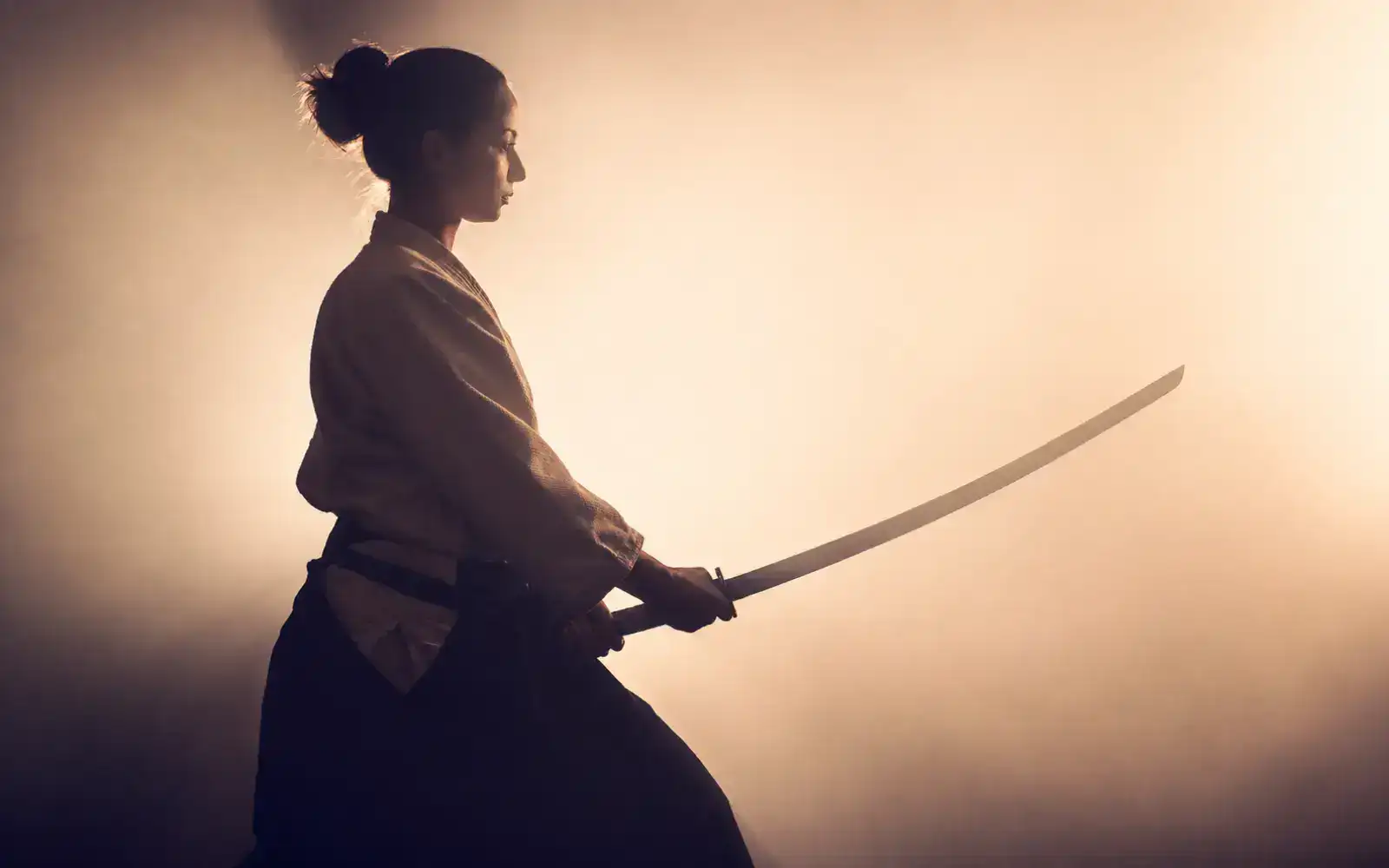
Did Samurai Use Katanas?

Many first-time sword buyers ask whether samurai used katanas because they want the sword on the wall to mean something real. Samurai did use katanas, but the period and setting change the answer. That history affects whether you should buy a katana, look at a tachi, build a daisho display, or choose a safer training tool.
A katana can work for display, collecting, gifts, cosplay, or supervised practice. It becomes a bad shortcut when you ignore sharpness, storage, customs rules, or local law.
Did samurai use katanas in battle?
Samurai used katanas in battle, with the strongest fit in later periods and close-range situations. In open-field fighting, bows, tachi, spears, polearms, and later firearms often mattered more than the katana.
For buyers, the katana is best read as a close-range sword, a sidearm, and a later symbol of samurai identity. “Samurai sword” can mean more than one blade type, so the katana vs. samurai sword difference matters before you trust a product title.
Samurai weapons changed over time
- Heian and Kamakura: mounted archery, the yumi bow, and tachi shaped much of the early samurai image. Earlier displays often fit tachi better than katana.
- Muromachi and Sengoku: spears, naginata, bows, firearms, and swords worked together. A katana belonged in the system, but it was not the whole system.
- Edo: daisho carry, sword fittings, class identity, and art made the katana more visible as a symbol and display object.
Japan House Los Angeles traces the samurai class across those periods. A buyer comparing swords should start with the timeline, not with the movie poster.
Why katanas dominate samurai imagery
Films and games put the katana in the center because a sword duel is easy to follow. Spear lines, mounted archery, and firearm volleys look messier on screen.
The familiar image is real, but narrow. If you love samurai cinema, Ghost of Tsushima, or Sekiro, a katana may still be the right display sword. You should know whether you want the later sidearm look or an earlier battlefield reference.
In open battle, reach mattered more
Open battle favored reach before sword handling. A bow reaches farther than a blade, and a yari or naginata controls distance better than a sidearm. Japan House LA also notes that European firearms changed warfare during Japan’s unification period.
A broad historical display may need more than another katana. A naginata, yari, or tachi can tell the battlefield story better when the goal is to show how samurai fought outside the duel scene.
Katanas made sense up close
The katana mattered when distance collapsed. Tight interiors, narrow streets, sudden close contact, and broken formations could make a shorter sidearm useful.
Modern buyers can use that distinction. A sword can look convincing on a wall and still be wrong for practice. A sharp blade also needs secure storage away from children, guests, and pets.
Earlier samurai used tachi more often
The tachi fits many earlier mounted-warrior displays better than a katana. The Met describes a tachi as a slung sword worn suspended with the cutting edge facing down, which gives it a different mounting story from a katana.
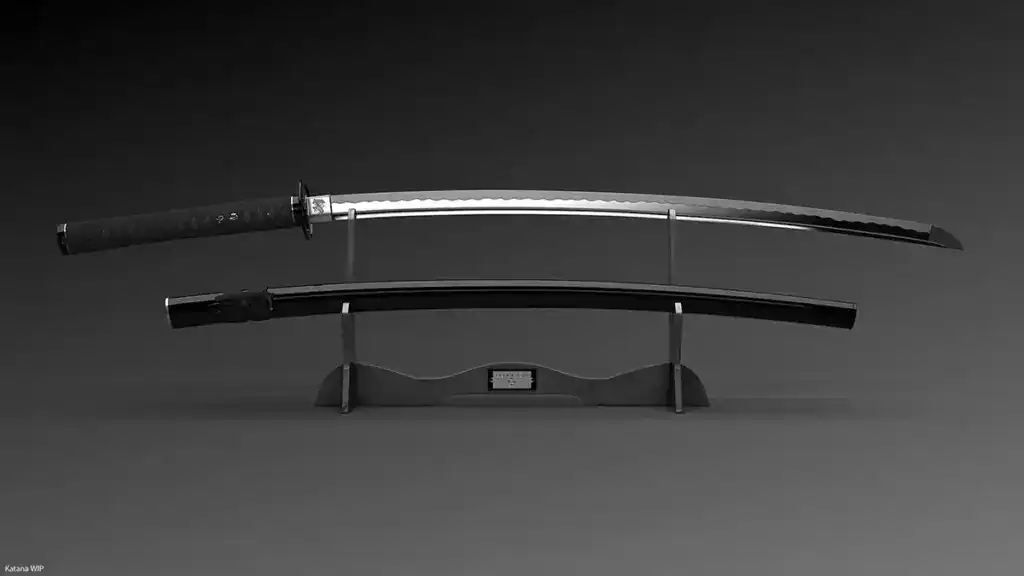
The katana fits the later waist-sash, edge-up image most modern buyers recognize. The Met defines a katana as a curved sword longer than 60 cm, fitted with uchigatana-style mounting and worn edge up in a sash.
If you are building an early mounted-samurai display, compare tachi vs. katana differences before assuming the more famous sword is the more accurate one.
Sengoku battles used more than swords
Sengoku-period warfare involved samurai, ashigaru, spears, polearms, bows, firearms, and swords. A katana could help when fighting closed in. Longer weapons and battlefield formations shaped much of the fight before that point.
The katana was neither useless nor magical. It was a serious sidearm whose role changed with tactics, armor, terrain, and the social meaning attached to sword carry.
Could a katana cut armor?
You should not picture a katana slicing through samurai armor in the movie sense. The blade was sharp and dangerous, but armor existed to resist, deflect, and reduce harm.
Museum armor records show armor, sword, dagger, and spear together because warriors used systems of gear. A single blade was not a magic answer to protection.
Product language needs the same skepticism. Sharp, functional, and battle ready do not prove a sword suits cutting practice. Check tang construction, blade material, handle assembly, seller photos, local rules, and instructor guidance before any use beyond display.
In Edo Japan, katanas became status symbols
The katana gained more symbolic weight as large-scale war became less central to samurai life. Edo-period sword fittings also showed taste, rank, and personal style.
The wakizashi matters here. A katana and wakizashi together create the daisho look, which says more about later samurai status than about early open-field warfare.
A single katana gives a clean display. A katana and wakizashi set tells a sharper Edo-status story, but it needs more room, more hardware, and the same sharp-blade safety checks.
Choosing the right samurai sword
Choose by use before you compare steel or price. A wall piece, a gift, a costume prop, a martial arts tool, and a cutting sword are different purchases even when every listing uses the word katana.
| Buying reason | Check before checkout | Skip it if |
| Historical display | The sword type matches the period you want to show. | The listing says nothing beyond samurai sword. |
| Collecting | Photos show the blade, fittings, saya, tsuka, and any tang detail. | The page uses rare or handmade with no proof. |
| Gift or home display | The recipient knows whether it is sharp and where it will live. | No one has a secure storage plan. |
| Cosplay or photography | The venue allows the material, edge type, and transport method. | The event bans metal blades. |
| Martial arts forms | Your instructor approves the tool type. | You are guessing between iaito, bokken, and shinken. |
| Cutting practice | The blade suits cutting and you have instruction. | The listing has no tang, blade steel, or heat-treatment detail. |
Rule out unsafe or mismatched choices before comparing steel, price, or finish. If you want the later sidearm look, browse the katana collection, then check edge type, construction, local rules, and intended use before choosing.
Steel claims worth checking
Steel terms help when the listing explains the construction. High carbon steel, spring steel, T10, 1095, folded steel, and Damascus-style steel do not prove quality by themselves. Heat treatment, blade geometry, assembly, and seller transparency matter too.
Hamon claims need the same care. Sword makers create a true hamon through differential hardening, while some modern blades use cosmetic etching or polishing effects. Treat the line as an appearance claim unless the seller explains how it was made.
Sellers often over-market folded steel. Historical folding solved material problems in specific contexts, but a modern folded or Damascus-style blade is not better by default than a well-made mono-steel blade. For display, the grain may be the point. For practice, fit for use matters more.
Tamahagane and nihonto need precise language. A true nihonto is a Japanese sword made by traditional methods, not any Japanese-style sword. Modern production swords can still be good display, replica, or practice-adjacent choices, but the product page should keep those categories separate.
Plan for storage before you buy
Carbon steel swords need more care than casual buyers expect. Keep the blade dry, avoid fingerprints on bare steel, oil it as the seller recommends, and do not store it in damp rooms or unstable mounts.
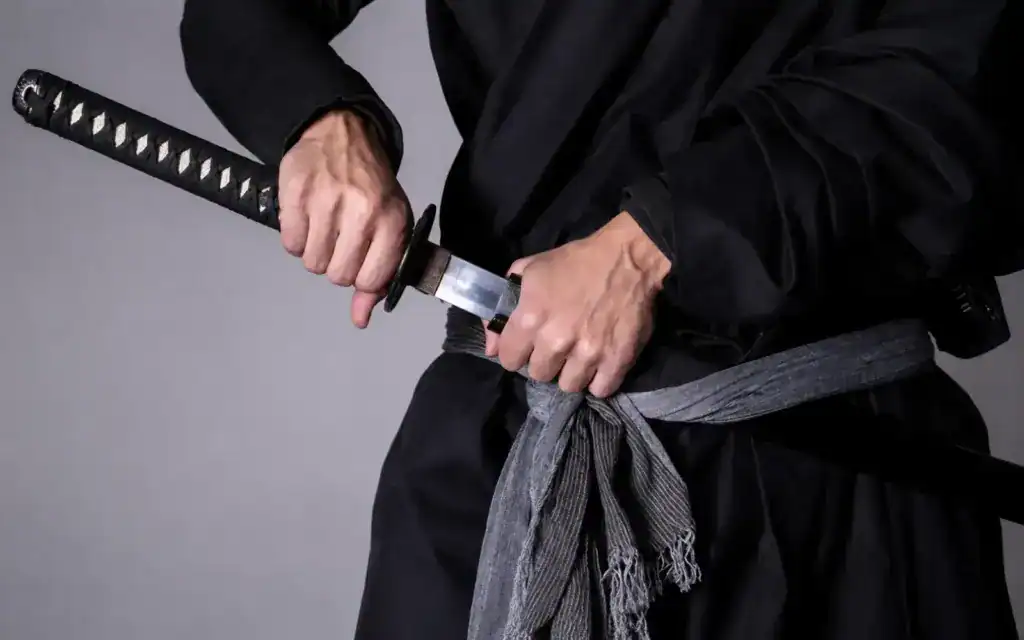
Display buyers should check the stand, wall support, saya fit, and household access before thinking about polish or steel pattern. A sword that looks good but lacks a secure storage plan is the wrong gift for many homes.
Practice-curious buyers should separate iaito, shinken, and decorative swords before shopping. Martial artists often use iaito for forms, and many iaito are unsharpened. Shinken are live blades. Some jurisdictions restrict, tax, seize, or ban shinken, so confirm local sword laws and import rules before ordering.
UK import guidance shows why the legal check has to happen before checkout. Dojo rules, age limits, shipping limits, and secure storage should all be clear before a sharp sword enters the home.
FAQ
Should I buy a katana for historical accuracy?
Yes, if you want the later samurai sidearm image. For earlier mounted-warrior displays, compare tachi first. For Edo status display, consider whether a daisho set fits better.
Can I import or carry a katana?
Check your local law before ordering or transporting one. Sword rules can cover blade length, sharpness, age, shipping, customs, public carry, and whether the blade is decorative or live.
Can beginners cut with a katana?
Yes, with instruction, a suitable blade, safe targets, and a controlled space. Do not cut with decorative swords. Check tang construction, handle security, local rules, and instructor guidance first.
Is folded steel better?
Folded steel is better when the pattern is the reason you want it. For practice or cutting, heat treatment, geometry, assembly, and seller transparency matter more.


