


Best Katanas Under $300: 5 Picks for Display, Cutting, and Gifts

The best katana under $300 is not the one with the loudest product photo. It is the one that will not surprise you later with the wrong steel, vague construction, awkward length, or a use claim the blade cannot support.
This price range can still work for a first production katana, display piece, anime replica, or gift. The tradeoff is that you have to buy by purpose first and decoration second.
5 Katanas Under $300 for Different Buyers
Match the sword to the job before comparing photos. A first purchase should be easy to understand. A cutting-practice sword needs stricter safety limits. An anime sword should be judged as a collectible first. A hamon or folded-steel sword is usually bought for blade character, not beginner forgiveness.
Prices and live product pages were checked on June 1, 2026. This is a product-page buying guide, not a cutting test, so the judgments below come from steel, stated construction, blade size, price, use limits, and how much a buyer can verify before ordering.
Before ordering, verify the live price, sharpness option, tang details, shipping rules, and stated use on the product page.
We gave the most weight to named steel, clear buyer fit, believable use limits, and details a buyer can verify before ordering. We did not reward a sword just because it used louder words like “battle ready,” folded, Damascus, or handmade.
For a First Katana: Archers Honor 1060 Carbon Steel Katana
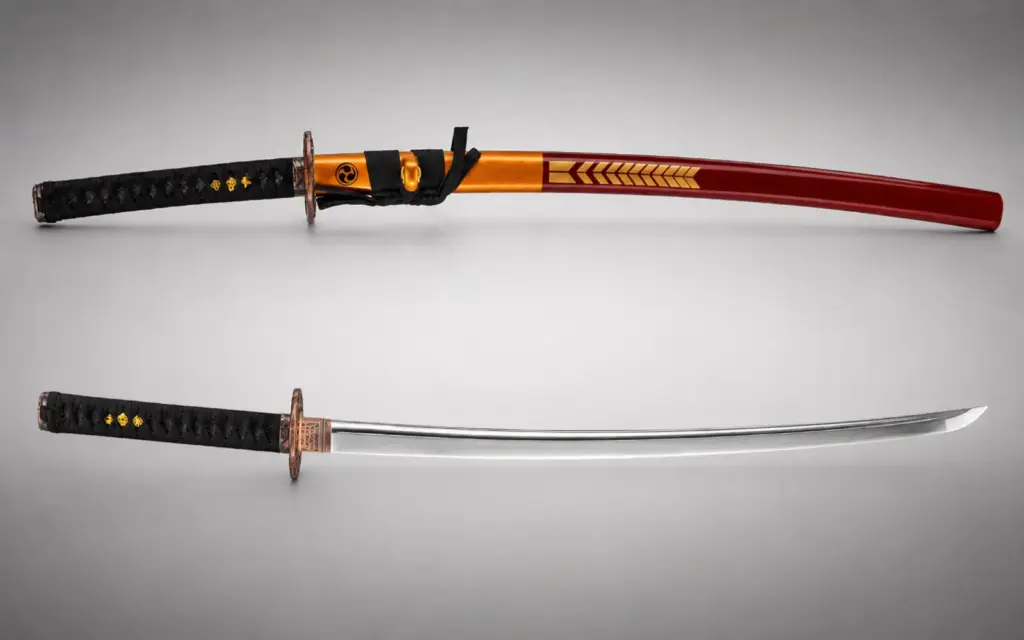
At $188, this 1060 carbon steel katana is the least complicated pick here. It works if you want a first production sword for display, careful handling, and only the light use the product page supports.
The reason it comes first is boring but useful: 1060 keeps the purchase simple. There is no folded-steel premium, no dramatic hamon, and no reason to expect custom-level finishing. Look elsewhere if blade detail and collector presentation matter more than an easy first buy.
For Durability on a Budget: 5160 Spring Steel Katana
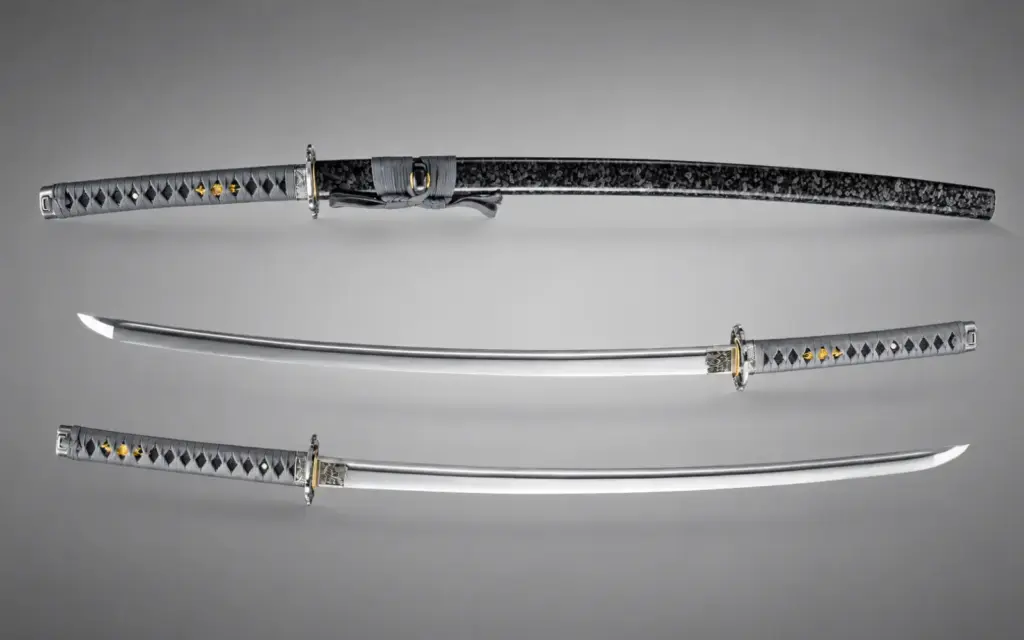
At $199, this is the pick if your main concern is toughness rather than decoration. 5160 spring steel suits a buyer who wants more forgiveness than a harder, prettier blade can offer.
Buy it for the steel choice, not for decoration. It may look too plain for a display-heavy gift, and spring steel does not make any sword a free pass for hard targets or unsupervised practice.
For Anime Fans: Demon Slayer Muichiro Tokito 9260 Katana
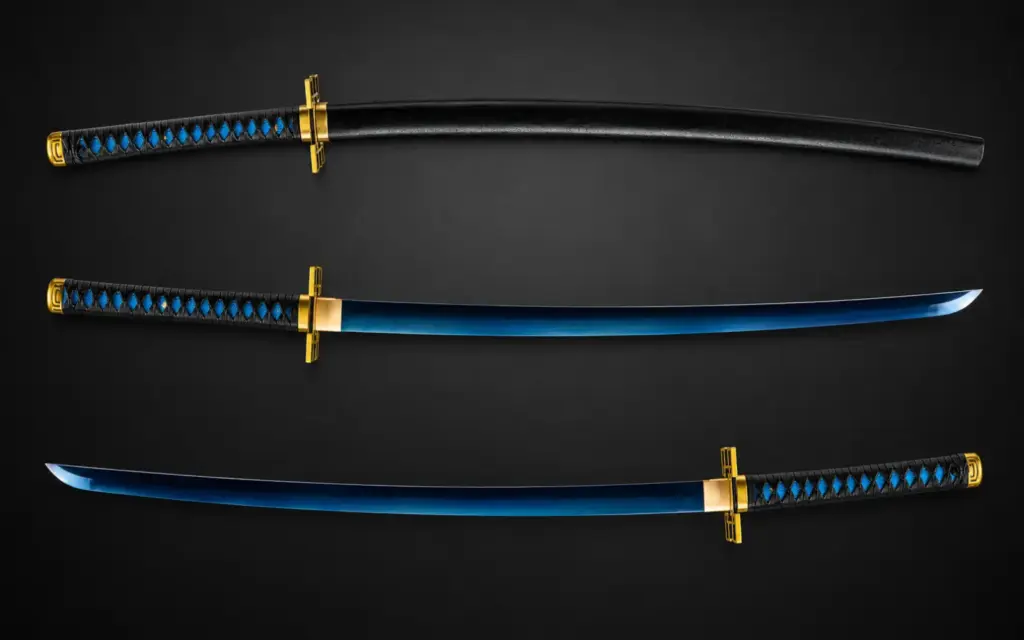
At $188, the Muichiro design is the reason to buy it. The 9260 spring steel is more reassuring than a basic 1045 replica, but this is still a character sword first unless the live product page clearly supports your intended use.
Buy it for display, cosplay-adjacent collecting, or a gift for a fan who will store it safely. Do not treat anime styling plus better steel as a substitute for dojo-approved training equipment.
For a Real Hamon Under $300: Tencel Series Extra Long Nagasa 75cm T10 Katana
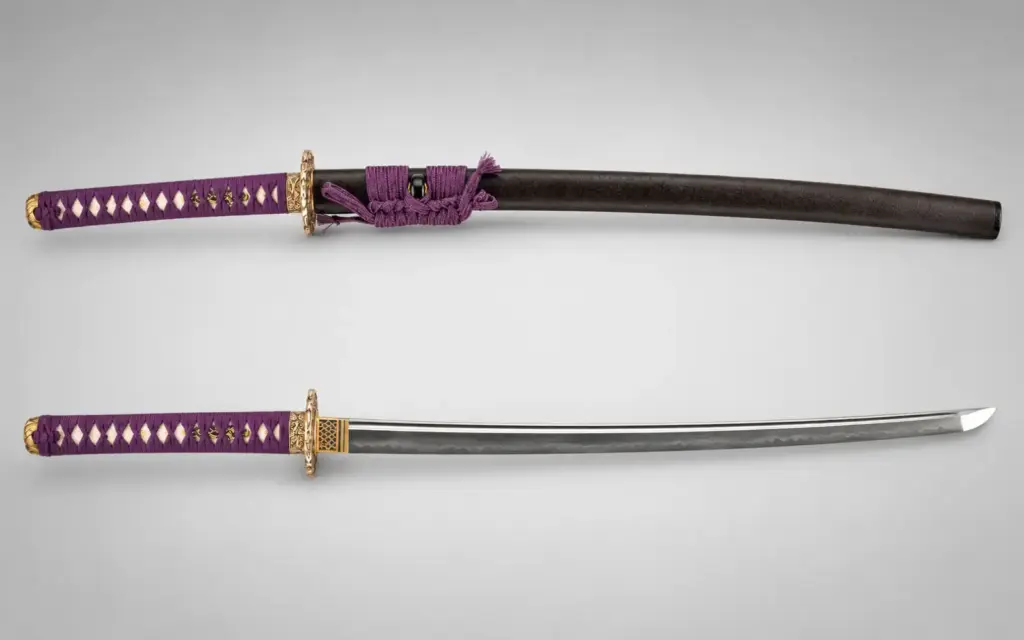
At $238, this is for buyers who want T10 steel, clay tempering, and a hamon that is more than a line in the photo. That is a better reason to choose it than simply wanting the most expensive-looking blade under $300.
Skip it if the 75 cm nagasa is more blade than you want to manage. Extra length can feel awkward for smaller users, tight rooms, or anyone still learning safe handling, so check the measurements before treating longer reach as better.
For Display and Collector Appeal: 1095 Hand-Folded Clay Tempered Katana
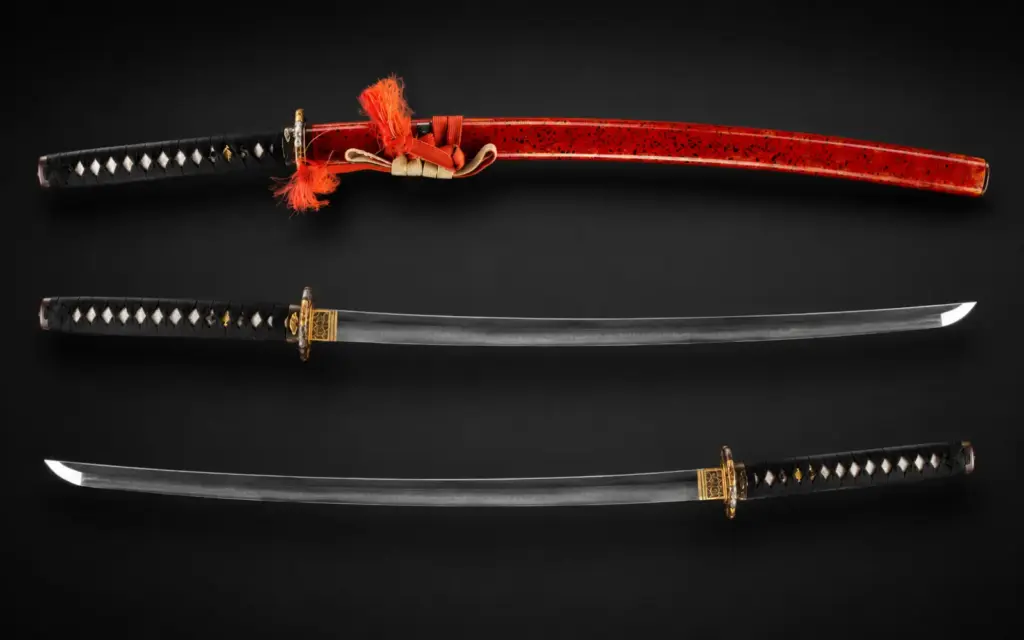
At $260, buy this for the folded look, clay-tempered spec, and extra blade detail on display. The value is in the high-carbon, hamon-focused presentation, not in pretending folded steel magically makes a blade tougher.
It fits a display shelf, collector gift, or buyer who already knows blade appearance matters most. If beginner forgiveness and simple maintenance matter more, start with 1060 or 5160 instead.
Two types did not make the main five by default:
- Basic 1045 anime replicas can be fine wall pieces, but they are not the best place to start if the buyer expects stronger steel or cutting use.
- Damascus-pattern display swords can look good on a stand, but the pattern should not be treated as proof of better cutting performance.
What $300 Actually Buys
Under $300 is enough for an entry-level production katana with named steel and honest use limits. It is not enough for antique nihonto, tamahagane, specialist polish, or custom-level mount fit.
The better question is not whether the sword is “real” in a romantic sense. Ask whether the product page gives you enough facts to judge the blade without guessing.
Budget compromises are normal. Simpler fittings, basic polish, cotton or synthetic wrap, and minor saya fit variation are expected. The problem starts when the listing hides the steel, skips tang details, or promises heavy cutting without explaining the build.
Every high-carbon blade in this range also needs basic care. Keep it dry, wipe fingerprints after handling, and use appropriate blade oil or maintenance supplies instead of treating it like stainless decor.
A few Japanese sword terms are worth knowing, but only when they help you inspect the listing. The nakago is the tang inside the handle, the tsuka is the handle, the saya is the scabbard, and the kissaki is the tip. At this budget, those terms should clarify construction, not dress up weak specs.
Decide What the Katana Will Actually Do
A first functional sword, a shelf piece, an anime replica, a gift, and a hamon-focused collector buy should not be judged by the same checklist. Steel labels matter, but only after the job is clear.
Blade length and weight also matter. Extra-long blades, including 75 cm nagasa models, can feel awkward for shorter users or anyone without enough handling space.
- First functional katana: start with 1060 carbon steel if you want the simplest first step into a production sword. Check full tang or nakago clarity, named steel, and clear use limits. Skip this lane if visible hamon, folded grain, or premium finish matters more than a forgiving first buy.
- Durability-first beginner: look at 5160 or 9260 spring steel when toughness and forgiveness matter more than decoration. Check fittings, target limits, and whether the product page explains what the sword is meant to handle. Avoid this route if your main reason for buying is hamon or traditional visual detail.
- Anime or display buyer: 1045 or themed replicas can work when character accuracy and finish matter most. Check whether the blade is sharpened, how it will be displayed, and whether the recipient can store it safely. Do not buy this type for active cutting practice just because it looks like a katana.
- Anime look with limited light use: a 9260 anime replica is the more sensible direction when you want recognizable styling plus a stronger steel spec. Still check tang details and product use notes carefully. It is not a substitute for dojo-approved equipment.
- Gift buyer: decide whether the recipient actually wants display, handling, or cutting before choosing the sword. Confirm sharpness, return policy, shipping limits, and household safety. A sharpened surprise gift is a bad idea when local rules, storage, or comfort level is unclear.
- Hamon or visual detail: T10 or 1095 makes more sense when heat treatment, hamon, and blade appearance are the point of the purchase. Check blade length as closely as steel. Avoid this route if you mainly want the easiest first cutter.
- Pattern-first collector: Damascus-style or folded steel belongs in the display and collector lane. Look at pattern quality, polish, and how the sword will present on a stand. Do not treat the pattern as proof that the blade is stronger or better for cutting.
Cutting Practice? Start With Forgiving Steel
Most first-time functional buyers should start with 1060 for balance, or 5160 and 9260 when durability matters more. T10 and 1095 are not automatically better for a first cutting sword.
Functional buyers should check full tang or nakago clarity, secure tsuka fit, heat treatment, and realistic target use. Decorative steel, etched finishes, and dramatic product names come after those questions.
Use any sharpened production katana only with safe targets, proper space, and responsible handling. Do not use it for hard targets, backyard abuse, sparring, or dojo practice unless an instructor approves that specific tool. The choose a katana for practice or display guide explains that split in more detail.
Dojo Use Is a Separate Question
Many formal dojos require unsharpened iaito, bokken, or specific training tools. Ask your instructor before buying or bringing a sharp production katana to class.
New to Tameshigiri? Keep It Supervised
Tameshigiri, or test cutting, belongs in a supervised setting with the right tool, soft target, and proper form. Solo practice at home with a sharp production katana is not a beginner-safe starting point.
Once those conditions are clear, compare by steel, blade length, and stated intended use rather than by finish alone.
Display, Anime, and Gift Katanas Are Different Buys
Display, anime, and gift buyers can care more about presentation than cutting durability. That is fine if the sword is not treated like a training tool just because it has a sharp edge.
1045 is acceptable for display, light handling, and anime collectors who prioritize visual accuracy. It is not the recommendation for active cutting practice. Anime buyers who want more than a wall piece should look for clearer construction details and tougher steel such as 9260.
Gift buyers should confirm whether the recipient wants display, handling, or cutting before ordering. A surprise sharpened sword is a poor gift when household safety, local rules, or the recipient’s comfort level is unclear.
- Confirm whether a sharpened blade is appropriate for the household.
- Check current shipping, delivery, and return details before purchase.
- Match anime accuracy, display stand, and finish to the recipient’s taste.
Anime and gift buyers should answer the safety questions first, then compare character accuracy, finish, steel, and whether the blade is sharpened.
Pretty Steel Is Not Always Better
T10, 1095, real hamon, folded steel, and Damascus-style patterns can be worth paying for, but they do different jobs. None of them automatically makes a sword the best first katana under $300.
T10 and 1095 usually fit buyers who want harder-edge appeal, more traditional blade detail, or a visible hamon. Folded steel and Damascus-style patterns are mainly visual or collector-value features in this budget range.
High-carbon steels like 1095 can hold a harder edge, but they can also be less forgiving on poor cuts or unsuitable targets. For many first-time cutters, that tradeoff favors 1060 or spring steel before a harder, more decorative blade.
Tamahagane and antique nihonto should not be part of the under-$300 expectation. If a budget listing leans heavily on famous Japanese sword language but does not explain the actual modern steel, heat treatment, and tang construction, treat the romance as marketing until the specs prove otherwise.
A visible hamon line should be backed by the heat-treatment description, not only by a product photo. KatoKatana’s real hamon vs fake hamon guide is the one supporting article worth reading before paying extra for that feature.
| Feature | What it can mean | What not to assume |
| T10 | High-carbon steel often used with clay tempering | That it is easier for beginners than 1060. |
| 1095 | High-carbon steel often chosen for harder-edge builds | That harder always means better. |
| Real hamon | Differential hardening line when properly described | That every visible line is proof. |
| Folded steel | Layered visual grain | That folding automatically adds strength. |
| Damascus-style steel | Visible pattern for display value | That pattern equals cutting performance. |
KatoKatana vs Marketplace Listings
Marketplace listings can be cheaper, but they push more verification work onto the buyer. A low price matters less when the photos look good but the construction details are thin.
Legacy budget brands and direct custom sellers can work when you already know what to compare. The risk for a first buyer is buying by reputation or price before checking the specific sword in front of you.
- Marketplace listings can offer low prices and many looks, but the buyer has to check more details manually.
- Legacy budget lines may be familiar to enthusiasts, but current availability, exact model specs, and pricing still need checking.
- Using KatoKatana: start by filtering by steel and buying goal, then still verify current price, sharpness, tang details, and return policy on the live product page.
Normal Flaws vs. Red Flags
Normal under-$300 flaws include simpler fittings, less refined polish, basic saya fit, cotton or synthetic wrap, and minor cosmetic variation. These are common in production swords at this price.
Red flags include unclear steel, no full-tang information, loose handle or fittings, unsupported “battle ready” claims, no return clarity, and extreme cutting promises. Cheap does not automatically mean unsafe. Vague specs are the warning sign.
KatoKatana’s mistakes to avoid when buying a katana guide is useful before comparing very cheap listings.
Mistakes Buyers Make Under $300
- Choosing the flashiest steel label before deciding what the sword will actually be used for.
- Buying a sharpened sword for dojo use before checking training rules.
- Assuming folded steel or Damascus is automatically stronger.
- Treating “battle ready” as proof without checking steel, tang, and intended use.
Where to Look Next
Use the next link only if it matches the decision you just made. Many under-$300 mistakes start when buyers jump into a steel category before deciding whether the sword is for cutting, display, anime collecting, or a gift.
- First functional sword: start with katana for sale, then compare high carbon steel katana options by steel, blade length, sharpness, and intended use.
- Durability-first buyer: compare 5160 spring steel Japanese sword and 9260 spring steel Japanese sword options when beginner forgiveness matters most.
- Visual or hamon-focused buyer: look at T10 carbon steel Japanese sword and 1095 carbon steel Japanese sword models, but check heat treatment and blade length before choosing.
- Display, anime, or gift buyer: browse anime & movie katana options after confirming sharpness and household fit. Pattern-first collectors can use the damascus steel Japanese sword category when display appearance matters more than beginner cutting performance.


