




Is a 9260 Spring Steel Katana Good for Beginners?

Quick Verdict
- Yes, 9260 spring steel is usually a good beginner katana steel when the blade is properly heat treated, full tang, and used for careful handling or light cutting on appropriate targets.
- Buy it for toughness and flex, not for a showy hamon, traditional steel appeal, or the longest-lasting edge.
- Before buying, make the listing prove the build. A steel label by itself does not prove safe handling, cutting suitability, or legal fit where you live.
A 9260 spring steel katana usually enters the shortlist when a first buyer wants a functional sword but worries about bending the blade on an early mistake. That fear is reasonable. The steel can help, but it will not rescue a bad heat treat or loose mounting.
Before comparing prices or finishes, decide what the sword is actually for. A backyard cutter, a display buyer, a gift shopper, and a dojo student are not really shopping for the same sword.
Is 9260 Right for Your First Katana?
Choose 9260 when you want a forgiving functional blade more than a dramatic-looking one. It is the safer buy when you expect beginner handling mistakes and want more margin before the blade takes a set.
Skip 9260 when your real priority is visual character. A buyer chasing a bold natural hamon, a traditional steel story, or the crispest edge for advanced cutting should compare T10 or 1095 first.
- Buy 9260 for a first functional katana that will see careful handling and appropriate targets.
- Consider 9260 as a second sword when you want a practical blade and do not want to risk a prettier hamon piece.
- Skip 9260 when the blade is mainly for display, traditional appeal, or a bold hamon.
Why 9260 Forgives Small Cutting Mistakes
9260 is a modern silicon-manganese spring steel, commonly specified with about 0.56 to 0.64 percent carbon and about 1.8 to 2.2 percent silicon. That chemistry helps the steel flex under stress instead of taking a permanent bend too easily.
Heat treatment decides whether that chemistry helps. In a katana, 9260 can offer elastic flex, shock resistance, and better tolerance for imperfect beginner cuts when the blade has the right temper, geometry, and construction.
9260 may be more forgiving of minor beginner errors, such as imperfect edge alignment or light side loading on appropriate targets. It should not be used to compensate for forceful, unsafe, or uncontrolled cutting.
What 9260 Gives Up
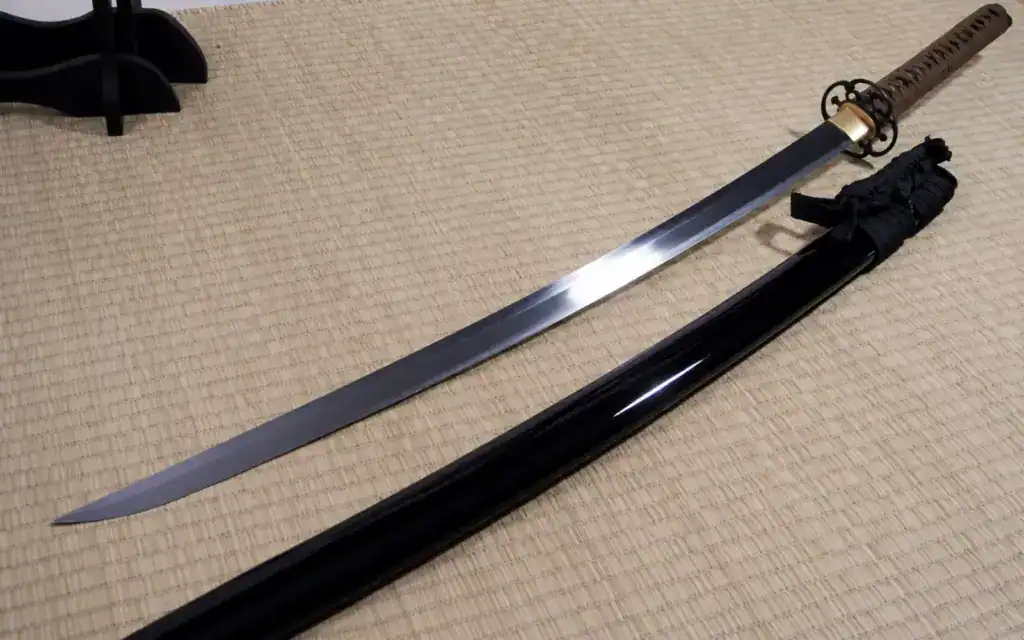
9260 is a toughness-first steel, not a weak steel. The tradeoff is that it usually gives up some visual drama and edge-retention appeal compared with steels buyers often choose for hamon, polish, or a harder cutting edge.
1095 and T10 often appeal more to buyers who want a harder edge feel, more visible hamon potential, or a more traditional-looking blade when the heat treatment is good. A visual buyer who cares as much about the blade line as the cut may be happier comparing T10 or 1095 first.
9260 is still carbon steel, so it can rust. Wipe the blade after handling, keep it dry, and apply a thin layer of suitable blade oil before storage. Toughness does not replace cleaning, oiling, or safe storage away from children, guests, and pets.
Display buyers should judge finish before toughness. A plain 9260 blade may be the better tool, while T10, 1095, or Damascus-style finishes may have more presence on a wall stand.
9260 vs Other Katana Steels
Use this as a buying filter, not a steel encyclopedia. Pick the kind of blade you need first, then inspect the individual sword.
| Steel | Why buyers choose it | What to watch | Choose it when |
| 9260 spring steel | Forgiveness and flex | Faint hamon, average edge retention | You want a forgiving first cutter |
| 1060 carbon steel | Simple carbon-steel entry | Less spring-back forgiveness | Budget matters most |
| 5160 spring steel | Tough spring-steel handling | Limited hamon appeal | You want another tough spring-steel option |
| 1095 carbon steel | Edge hardness and hamon potential when well heat treated | Less forgiving of poor alignment | You care more about edge or hamon |
| T10 tool steel | Hamon appeal and crisp feel when well heat treated | Needs good heat treatment and geometry | The blade line matters as much as use |
Heat treatment, blade geometry, tang construction, mounting, and target choice can matter more than the alloy printed in a listing title.
9260 vs 1095
9260 is usually better for beginners who want damage tolerance. It gives new cutters more forgiveness when hasuji, or edge alignment, is still inconsistent.
1095 is the better direction when the buyer cares more about a harder edge, sharper feel, and hamon potential. It rewards cleaner technique but punishes forced or poorly aligned cuts more quickly.
9260 vs 5160
9260 and 5160 can both work for beginner-friendly functional swords when properly built. Do not treat every “spring steel” listing as the same material.
9260 is often chosen for spring-back forgiveness driven by high silicon content. 5160 is better for buyers who want a tough blade without chasing hamon or premium polish.
How Much Should 9260 Cost?
Many production 9260 katana listings appear in the budget-to-mid starter range, but price changes by maker, fittings, polish, customization, and seller terms. Treat price as a clue, not a quality stamp.
- Lower-price listings need extra scrutiny: named steel, tang details, sharpness, and whether styling is carrying most of the value.
- Mid-range listings should explain the build, not just show cleaner photos or a nicer finish.
- Higher prices should point to visible reasons, such as custom fittings, polish, blade geometry, or collector finish. High price is not a quality guarantee.
- If construction details are missing, a nicer saya or anime finish does not make up for it.
Do Not Buy the Steel Label
Do not buy a katana just because the listing says spring steel. The phrase is often too loose to tell you whether the sword fits your use. Use the listing itself as the test:
- Steel: look for a named alloy, such as 9260 spring steel, rather than vague “spring steel” wording.
- Heat treatment: look for real tempering or hardening language, not just “battle ready” copy.
- Tang and mounting: confirm full tang or clear nakago information, plus mekugi and fitting details.
- Sharpness and limits: match the blade to display, training, or appropriate cutting practice. “Not for hard targets” tells you more than a vague durability claim.
- Seller terms: check transparency, return terms, and current shipping or customs restrictions.
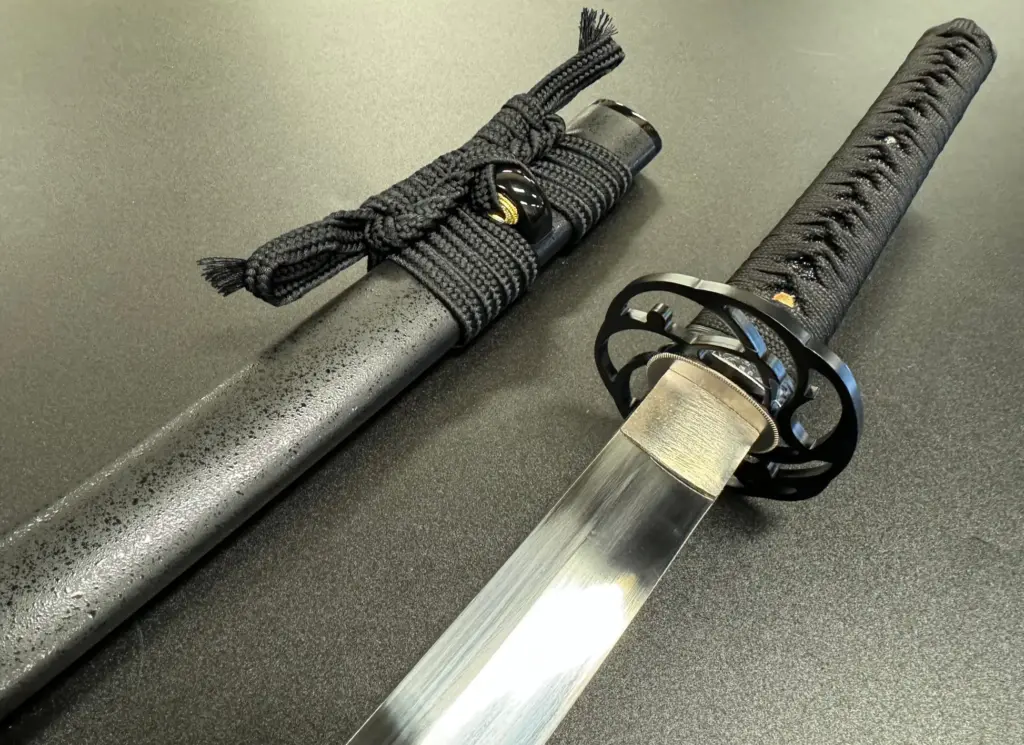
- Photos: look for clear views of the blade, tsuka wrap, habaki, saya fit, and fittings. Blurry beauty shots are not a substitute for specs.
Safety and legal note: Sword ownership, shipping, customs, age rules, public carry, and display restrictions vary by country, state, province, and local area. Check your local rules before buying, transporting, displaying, or using any sharpened sword.
Once you know which specs matter, use KatoKatana’s 9260 spring steel filter to narrow current options, then check heat treatment, tang details, fittings, and use limits before choosing.
Read the 9260 Listing Carefully
A useful 9260 katana listing should name the steel clearly and explain the build. Look for blade material, full tang or nakago language, sharpness, fittings, saya, and whether the seller frames the sword as display, collectible, or functional.
Stronger listings also tell you what the sword should not do. That boundary matters in this category because a sharp-looking sword can still be a display piece, and a functional-looking sword can still be poorly mounted.
Be careful with hamon language. “Hamon-style” or a very bold decorative line on a low-cost 9260 blade may not mean a real differential-hardened hamon. KatoKatana’s guide to what a hamon is on a katana explains the blade feature before you judge a product listing by the line alone.
Red Flags Worth Walking Away From
Walk away from listings with no named alloy, no tang information, no heat-treatment language, unclear return policy, stock photos that hide the blade or fittings, impossible “unbreakable” claims, or specs that disagree across the same page.
Bend videos are stress tests, not normal cutting expectations. They do not prove fitting quality, edge geometry, rust resistance, or long-term maintenance value.
Do not bend, scratch, strike, or abuse a new sword at home to “test” it. If a 9260 blade bends badly during a clean first cut on a proper target, the likely problem is heat treatment, geometry, or construction, not beginner technique alone.
Who Should Buy 9260?
9260 fits buyers who want a practical first functional katana more than a display-first collector piece. The same steel can still lead to different choices once use changes.
First-Time Functional Katana Buyers
Choose 9260 when you want a forgiving first blade for appropriate targets and careful handling. It suits buyers who would rather keep the blade from bending than chase the hardest edge immediately.
Repeat buyers may also like 9260 as a second blade. A tougher practice-oriented sword can keep a more decorative hamon blade out of risky beginner sessions.
Ask Your Dojo Before Buying
Ask your dojo before buying a 9260 katana for iaido, kenjutsu, battodo, or any formal training. Many beginners start with a bokken or iaito, and each school can have its own rules for length, weight, sharpness, fittings, and live-blade timing.
Gift Buyers Should Be Careful
A 9260 katana works as a gift only when the recipient actually wants a functional blade and can store it safely. For surprise gifts, an unsharpened display sword is often the safer path than guessing on a sharp cutter.
For Display, Hamon May Matter More
Choose another steel when the blade’s look matters more than mistake tolerance. T10 or 1095 is usually the better lane when you want a visible hamon, a more traditional display impression, or stronger edge retention for cleaner technique.
Buyers on the lowest-cost path may compare 1060 first. Buyers who want another rugged spring-steel route can compare 5160. KatoKatana’s best steel for katana guide gives the broader steel-by-use-case view.
Should Your First Katana Be 9260?
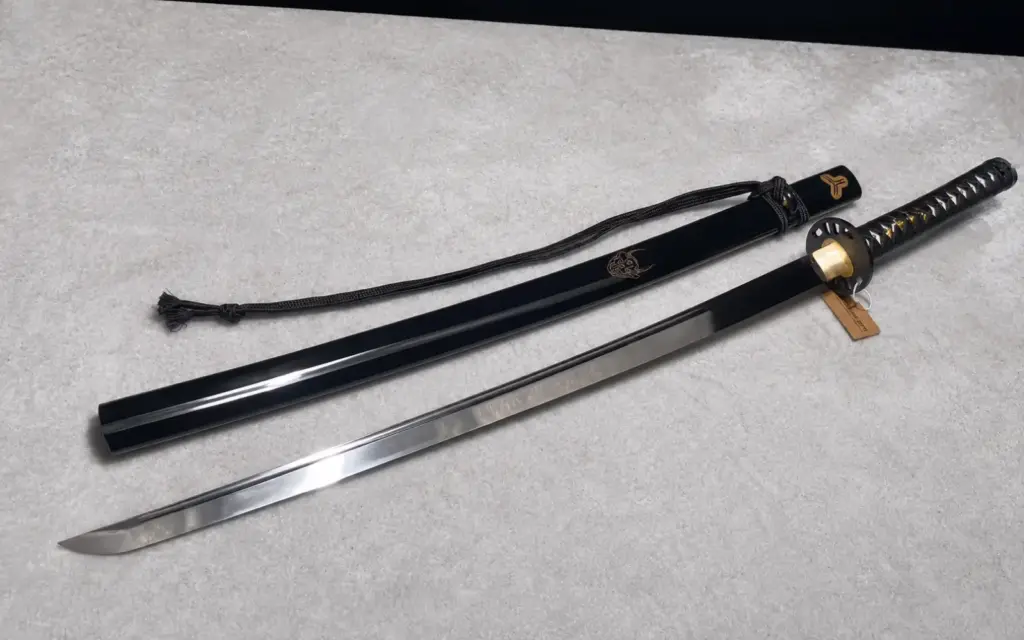
Your first katana should be 9260 if you want a forgiving functional blade and the listing proves more than the steel name. Buy it for practical toughness, not romance.
9260 is not a shortcut around technique, maintenance, or law. Use appropriate targets, avoid destructive tests, store the sword safely, and check rules on ownership, shipping, transport, public carry, age limits, and customs before buying.
- Choose 9260 if your first concern is beginner mistake tolerance on appropriate targets.
- Compare 5160 if you want another tough spring-steel option and do not care much about hamon.
- Compare T10 or 1095 if the blade line, edge feel, or hamon matters more than spring-back forgiveness.
- Choose an unsharpened display sword if the sword is mainly a gift, room display, costume piece, or conversation object.
A buyer settled on this steel can compare 9260 spring steel Japanese swords. A buyer still weighing steel, style, and use case should start with KatoKatana’s functional katana collection before narrowing by material.
Common Questions About 9260 Spring Steel Katanas
Does 9260 spring steel hold an edge well?
Yes, 9260 can hold a functional edge well enough for beginner cutting. Edge retention is not its main advantage, so well-treated 1095 or T10 may stay crisp longer.
How is 9260 different from 5160?
Both are tough spring-steel choices, but they are not identical. 9260 is often valued for silicon-driven spring-back forgiveness, while 5160 is usually chosen as a tough workhorse steel.
Can you use a 9260 katana for iaido?
Only if your school allows it. Many iaido beginners use a bokken or blunt iaito first, while sharpened shinken may be reserved for approved students or specific cutting practice.
Can a 9260 katana have a real hamon?
Sometimes, but a bold hamon is not what 9260 is usually bought for. Many practical 9260 blades are through hardened, so treat “hamon-style” wording as a visual claim until the listing explains differential hardening clearly.
Is folded 9260 better than plain 9260?
Not automatically. Folding can add visual patterning, but it does not prove better cutting performance. Heat treatment, geometry, tang construction, and fittings still matter more.
Is 9260 spring steel traditional?
No, 9260 is a modern alloy steel, not traditional tamahagane. Its value is practical toughness and beginner forgiveness, not historical authenticity.


