


What Is a Naginata? Not the Sword Most People Think

Quick Answer
- A naginata is a traditional Japanese polearm with a curved, single-edged blade on a long shaft, and many full-sized examples fall somewhere around 150 to 240 cm overall.
- It is a polearm, not a sword, because the long shaft changes how it is held, how it controls space, and how it attacks.
- Today, a naginata makes the most sense for readers interested in martial arts, military history, collecting, or large display pieces rather than a first casual sword buy.
What is a naginata? For many readers, the confusion starts the second they see one: a curved blade on a long pole that does not look fully like a spear or a sword.
Historically, it was a serious Japanese battlefield weapon. Today, it appears more often in martial arts, collecting, museum history, and pop culture.
What a Naginata Really Is
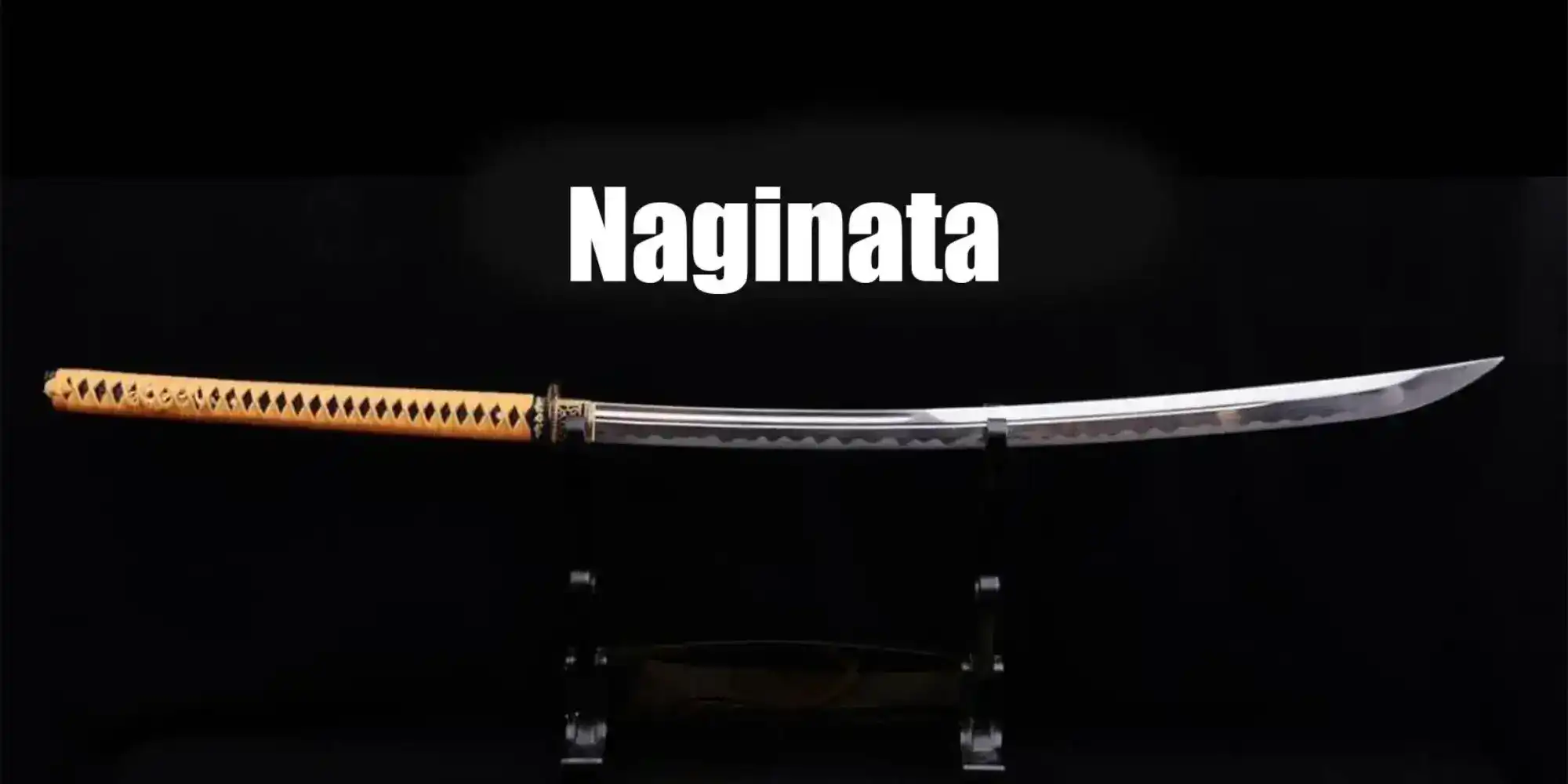
A naginata is a Japanese polearm with a sword-like blade mounted on a long shaft.
The Simple Definition
In plain English, it is a curved blade mounted at the end of a pole. 薙刀 is sometimes loosely explained in English as something like “reaping sword,” based on the meaning of its first character, but simple glosses do not capture the full linguistic history.

Why It’s a Polearm, Not a Sword
A naginata is classed as a polearm because the mounting and handling matter more than the blade profile alone. You grip and move it like a long-reach weapon, using space, angle, and control in ways that are very different from a sword worn at the hip.
How to Picture One Fast
Picture it this way: a naginata is built to manage distance before an opponent gets close. If you imagine a sword blade set on a staff long enough to change the entire fighting range, you are close.
Why People Confuse It With Other Weapons
The confusion comes from silhouette overlap. Naginata, yari, and katana all appear in Japanese martial history, but they solve different combat problems.
| Weapon | Basic Shape | Primary Use |
| Naginata | Curved blade on a long shaft | Sweeping cuts, reach, and distance control |
| Yari | Straight spearhead on a pole | Thrusting and formation fighting |
| Katana | Curved sword with a short grip | Close-range cutting and sidearm use |
Naginata vs Yari
A naginata differs from a yari in its main job. The naginata is built around a curved cutting blade and sweeping control of space, while the yari is centered on direct thrusting with a straighter spearhead.
Naginata vs Katana
A naginata and a katana both use single-edged blades, but they are not the same kind of weapon. The katana is a sword for closer-range use, while the naginata gains its identity from the long shaft that changes reach, balance, and handling.

How to Spot the Difference
The clearest visual clue is proportion. On a naginata, the shaft is far longer than the blade. On a yari, the blade is straighter and more spear-like. On a katana, the grip is short and the whole silhouette is compact.
Nagamaki looks closer at first glance, but the handle is the giveaway. A nagamaki keeps a much shorter, sword-like wrapped grip instead of the naginata’s long pole-style shaft.
How to Say Naginata
Naginata is usually pronounced nah-gee-NAH-tah in English guides, and that short answer removes a lot of hesitation fast.
The Easy Pronunciation
Break it into four syllables: nah, gee, NAH, tah. English speakers often stress the third syllable, while Japanese pronunciation is more even, but that version is close enough to be understood.
What the Name Means
薙刀, written なぎなた in hiragana, is sometimes loosely translated as something like “reaping sword.” That shorthand is useful only as a rough orientation, not as a precise linguistic rule.
The Parts of a Naginata
A naginata is not just a blade on a stick, because its mounting is part of what makes it function as a naginata in the first place.
The 5 Parts That Matter Most
These are the five parts buyers usually need to understand first.
| Part Name | Function | Why Buyers Should Care |
| Blade | Main cutting edge | Check shape, finish, and whether the listing describes the blade clearly. |
| Tang (Nakago) | Metal extension inside the shaft | Longer, more secure mounting matters for stability. |
| Shaft | Main handle and control point | Material and shape affect durability, balance, and display size. |
| Peg (Mekugi) | Secures blade to shaft | A well-fitted peg helps keep the assembly secure. |
| End cap (Ishizuki) | Counterweight and reinforced butt end | It affects balance and completes the weapon’s construction. |
How Big It Usually Is
Length changes everything about a naginata, from handling to storage. Even when the blade draws the eye, the long shaft is what primarily defines its reach and handling, and it is usually the part that creates display trouble in a normal room.
What to Check Before You Buy
Start with overall length, because size drives display space, storage, and ease of handling. If you are still learning how Japanese blade listings work, our guide to types of katana breaks down the language sellers often use around blade construction and finish.
Then check whether the piece is meant for display, collecting, or training reference. A listing can be good for one of those jobs and still be the wrong choice for the other two.
Quick Buyer Checklist
- Look for clear blade and tang details, not vague “battle ready” language with no construction notes.
- Watch the mounting quality, because loose fittings ruin the feel faster than flashy photos can hide.
- Read the finish and materials description closely, since cheap decorative pieces often look better online than in person.
- Check whether the seller explains handling, balance, or intended use in plain language.
- If you still are not sure which category fits you, slow down before buying. A wrong first polearm is usually a space problem before it becomes anything else.
Who Actually Used the Naginata
No single group owned the naginata’s history. Its role shifted as Japanese warfare changed.
Who Carried It and Why
Samurai and sohei are most directly tied to the naginata in earlier Japanese warfare. Ashigaru more often carried the yari, though naginata use among infantry did occur. The common thread was practical reach. A long weapon with cutting power helped control space, threaten from farther out, and pressure opponents before close contact.
Why Reach Mattered in Combat
Reach mattered because it let a fighter shape distance instead of surrendering it. The naginata’s sweeping cuts also gave users a way to disrupt movement, attack from wider angles, and make cavalry or advancing opponents harder to manage safely.
How It Became Linked to Women Warriors
The naginata is strongly associated in popular memory with women of warrior households, but historically its use was broader than that. Over time it became tied to household defense, etiquette, and feminine martial training, which is why many readers first meet it through that lens.
The term onna-bugeisha often comes up here, because later writing and modern retellings connect the naginata with women of the warrior class. That association matters for cultural memory and search intent, but it should not erase the weapon’s wider military history.
What You’ll See on the Market
Today’s naginata market usually breaks into three lanes: historical-style replicas, practice-oriented versions, and collector pieces.
Historical-Style Pieces
“Historical” usually means styled after older battlefield examples, not that the piece is a literal battlefield survivor. What matters more is whether the item is meant to represent an older form, train safely, or display convincingly.
Practice and Sport Gear
Modern naginata practice usually uses safer gear, not sharp steel weapons. Modern atarashii naginata uses standardized training equipment for kata and competitive practice, so dojo gear and collector steel pieces are not interchangeable.
Steel replica pieces belong in the display or collector lane, which is why browsing naginata for sale is more useful here than looking at dojo equipment. Serious training is a separate decision, and school gear standards should come first because a collector piece is not a shortcut to practice-ready equipment.
Shopping for a Naginata
Most modern buyers are looking at replica or collector-oriented pieces, not battlefield weapons in a literal sense. That is why presentation, proportions, mounting details, and intended use matter more than romantic claims about being “just like” a feudal-era original.
- Historical-style replica: steel piece built mainly for display or collector interest.
- Practice version: safer training-oriented equipment used for forms or supervised practice.
- Collector-focused modern piece: presentation-first build aimed at shelf presence and collecting.
In the current US online market, display-oriented replicas often start around $150 to $300. Training weapons can start lower if you are only buying the practice implement, but a full sport setup can rise well past $600 once protective gear enters the picture. Higher-end collector pieces can climb from the upper hundreds into the low thousands depending on finish, materials, and maker.
Why People Still Care About It
The naginata still matters because it sits at the intersection of martial arts, military history, and collector appeal.
Why Martial Artists Still Study It
Martial arts practitioners still study the naginata because it survives as a living discipline, not just a museum object. Modern practice keeps the weapon relevant through kata, sport formats, school lineages, and the physical lessons that long-reach weapons teach.
Why Collectors Notice It
Collectors notice the naginata because it changes the whole look of a Japanese weapons display. It has more reach, more silhouette, and a different historical flavor than a wall of sword-only pieces.
Seen It in a Game or Anime?
Many readers first notice the shape in fantasy games or anime before they ever hear the real term. Seeing the Cross-Naginata in Elden Ring or a similar polearm in anime often leads people here, and the real job at that point is to separate the dramatic fiction version from the historical weapon and from the modern replica market.
Where It Fits in a Japanese Weapons Collection
The naginata fits more naturally inside a wider traditional Japanese weapons collection than it does as an odd outlier. It helps explain how Japanese martial history extends beyond the familiar sword formats most beginners start with.
Should You Buy One First?
A naginata is the right first choice only when reach and polearm identity matter more to you than a smaller or more familiar weapon format.
When a Naginata Is the Right First Buy

Choose a naginata first if you want something visually striking and historically distinct from the standard sword silhouette. It suits buyers who care more about reach, wall presence, and polearm history than about starting with the most familiar format.
It is a bigger commitment, though, because size and display space become real constraints fast.
When Another Weapon Is the Better Start
Explore another weapon first if you want an easier display fit or a more familiar starting point. If the older warfare angle interests you but you still want a sword format, our guide to what a tachi sword is is the better next step.
Naginata Questions People Actually Ask
Most of the remaining questions are practical ones that come up right after the definition clicks.
Is a Naginata a Sword?
A naginata is classified as a polearm, even though its blade comes out of the Japanese swordmaking tradition. The long shaft, reach, and handling logic matter more than the blade shape alone.
How Long Is a Naginata?
Many full-sized naginata fall somewhere between about 150 and 240 cm overall, though historical pieces and training versions varied widely according to collector reference guides and school standards. That size is one reason storage and display matter so much.
Is Naginatajutsu Still Practiced Today?
Yes. Naginata practice still exists today in both sport-oriented and traditional contexts. Modern schools use training-specific equipment and standards, so practice gear should not be confused with collector steel pieces.
What Is the Difference Between a Naginata and a Yari?
A naginata uses a curved cutting blade on a long shaft, while a yari uses a straighter thrusting spearhead. The simplest beginner distinction is this: naginata emphasizes cutting arcs, yari emphasizes direct thrusting.
Is a Naginata a Good Gift?
Yes, but only for someone who already likes Japanese weapons, martial history, or display pieces. It is a poor blind gift for someone without the space, interest, or comfort level to own a long polearm.
A display-focused piece is easier to compare inside our naginata collection, where the current options sit side by side.


