

Is a Custom Katana Worth It?

Quick Answer
- First sword? Stock is usually the safer buy. Many KatoKatana functional katana sit around $199 to $299, which gives you a lower-risk way to learn your preferences.
- Gift or display piece? Custom makes more sense, but KatoKatana says forging typically takes 4 to 5 weeks after approval, so leave extra buffer before the date.
- As of April 2026, KatoKatana custom showcase pieces range from about $298 to $5,500. Custom buys fit and personalization, not automatic cutting gains or resale upside.
A custom katana is worth it for buyers who already know what they want and plan to keep the sword long term. For most first-time functional buyers, a solid stock sword is still the safer first move because it cuts down guesswork, cost, and waiting.
At KatoKatana, that gap also shows up in the numbers: many stock katana sit around $199 to $299, while the custom showcase runs from about $298 to $5,500, and custom forging typically takes 4 to 5 weeks after approval. This guide will help you decide which path fits your use case before you order.
What “custom katana” means before you decide
Most online custom katana offers are not true one-off commissions. They are configurable builds, which means you choose from a preset menu of blade steels, fittings, colors, lengths, and finishing options.
That matters because the real decision for most buyers is not custom versus a museum-level commission. It is configurable custom versus a proven in-stock production sword.
| Option | Personalization level | Wait time | Best for | Regret risk |
| Configurable custom | Moderate to high | About 4 to 5 weeks after approval at KatoKatana | Buyers with clear preferences | Higher |
| In-stock production katana | Low | No build queue | First-time owners and practical buyers | Lower |
| True bespoke commission | Highest | Longest and less predictable | Serious enthusiasts or collector-level buyers | Highest |
These are relative risk calls, not hard scores. The less you know about your preferred length, balance, and fittings, the easier it is to guess wrong.
The difference that actually matters
A configurable custom build lets you shape the sword within the maker’s existing option range. A true bespoke commission starts closer to a blank sheet, with more direct back-and-forth, more complexity, and usually more cost.
For most buyers, custom buys fit, aesthetic control, and personal meaning. It does not automatically cut better, and it usually does not resell better either. More choices also mean more ways to guess wrong when you still do not know what length, weight, or handling feel you actually like.
Is it worth it for your first katana?
For most first-time owners, a good production sword is the smarter starting point. It gives you a baseline for weight, balance, grip feel, maintenance, and general handling before you start paying to customize those details.
Why beginners usually do better with in-stock
Most beginners do not yet know what they prefer. A handle that looks right on a product page can feel too thick in hand. A blade length that sounds practical can feel awkward once you draw, swing, or store the sword. Early custom choices are often guesses that feel more informed than they really are.
Purpose should come first. If you are still sorting out practice versus display, how to choose a katana for practice or display gives you a better first filter than jumping straight into fittings, finishes, and engraving.
When a beginner might still want custom
Custom can still make sense for a beginner when the sword is mainly a commemorative gift, themed display piece, or sentimental purchase. In that case, visual meaning matters more than dialing in cutting feel.
Keep the build simple. Put more of the budget into the parts the owner will actually notice, such as the fittings, color theme, or engraving, and less into technical upgrades you cannot judge yet.
Is it worth it for training and regular cutting?
Training and regular cutting are where custom starts to make the strongest case. It starts making sense once you can point to what feels wrong about your current sword, such as a tsuka that feels too thick, a blade that feels tip-heavy, or a draw that never feels natural.
When better fit really matters
Custom is worth paying for when you already know your preferred length, balance, handling feel, or training use case. At that point, you are no longer buying options for fun. You are paying to solve a real fit problem.
The gains are practical, not magical. A better-matched build can improve draw comfort, grip confidence, repeated practice feel, and overall control. Extra options will not make up for not knowing what you want. You still need a real problem to solve.
When a ready-made functional katana is enough
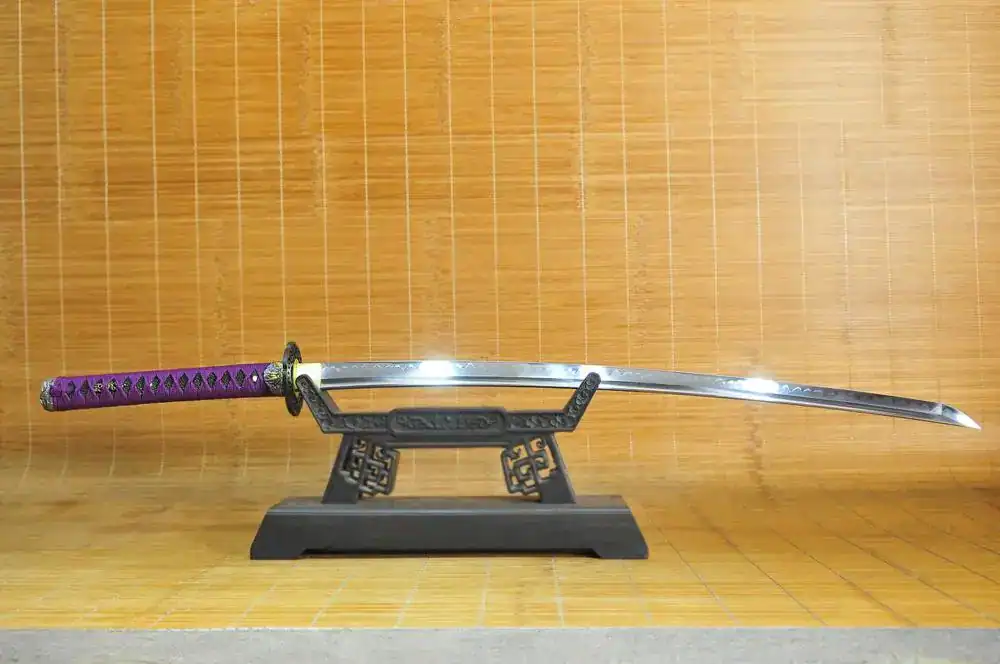
A well-made stock sword is still the smarter buy when you mainly want dependable cutting performance without extra wait and selection risk. Many buyers care more about consistent heat treatment, secure assembly, and sound geometry than about controlling every detail.
If function is the main goal, a high carbon steel katana is the cleaner path. It keeps the decision centered on performance instead of menu fatigue.
When an in-stock katana is the smarter buy
An in-stock katana is usually the right call when your decision is still shaped by timing, budget, or uncertainty. Stock first is not settling. It is often the cleaner decision.
- You need the sword by a specific date.
- You want a proven model with reviews and fewer unknowns.
- You are working within a tighter budget.
- You are still figuring out whether your priority is practice, display, or collecting.
If that sounds like you, start by browsing katana for sale and narrow the field with actual use case, not imagined future preferences.
Is it worth it for display, gifts, and collecting?
This is where custom often makes more sense than the spreadsheet does. The decision shifts from pure performance value to personal meaning, presentation, and long-term satisfaction.
When custom makes the best gift or display piece
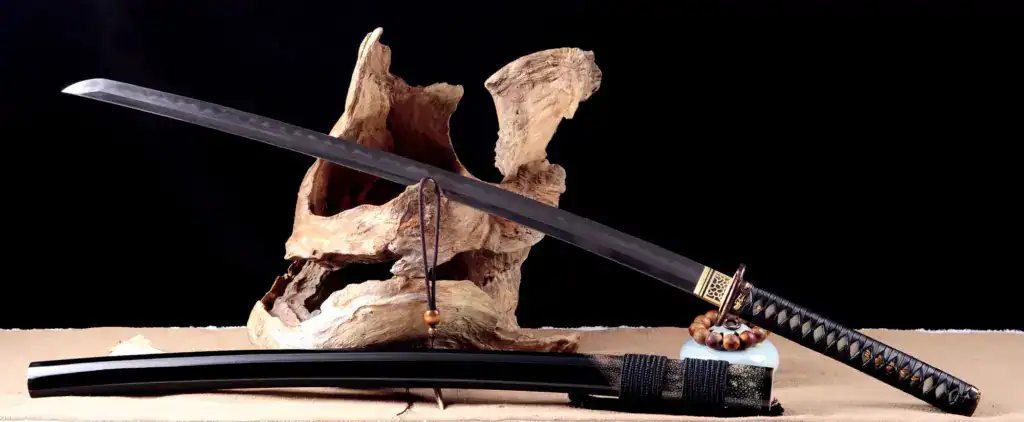
Custom can be clearly worth it when the goal is symbolism, presentation, or a specific visual theme. A gift sword does not need to be technically optimized to feel personal. It needs to feel chosen for that person.
If you are buying for someone else, spend the budget on visible personalization, not on advanced specs you cannot evaluate well. The right tsuba, saya finish, color pairing, or engraving will usually matter more than chasing a steel upgrade for a recipient who may never cut with it.
KatoKatana says forging typically takes 4 to 5 weeks after approval. In practice, gift buyers should treat 6 to 8 weeks as a safer planning window once approval and shipping are added.
Why collector value means something else
Personal collecting value and resale value are not the same thing. A configurable custom sword may be deeply satisfying to own because it reflects your taste. That does not mean the next buyer will value those same choices.
True bespoke or provenance-heavy pieces belong to a different collector tier. We recommend buying most online configurable customs for ownership pleasure rather than as an investment, because resale demand can be unpredictable.
What a custom katana usually costs and how long it takes
Cost and timeline settle a lot of this fast. If either one already bothers you, stock is usually the safer path.
What affects the price
On KatoKatana as of April 2026, the main how much does a real katana cost question sits inside a broad in-house price spread. The katana collection filters from about $168 to $1,860, and many functional stock models on the page sit around $199 to $299.
The custom showcase ranges from about $298 to $5,500, with many featured commissions already in four-figure territory.
Custom pricing still rises with blade material, fittings, finish complexity, and how far your request sits outside standard options. Custom is often not the best value for a buyer who just wants a solid first sword, unless you already know the exact fit or design gap a stock model will not solve.
What affects the timeline
Custom lead time depends on how much back-and-forth, forging, finishing, and approval the order requires. At KatoKatana, the custom katana page says forging typically ranges from 4 to 5 weeks, though timing can stretch with order complexity and the approval process.
If you need the sword for a birthday, holiday, or event, timeline is not a side issue. It is part of the buying decision. That alone can be a good reason to choose stock first.
FAQ
Can a beginner order a simple custom katana without regretting it?
Yes, but only when the build is simple and meaning-driven. Most first functional purchases are still safer as stock buys because they teach you what you actually like before you start customizing it.
Is a custom katana better than a stock katana for cutting?
Not by default. Cutting performance depends on heat treatment, geometry, assembly quality, and user skill. Custom only becomes an advantage when the chosen specs solve a real handling or training problem.
Does a custom katana hold its value?
Usually not in the way buyers hope. Most custom swords reflect one person’s taste, which narrows resale appeal. Buy custom for long-term ownership satisfaction, not because you expect an easy profit later.
Ready to order or still comparing?
If you already know the exact requirement a stock sword will not meet, custom can be the right next step. If you do not, buy stock first and let real use narrow your preferences before you pay for personalization.
For buyers with clear priorities and time to plan, a custom katana sword makes sense. KatoKatana’s process is closer to a guided configurator plus approval step than a blank-sheet commission, which is a better fit for buyers who know the look or feel they want. Either way, the right call starts with knowing what you actually need.


