



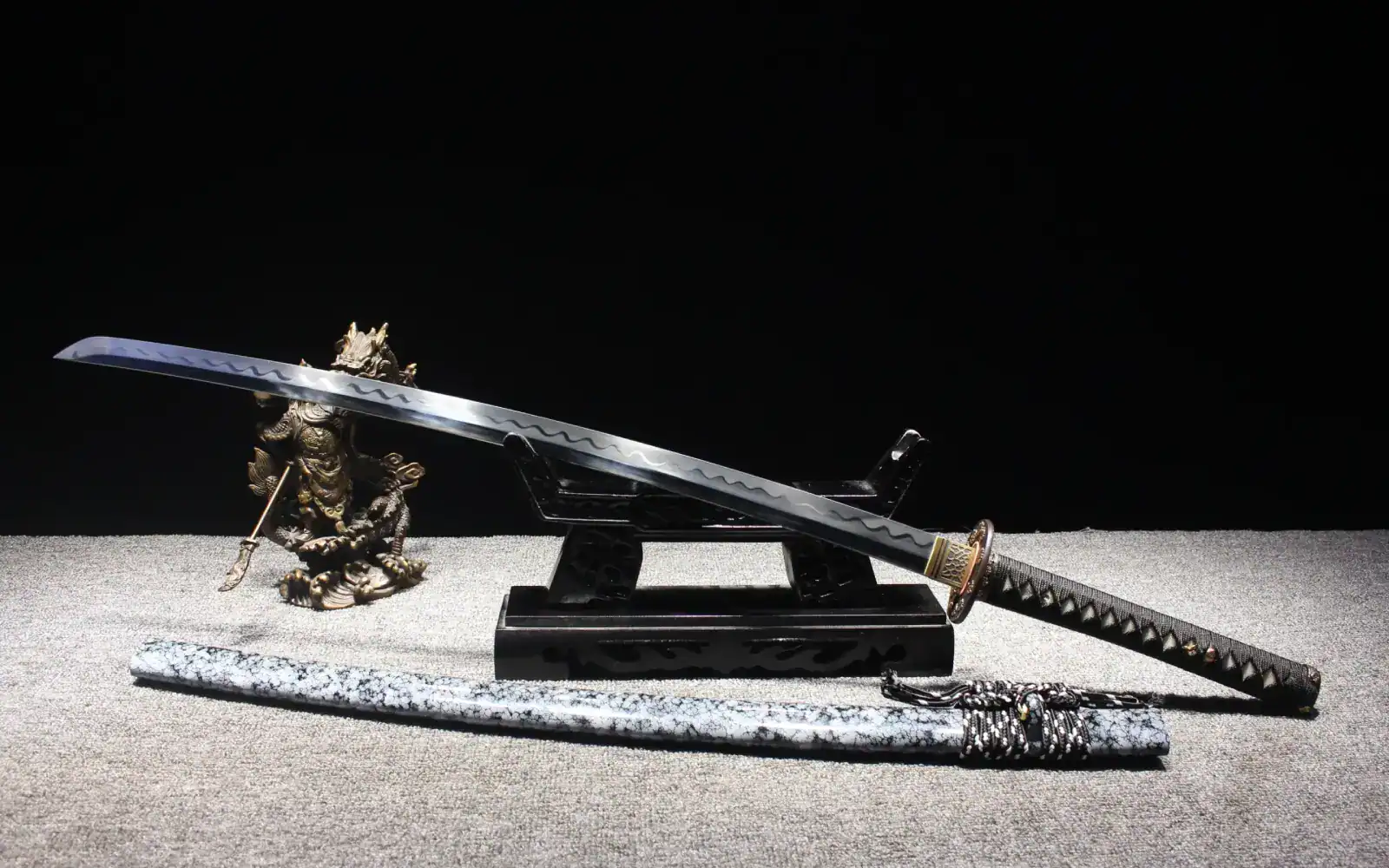
1060 vs 1095 Carbon Steel Katana: Which Steel Fits Your Use?

1060 vs 1095 carbon steel for katana is a practical choice between forgiveness and edge performance. Both steels can make a functional katana when the heat treatment, blade geometry, and assembly are done well.
This guide focuses on the decision buyers actually care about: which steel fits how you plan to train, cut, display, and maintain the sword.
Quick Answer
For many first-time buyers and regular practice users, 1060 is usually the safer first recommendation because it is more forgiving. 1095 makes more sense when stronger edge retention and a more visible hamon matter enough to justify a less forgiving blade.
1060 vs 1095 at a Glance
Start with the core trade-off: 1060 usually gives you more room for mistakes, while 1095 usually gives you a harder edge and a sharper look.
| Factor | 1060 Carbon Steel | 1095 Carbon Steel |
| Edge retention | Good for regular use | Usually better and longer-lasting |
| Toughness / forgiveness | Usually tougher and more mistake-tolerant | Usually less forgiving on poor edge alignment |
| Value / price positioning | Often the more budget-friendly entry point | Often sold as the step-up choice |
| Display / visual finish | Good display value, usually a subtler hamon | Usually a stronger hamon and a flashier look |
| Best fit | Beginners, dojo practice, general-purpose ownership | Experienced cutters, edge-focused buyers, hamon-focused collectors |
Both steels can perform well when the sword is made and heat-treated properly, so this table is a starting point rather than the whole decision.
Is 1060 or 1095 Better for Your Use?
For most buyers, this is the real decision point: choose the steel that matches how you plan to use the sword, not the one with the bigger number.
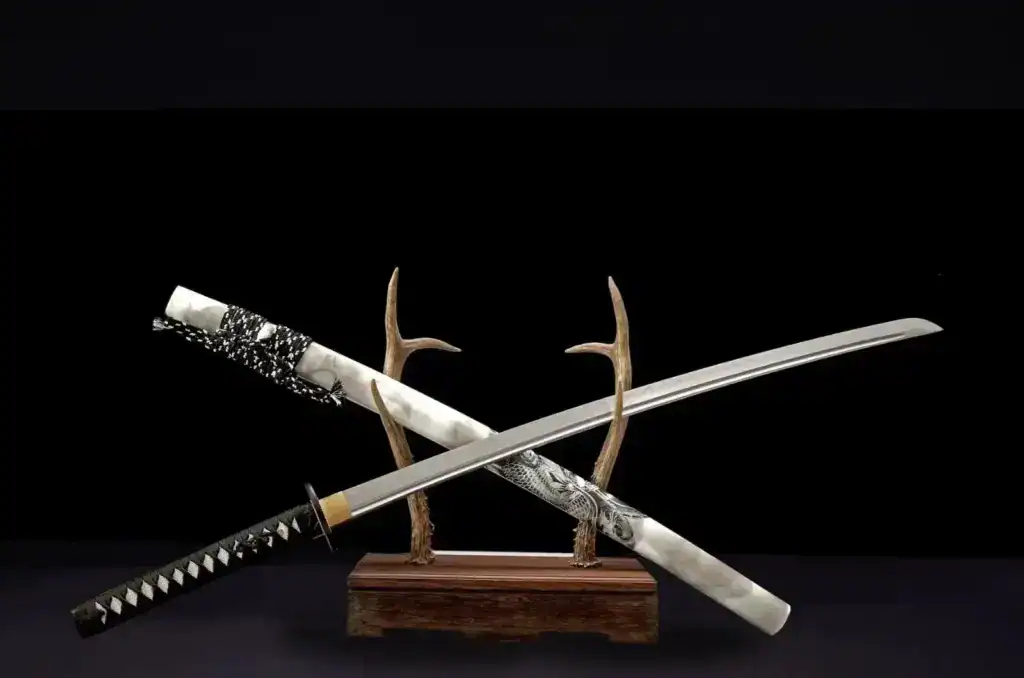
For a First Functional Katana
1060 is the better first functional katana for most buyers. It is tougher, more forgiving, and easier to live with when technique, maintenance habits, and cutting consistency are still developing.
- Dojo practice: more room for mistakes while form is still improving.
- First ownership: easier to learn handling and upkeep without feeling punished for every bad cut.
For Tameshigiri, Light Cutting, and Backyard Practice
1060 is usually the safer choice for light backyard cutting and inconsistent form. 1095 becomes the better buy once more serious tameshigiri, repeat cutting sessions, and edge retention matter more than forgiveness.
For Display and Occasional Use
For display-first buying, 1095 usually wins when hamon visibility is the priority. A 1060 katana still makes sense when you want better value and a blade that can handle occasional use without as much worry.
Is 1095 Worth Paying More For?
Pay more for 1095 when you already know you want stronger edge retention, a harder-edge feel, or a more visible hamon. For a first sword or a lower-risk practice blade, 1060 is usually the better buy. Start with 1060 katana collection if you want a first functional katana, or compare 1095 katana options if edge retention and hamon matter more.
1060 vs 1095 Carbon Steel Differences
The carbon gap changes how each steel feels in use, how much clean technique it asks for, and how easy it is to live with after practice.
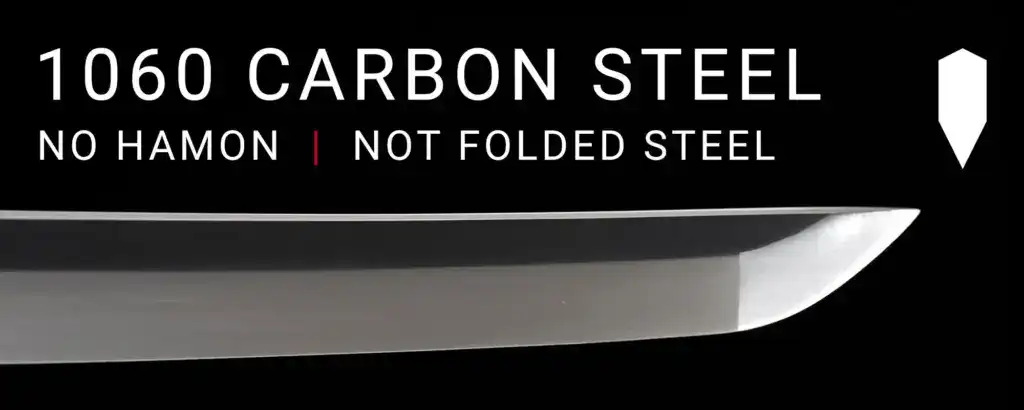
1060 vs 1095: Carbon, Hardness, and Forgiveness
In plain-carbon steel naming, 1060 generally points to about 0.60% carbon, often in the 0.55%-0.65% range, while 1095 usually falls around 0.90%-1.03%. That extra carbon gives 1095 more hardness after heat treatment and can help it hold an edge longer in a well-made blade.
1060 answers with a different advantage: it is usually tougher and more forgiving. In production katanas, 1060 often lands around 50-55 HRC and 1095 around 55-60 HRC, though heat treatment matters more than the number alone.
1060 vs 1095 in Real Cutting
On a clean cut through soft tatami or bottles, a well-made 1095 blade can feel keener and hold its edge longer. On a slightly off-angle cut, 1060 is usually the safer steel because it gives the owner more margin for error.
Why Heat Treatment Matters More Than the Steel Label
Steel label alone is a weak buying shortcut. In many cases, a well-made 1060 is the better real-world sword than a 1095 with inconsistent heat treatment, because maker quality and process matter more than the number in the listing. Readers who want broader materials context can continue with what katanas are made of.
1095 and Hamon Potential
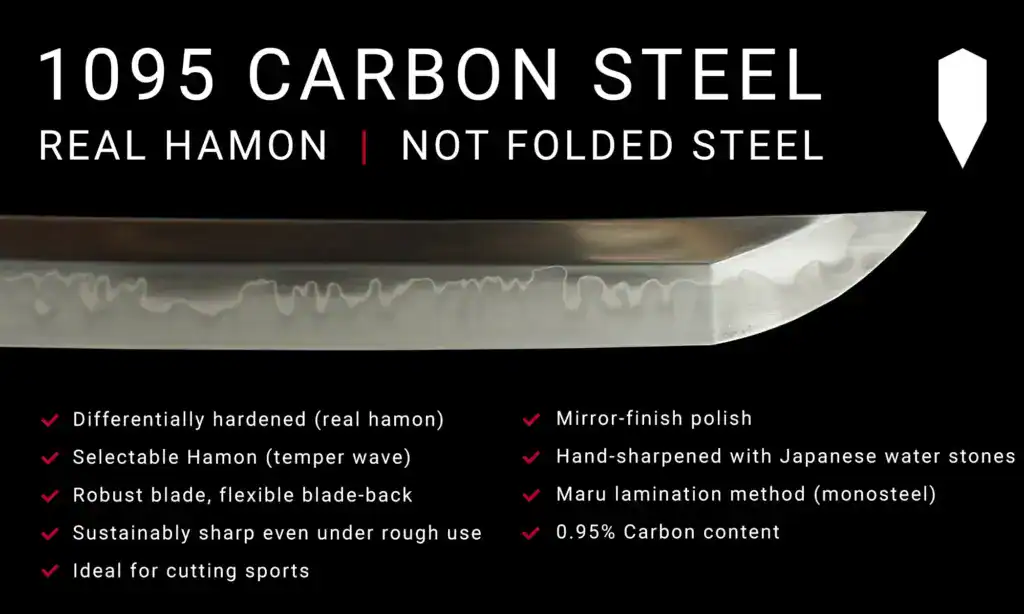
1095 is commonly favored for a clearer, more dramatic hamon because its higher carbon content helps create a more distinct hardened edge zone during differential hardening. 1060 can still show a real hamon, but the line is often softer. Hamon should help you choose between two good swords, not talk you into a bad one.
Which One Should You Actually Buy?
Buy 1060 if you want a first functional katana, a more forgiving practice blade, or a lower-risk cutter for regular use. Move to 1095 when you already know edge retention, cutting feel, and hamon matter more than extra forgiveness.
- Choose 1060 for a dependable first sword, regular practice, and more room for imperfect technique.
- Step up to 1095 when harder-edge performance, cleaner cuts, and hamon presentation already matter to you.
- Moving from 1060 to 1095 makes sense once your current sword already covers training needs and edge retention or hamon becomes the next goal.
Still researching? Read how to choose a katana for practice or display to narrow down blade geometry, fittings, and intended use.
Ready to compare products? Start with 1060 carbon steel Japanese swords if you want a first functional katana, or compare 1095 carbon steel blades if edge retention and hamon matter more. Want to keep browsing? Compare broader high carbon steel Japanese swords.
FAQ
Is 1060 enough for cutting practice?
Yes, 1060 is enough for a lot of cutting practice, especially for first-time owners, regular dojo use, and light backyard sessions. It gives up some edge retention to 1095, but many buyers are better off with a blade that is more forgiving.
Is 1095 too hard for beginners?
For many beginners, yes. A 1095 katana is not automatically a bad first buy, but it usually makes more sense after cutting form is more consistent and the owner will actually notice the harder edge and stronger hamon.
Can a 1095 katana chip on a bad cut?
Yes, a 1095 katana can chip more readily than 1060 on a bad cut, especially on harder targets or when edge alignment is poor. Good heat treatment and correct use reduce that risk, but they do not remove it, which is why a tougher steel is often the smarter choice when practice consistency is still developing.
Which steel is easier to maintain, 1060 or 1095?
1060 is usually easier to live with for most owners because it tends to be more forgiving in use. Both steels still need normal carbon-steel care such as wiping down the blade and keeping it lightly oiled, but 1095 usually asks for closer edge checks after cutting.
Which steel is better for display, 1060 or 1095?
1095 is usually the better display choice when hamon visibility is a top priority, because it is commonly favored for a clearer differential-hardening line. A 1060 katana can still look excellent on display, especially when value and overall build quality matter more than a stronger hamon.


