


Traditional vs Modern Tanto: Sword or Knife?

Quick Answer
- A traditional tanto is a Japanese sword-form blade; a modern American tanto is a knife point style.
- Choose traditional when you want saya, tsuka, fittings, polish, display value, or a collectible sword-form piece.
- Choose modern only for everyday knife use where your local blade laws allow it, such as opening packages, scoring, or cutting straps.
The tricky part of traditional vs modern tanto is not picking the “better” one. It is realizing that the same search can show display-ready Japanese sword pieces next to folding or fixed-blade utility knives.
That mix can send you down the wrong shopping path before steel, price, or style even matter. The fix is simple: read the photos, the listing terms, and the job the blade is actually meant to do.
Why the Same Word Causes Confusion
The same word causes confusion because “tanto” appears in both sword shops and knife catalogs, but sellers are not always talking about the same thing. Sword listings use it for a short Japanese blade form. Knife listings often use it for an American-style angular point, often sold as a tactical or modern tanto knife.
In modern knife marketing, the American tanto became strongly tied to U.S. tactical and utility knives from the 1980s onward. The traditional meaning has its own history, which is covered in this guide to what is a tanto.
Traditional vs Modern Tanto: A Quick Comparison
Before you compare steel or styling, make sure you are looking at the right kind of product. This table is a quick listing check, not a full buying guide for every knife or sword.
| Feature | Traditional Japanese Tanto | Modern American Tanto Knife |
| Category | Japanese short sword form | Modern knife point shape |
| Best for | Display, collecting, gifts | Everyday knife use, where legal |
| Tip | Sword-style kissaki integrated into the blade profile | Angular point with a visible break or secondary edge |
| Listing cues | Saya, tsuka, fittings, polish | Clip, synthetic scales, folding format, tactical grip |
A traditional tanto is the wrong choice for rough pocket-knife jobs; a modern American tanto knife is the wrong choice for Japanese sword display.
How to Tell Which Type You Are Looking At
The easiest way to tell the difference is to look past the word “tanto” and study how the item is presented. Photos and listing language usually reveal more than the product title.
What to Look for in Photos
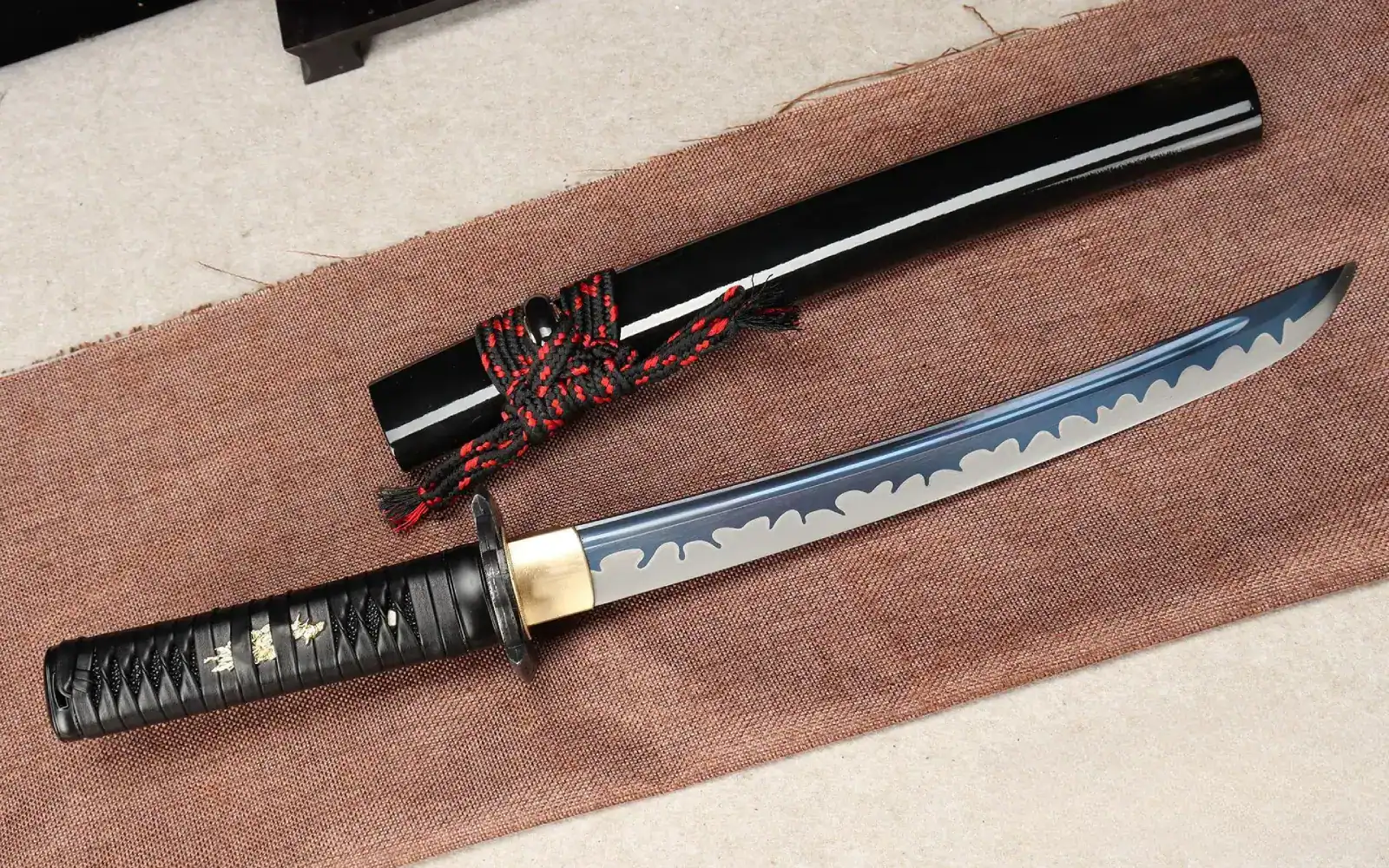
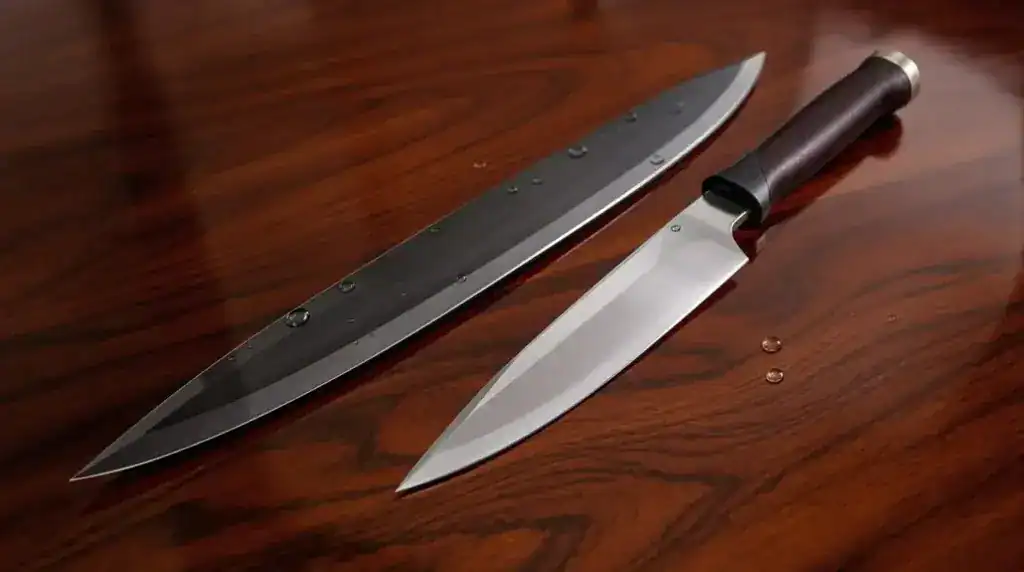
A traditional Japanese tanto usually shows a saya, wrapped tsuka, Japanese-style fittings, refined blade profile, sword-style proportions, and display-oriented presentation. A modern American tanto usually shows a hard angled point, tactical handle, pocket clip, folding format, fixed utility format, or modern grip materials.
What to Check in the Listing
Listing words such as “Japanese sword,” “short sword,” “saya,” “hamon,” “fittings,” and “tsuka” usually point toward a traditional Japanese tanto. Words such as “tanto point,” “EDC,” “folder,” “fixed blade,” “G10 handle,” “pocket clip,” and “tactical” usually point toward a modern American tanto knife.
Be careful with listings that mix Japanese tanto and tactical tanto language without making the product type clear. A sharper habit is to read construction details, photos, and use claims together before you trust the product title.
Why Buyers Choose a Traditional Japanese Tanto
A traditional Japanese tanto makes sense when you want a small sword-form piece, not a rough utility tool. Think of it as a display or collection blade with presentation value, not a box cutter with Japanese styling.
If You Want a Display Piece
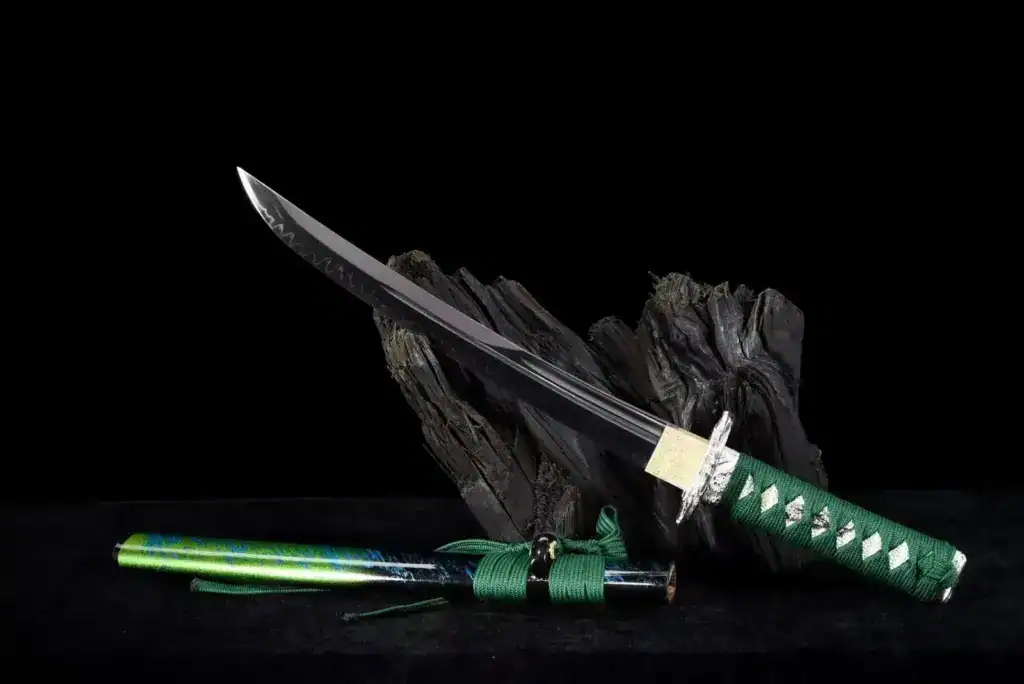
For display, look at the saya, tsuka wrapping, proportions, fittings, polish, and how complete the piece feels. The visual value is part of the reason to choose a traditional Japanese tanto over a tactical knife.
If You Are Adding to a Collection
A traditional tanto can round out a Japanese sword collection without taking up katana-sized wall space. Look for hamon, polish, fittings, scabbard details, clear photos, and seller transparency. A deeper look at real hamon vs fake hamon helps when a listing makes strong hamon claims.
If You Are Buying It as a Gift
A traditional Japanese tanto is usually the stronger gift when the recipient likes samurai culture, Japanese swords, display pieces, or collectible blades. A modern tanto knife is the better gift only when the recipient specifically wants tactical knives, EDC knives, or hard-use utility tools.
If You Train or Collect for Practice
Training-minded buyers should start with instructor guidance, not the most dramatic-looking blade. Use only training-appropriate or instructor-approved pieces, and put handling and safety ahead of display finish.
Once the training context is clear, blade construction and finish become easier to judge.
Why Buyers Choose a Modern American Tanto Knife
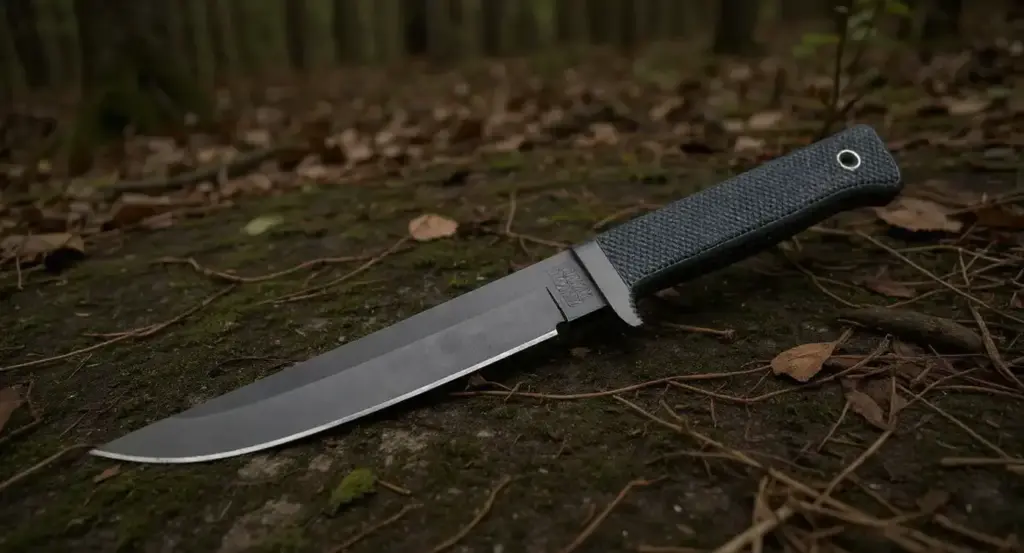
A modern American tanto knife is usually a utility knife with an angular point. Depending on the maker, steel, grind, and local law, it may suit ordinary tasks such as opening packages, scoring, or cutting straps.
The tradeoff is slicing comfort. A modern American tanto often has less belly than a drop point or more curved blade, so smooth slicing can feel less natural. The shape is not automatically stronger, safer, or better for every daily cutting job.
Modern American tanto knives are not fake. They are legitimate tools, just in a different lane. Follow local law, maker guidance, and safe handling practices. They are not the right choice when you want Japanese sword heritage, display value, a saya, traditional fittings, or sword-form presentation.
Which Tanto Should You Choose?
- Seeing saya, tsuka, fittings, polish, and sword-style presentation? Choose traditional.
- Seeing a clip, synthetic scales, folding format, or utility handle? Choose modern / American.
- Want both Japanese styling and rough utility use? Do not assume one product can do both well.
The wrong purchase usually comes from crossing those lanes. A display buyer may be disappointed by a tactical knife, while a utility buyer may damage a collectible sword-form tanto by treating it like a work tool.
Traditional buyers should compare finish, fittings, scabbard details, seller transparency, and overall presentation. Modern knife buyers should compare knife specs, maker limits, carry laws, and the real tasks they need the tool to handle.
Gift buyers have the simplest route. Choose traditional when the listing shows sword-form presentation: saya, tsuka, fittings, polish, and clear seller photos. KatoKatana’s traditional Japanese tanto collection is the right next step when that fit is clear.
Buying Tips Before You Pick a Traditional Tanto
Before choosing a traditional tanto, check whether the listing backs up its craftsmanship claims. The product page should make the saya, tsuka, fittings, blade finish, hamon claim, and intended use easy to evaluate.
A listing that says “tanto” but shows a folding knife with G10 scales, a clip, or tactical handle is selling an American-style tanto point knife, not a Japanese short sword. That may be useful, but it is not the right item for display, collecting, or Japanese sword appreciation.
Use tier language rather than chasing one fixed price. Entry-level traditional tanto should still look coherent and honestly described. Mid-range pieces should show better fit, finish, and seller transparency. Premium pieces should justify themselves through craft details, polish, fittings, and presentation. Check current product pages before treating any tier label as a budget.
A tanto can also sit naturally inside a broader Japanese sword collection when you want a smaller piece beside a katana, wakizashi, or tachi. Keep sharp blades stored securely, away from children and pets, and check local laws before buying, carrying, shipping, or importing any blade.
FAQ
Is a tanto a sword or a knife?
It depends on the listing. Saya, tsuka, fittings, and sword-style presentation point to a traditional Japanese tanto; clips, folders, tactical handles, and EDC language point to a modern knife.
Is an American tanto a real Japanese tanto?
No, not in the traditional sword-making sense. An American tanto is a modern knife blade shape inspired by Japanese point geometry, not a traditional Japanese sword category.
What is each tanto style best for?
Each style solves a different problem. Traditional tanto fits display, collecting, gifting, or approved training. Modern American tanto fits utility knife use where local law and maker guidance allow it.
Which tanto is better as a gift?
Traditional Japanese tanto is usually the safer gift when the recipient likes Japanese swords, samurai culture, display pieces, or collectibles. Modern / American tanto fits only when the recipient specifically asked for tactical or EDC knives.
Can you use a traditional tanto like a tactical knife?
No. A traditional Japanese tanto should not be used as a pry tool, box cutter, or rough work knife. Use a purpose-built work knife for appropriate utility tasks.
The Bottom Line
Make the final check visual and practical. Does the listing show a complete Japanese sword-form piece, or does it show a knife built around a modern angular point?
If the sword-form category fits, compare blade finish, fittings, saya, and mounting quality across KatoKatana’s tanto pieces before choosing.


