

Uchigatana vs Katana: Same Sword or Not?

Short answer
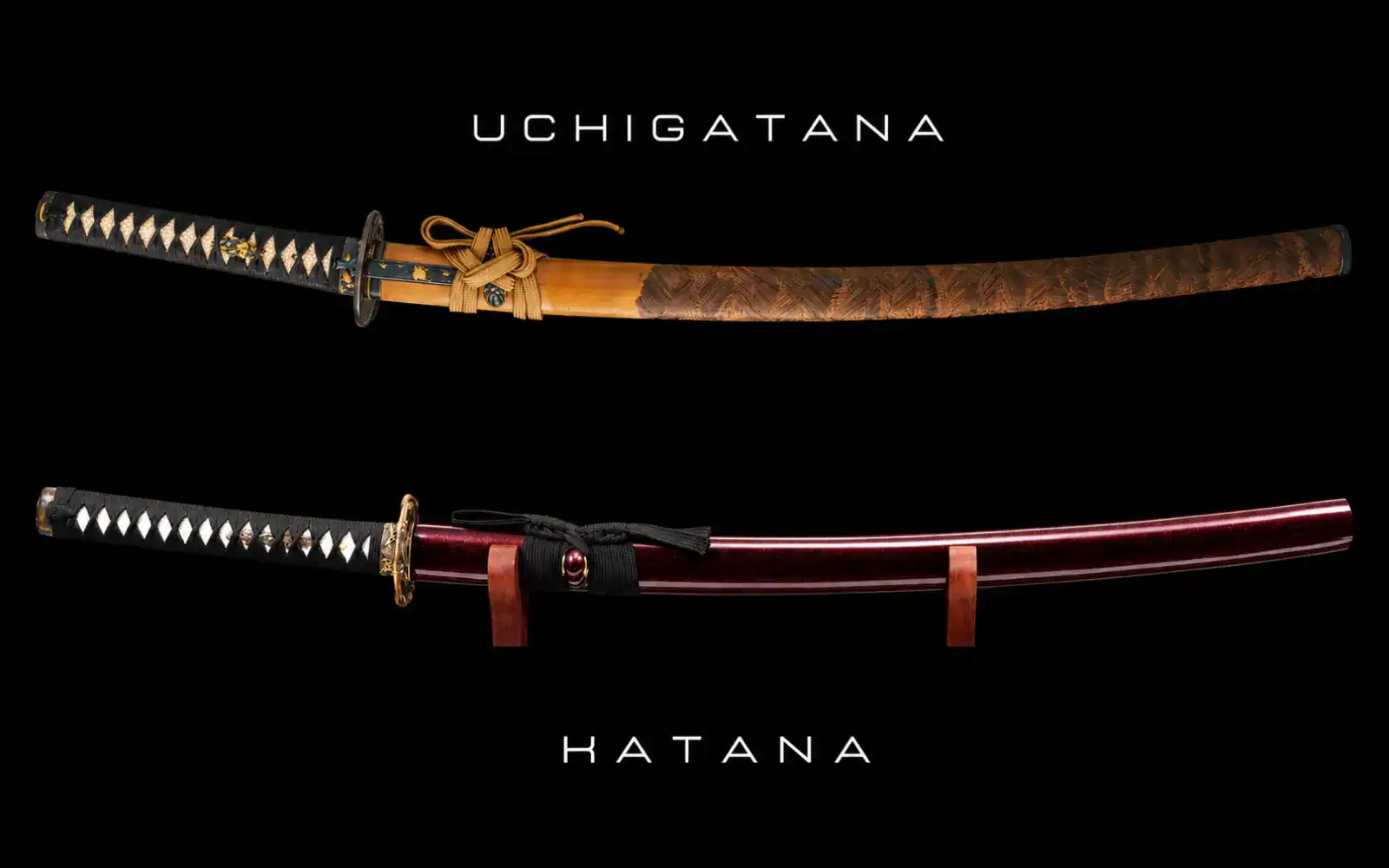
In modern English, uchigatana and katana usually refer to the same edge-up Japanese sword family. Historically, uchigatana can refer more narrowly to earlier edge-up swords that came before later katana usage. If you are shopping today, “katana” is the term to use.
Most people ask about uchigatana vs katana after seeing “uchigatana” in a game, forum, museum label, or martial arts discussion. Then a similar sword appears online as a “katana,” and the names start to blur.
For shopping, the answer is simple: search katana. For history, the terms overlap but are not always identical.
Are Uchigatana and Katana the Same Sword?
Short version: yes, they are usually the same sword family in modern English and shopping contexts. Many English-language retailers and casual buyers use “katana” because it is the word people search, recognize, and compare.
The historical answer is more careful. Uchigatana can refer to earlier edge-up swords that became important before later katana usage. In that context, the word is not just a synonym. It can mark a period, mounting style, and stage in the sword’s development.
That is why “katana” feels broad in English, while “uchigatana” appears more often in museum notes, forum discussions, historical references, and technical sword talk. Most shoppers are better off starting with katana swords rather than searching for uchigatana as a separate retail category.
What Does “Uchigatana” Mean?
Uchigatana is often glossed as “striking sword,” but the exact reading depends on how the term is used in a historical sword context. It is a useful gloss, not a perfect dictionary shortcut.
The meaning matters because uchigatana describes use as much as shape. In the common comparison, uchigatana are associated with being worn edge-up through the obi, a setup suited to drawing and cutting in one quicker motion. That wearing style is the key link with later katana usage.
You do not need to master every historical label before buying a modern sword. Understand the overlap, then judge the listing on intended use, build details, seller clarity, and safety.
How the Difference Changed Over Time
Even major museums blur the line. A Kyoto National Museum guide lists “Katana (also uchigatana),” while the Met describes katana through a curved blade of a certain length with uchigatana-style mounting. Those source cues support overlap, not a clean rivalry.
Both terms usually point to curved, single-edged Japanese swords associated with edge-up wearing in later usage. The differences describe change inside one sword tradition, not a contest between two unrelated weapons.
| Topic | Plain answer |
| Relationship | Same edge-up family; katana is the modern umbrella term, not a separate shopping lane. |
| Historical context | Uchigatana points earlier; katana is the familiar label for later and modern contexts. |
| Wearing style | Both are worn edge-up in the obi; this is the strongest shared clue. |
| Blade length | Length overlaps; do not identify the sword from photos, labels, or length alone. |
| Modern buyer label | Search “katana”; compare use, build specs, seller details, and practice or display fit. |
Uchigatana and katana are best understood as overlapping terms inside an evolving edge-up sword tradition. Blade length often overlaps, but length alone is not reliable. Do not treat the name, photo, or length as proof by itself. Mounting, period, and classification matter too. Specific length numbers are covered in the guide to how long a katana is.
Why Uchigatana Is Often Compared with Tachi Instead
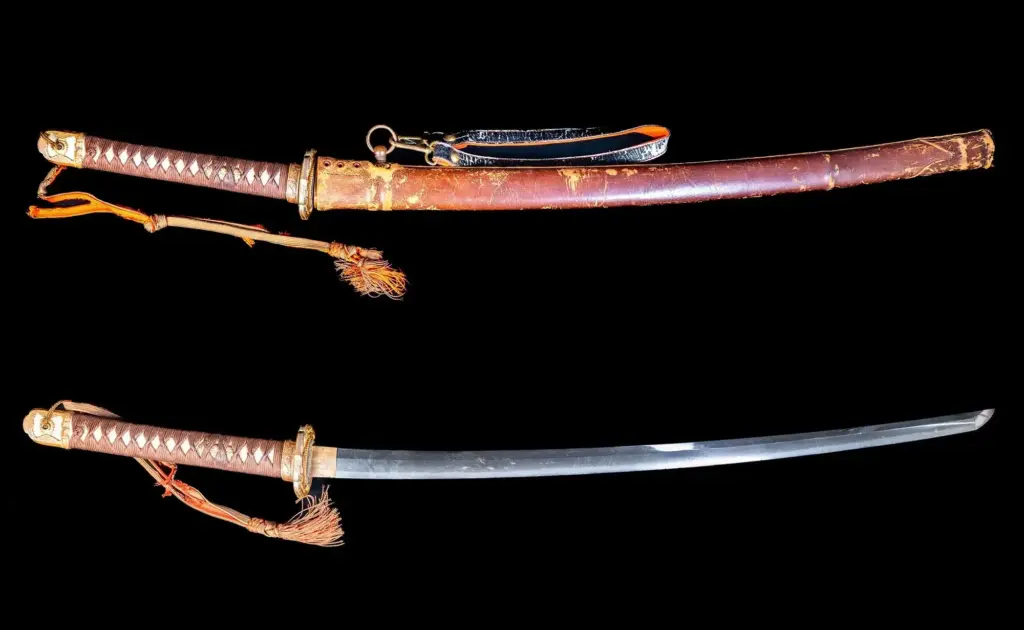
Uchigatana vs tachi is the cleaner historical contrast because it compares two wearing styles. Tachi were slung edge-down, typically associated with earlier mounted combat. Uchigatana were worn edge-up in the belt, a setup better suited to faster use on foot.
That is why comparing uchigatana with tachi is often clearer than comparing uchigatana with katana. It is more accurate to see katana as the broader modern label, not as a separate rival that cleanly replaced uchigatana.
The edge-up versus edge-down distinction matters more than the name debate. The tachi vs katana comparison goes deeper into that wearing-style difference.
Why the Terms Still Confuse People Today
The uchigatana-katana question keeps showing up because English-language stores commonly use katana, not uchigatana. That makes sense. Katana is the word buyers recognize, search, and use when comparing listings.
Historical and forum discussions work differently. Sword references, collectors, and museum notes may use uchigatana with more precision when the topic is period, mounting, or classification. For collectors, the label alone is not proof of age, rarity, or value; provenance, condition, mounting, and expert attribution matter more.
A lot of this confusion starts with games and anime, where sword names are often used as style labels rather than strict historical categories. Games such as Elden Ring may separate katana and uchigatana for item flavor, stats, or movesets, but game categories do not map cleanly to historical sword classification.
Which Term Should Buyers Use?
For most US shoppers, the safer search path is katana first, then filter by display, gift, practice, or cutting use. The word katana will return the product categories and filters most sword stores actually use. Uchigatana is useful for understanding history, but it is not the usual retail label in the US market.
Keep the buying decision narrow. Start with intended use before steel type or historical naming. Display pieces, gifts, martial arts practice tools, and cutting swords are different lanes, and one listing should not be assumed to serve all of them equally well. A historical label does not prove that a sword is safe, legal, or suitable for martial arts practice.
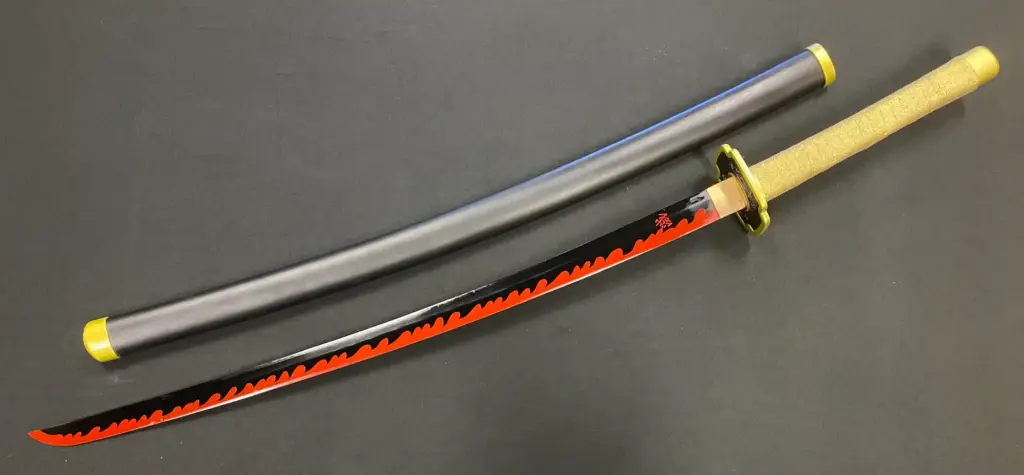
- Display or gifts: search for katana, then choose by appearance, safe handling, display stand details, and clear product photos.
- Martial arts practice: ask your instructor whether a bokken, iaito, or live blade is allowed before buying.
- First sword: start with a display katana unless you already have a clear training or cutting need.
- Cutting: look for a purpose-built functional katana and only practice under qualified instruction in a safe setting.
Basic build fit still matters. Blade length, tang construction, and overall build quality matter more than whether a listing uses the older word. Once the name question is settled, the real choice is use case: display, gift, practice, or cutting. Broader sword-type comparisons fit better in the Japanese swords category.
Uchigatana vs Katana FAQ
Is an uchigatana shorter than a katana?
Not necessarily. Many examples fall within overlapping katana-length ranges, and individual swords vary by period, mounting, and maker. Length alone cannot settle the comparison.
Is an uchigatana better or worse than a katana?
Neither is inherently better. Quality depends on the individual sword, era, smith, materials, intended purpose, and later remounting, not the label alone.
Was the uchigatana the first katana?
In simple terms, uchigatana was an important earlier edge-up sword form that helped lead to what most people now call the katana. The exact label depends on period, mounting, and classification system.
Should I buy an uchigatana or a katana?
Most shoppers should search for katana, then choose by use: display or gift, martial arts practice, or supervised cutting. Uchigatana is more useful as a historical term than a retail filter.
Why do games separate katana and uchigatana?
Game searches like “Blacksteel Katana vs Uchigatana” usually reflect item balance or moveset differences, not real sword classification.


