



Wakizashi vs Tanto: Get the Right One First Try

Quick Answer
- Wakizashi blade runs 30 to 60 cm (short sword length). Tanto blade stays under 30 cm (dagger length).
- Choose wakizashi for a sword-like feel, wall display presence, or a future katana-wakizashi paired set.
- Choose tanto for compact placement, close-up display on a desk or shelf, and easy everyday handling.
A lot of buyers order a tanto expecting a short sword, and feel let down when it arrives. Not because the blade is bad. They pictured something longer. That’s the whole wakizashi vs tanto question in one sentence. This guide helps you figure out which one you’re actually imagining before you buy.
Short Sword or Dagger: What You’re Actually Choosing Between
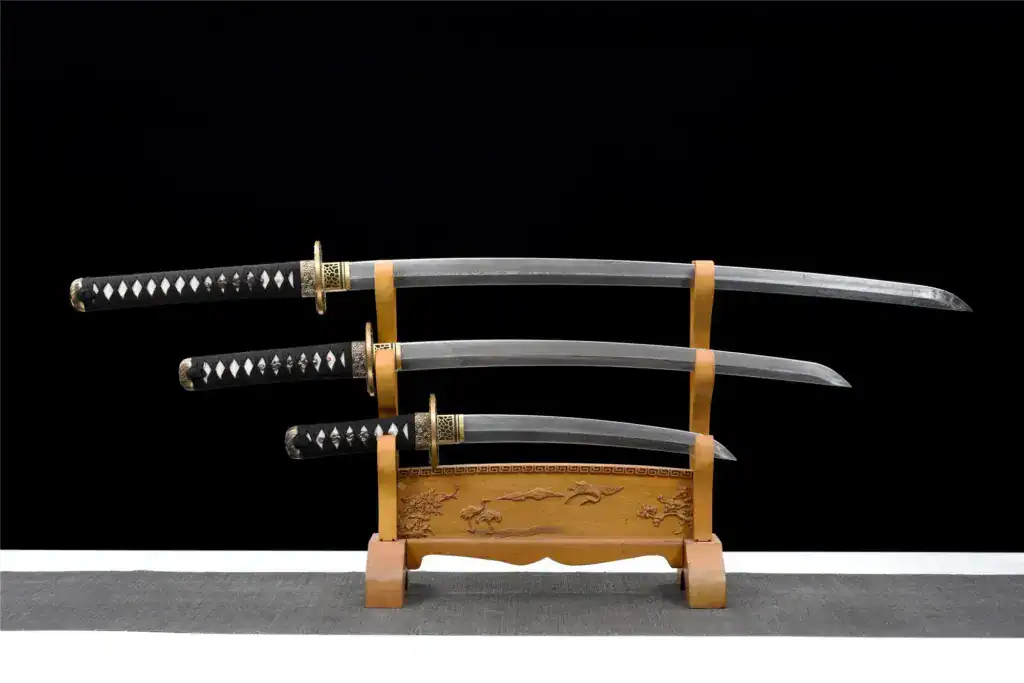
A wakizashi is a short sword. A tanto is a dagger. Those aren’t two points on the same spectrum. They’re different objects that suit different rooms, different habits, and different reasons for buying.
| Factor | Wakizashi (short sword) | Tanto (compact traditional blade) |
| Typical blade length | 30 to 60 cm | Under 30 cm |
| Ownership feel | Sword-like silhouette and reach | Dagger-weight, easy one-hand control |
| Display style | Room-piece presence, visible from a distance | Close-up detail, works on a desk or small shelf |
| Ownership ease | Needs a dedicated wall space or floor stand | Fits almost anywhere, easy to store or gift |
| Best fit if… | You want a short sword, not a dagger | You want a compact blade for close-up appreciation |
Most people who land on the tanto were actually picturing a short sword. If that’s you, go wakizashi. The tanto is the right call for its own reasons, not because you couldn’t get something bigger.
Choose a Wakizashi if You Want a Short Sword, Not a Dagger
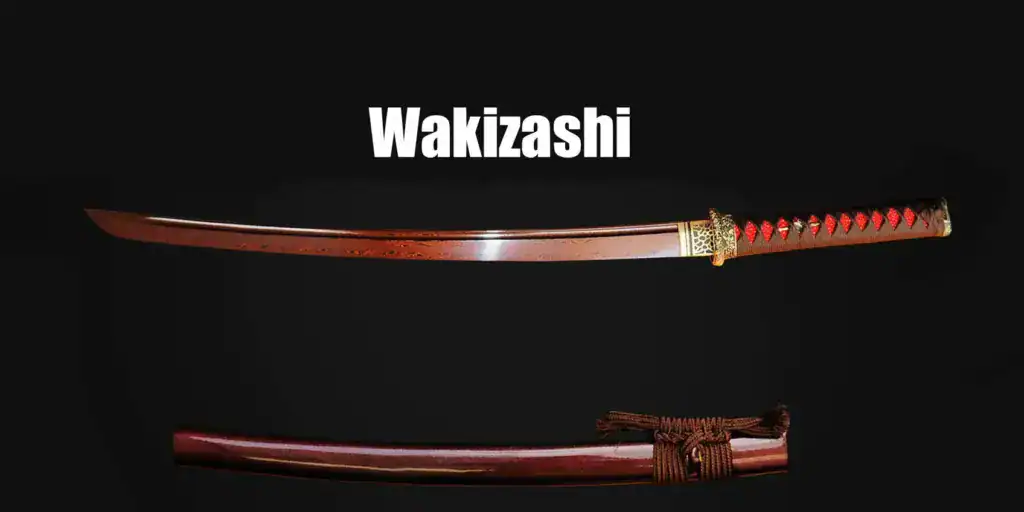
Most people who buy a wakizashi wanted a sword without committing to full katana size. That’s what it feels like too: you’ve got length, a real curve, a proper guard, and enough handle to settle both hands if you want to.
Pick one up and your hand knows what it is before your brain catches up. A closer look at the blade itself is at what a wakizashi is, no combat mythology, just the actual specs.
Why It Feels More Like Sword Ownership
A wakizashi has real length to it. The curve shows up. The grip feels settled. You’re not squinting at it trying to imagine the sword experience.
If you want a blade longer than your forearm, that’s your answer.
Why It Makes More Sense if a Katana Still Appeals to You
It also fits people who know they want a katana eventually, just not yet. In Japanese sword tradition, samurai formally paired a katana with a wakizashi, a combination known as the daisho (the traditional paired sword set). A wakizashi bought now can be displayed alongside a katana later in a matched set.
By the Edo period, the wakizashi had become the standard short-blade companion to the katana in a formal paired set. The wakizashi collection has current options across different price points.
Choose a Tanto if You Want Compact Size and Easy Ownership

Most people talk past what makes a tanto good. The size changes the whole ownership experience. A tanto is the kind of blade you set on a desk rack, lean in, and study without even standing up. Under 30 cm is genuinely easy to live with.
Why It Works Better in Smaller Spaces
No wall mount needed, no dedicated floor stand. A small tabletop rack or display box handles it. That matters in an apartment, a shared office, or any room where wall space is already spoken for. For a lot of people, that’s the reason to buy a tanto in the first place.
It also makes the tanto one of the few Japanese blades that actually works as a gift. The size is manageable, the packaging is straightforward, and the person receiving it does not need a specific spot already cleared on the wall.
Why It Suits Buyers Who Want a Compact Traditional Blade
Up close, a tanto lets you stay with the details. You can watch the hamon catch light, tilt the blade, look at the polish, then do it again without shifting your whole body around. People who care more about steel and finish than wall presence usually notice this fast.
The tanto also has its own collecting path, separate from the katana tradition. Historically, tantos were carried by samurai as backup blades and by nobility and merchants for self-defense, a range of uses than most buyers assume. Current options are in the tanto collection.
What Actually Changes Once the Blade Is in Your Home
Before buying, people focus on specs. After it arrives, the real questions are more honest: where am I putting this thing, and am I actually going to pick it up?

Space and Visual Presence
A wakizashi changes a room fast. Hang it on a wall and your eye goes there first. It has enough length to pull visual weight from across the space.
Put a tanto on a desk and the experience shifts entirely. You’re turning it over in your hands, looking at the grain, the hamon, the fit of the handle. It’s less about the room and more about the object itself. Those aren’t the same thing.
How Often You Will Actually Pick It Up
Both blades get handled a lot in the first few weeks. That’s just novelty. What differs is the friction once that wears off. The wakizashi asks a little more from you: make room, use both hands, pay attention. A tanto you can grab off a desk one-handed while doing something else.
That’s why some people handle their tanto more often. Still, if what you really want is a short sword, don’t talk yourself out of it.
Whether You Want a Standalone Piece or a Future Set
Some people want one blade and they’re done. Others are already thinking about the next purchase. That split matters here.
If you’re just here for one blade, the tanto travels lighter, easier to place, easier to gift. The wakizashi commands more on its own but asks more of the room. If you’re thinking katana eventually, buy the wakizashi now. There’s no version of that paired set where you wish you’d started with a dagger.
Still Stuck? The Questions That Usually Decide It
Is a Tanto Just a Smaller Wakizashi?
No. A wakizashi is a short sword (30 to 60 cm), curved, real hilt, handled like a sword. A tanto is a dagger: under 30 cm, built to thrust at close range. They share a tradition, not a size category.
What if You Are Really Choosing Between Katana, Wakizashi, and Tanto?
That one’s actually pretty straightforward. Katana for full sword length. Wakizashi for a shorter sword. Tanto for something compact. The wakizashi-katana line is the harder call. Our wakizashi vs katana guide covers that one in full.
Is a Japanese Tanto the Same as a Modern Tanto-Point Knife?
No, different things entirely. A traditional Japanese tanto is a dagger-length sword with a tsuba guard and a wrapped tsuka handle. The “tanto point” you see on modern tactical knives is just a tip geometry: a squared, reinforced blade tip that some manufacturers named after the Japanese blade. They borrowed the word and nothing else.
So, Which One Should You Get?
Get the wakizashi if you want real sword presence and have somewhere to display it. It makes even more sense if a katana may be in your future.
Get the tanto if you want something compact that fits easily into daily life. The easier blade to keep nearby and study up close.
Desk, shelf, something compact that travels light: that’s the tanto swords. Wall space, both hands, something that holds the room: that’s the wakizashi swords.


