


Katana vs Jian: What’s the Real Difference?

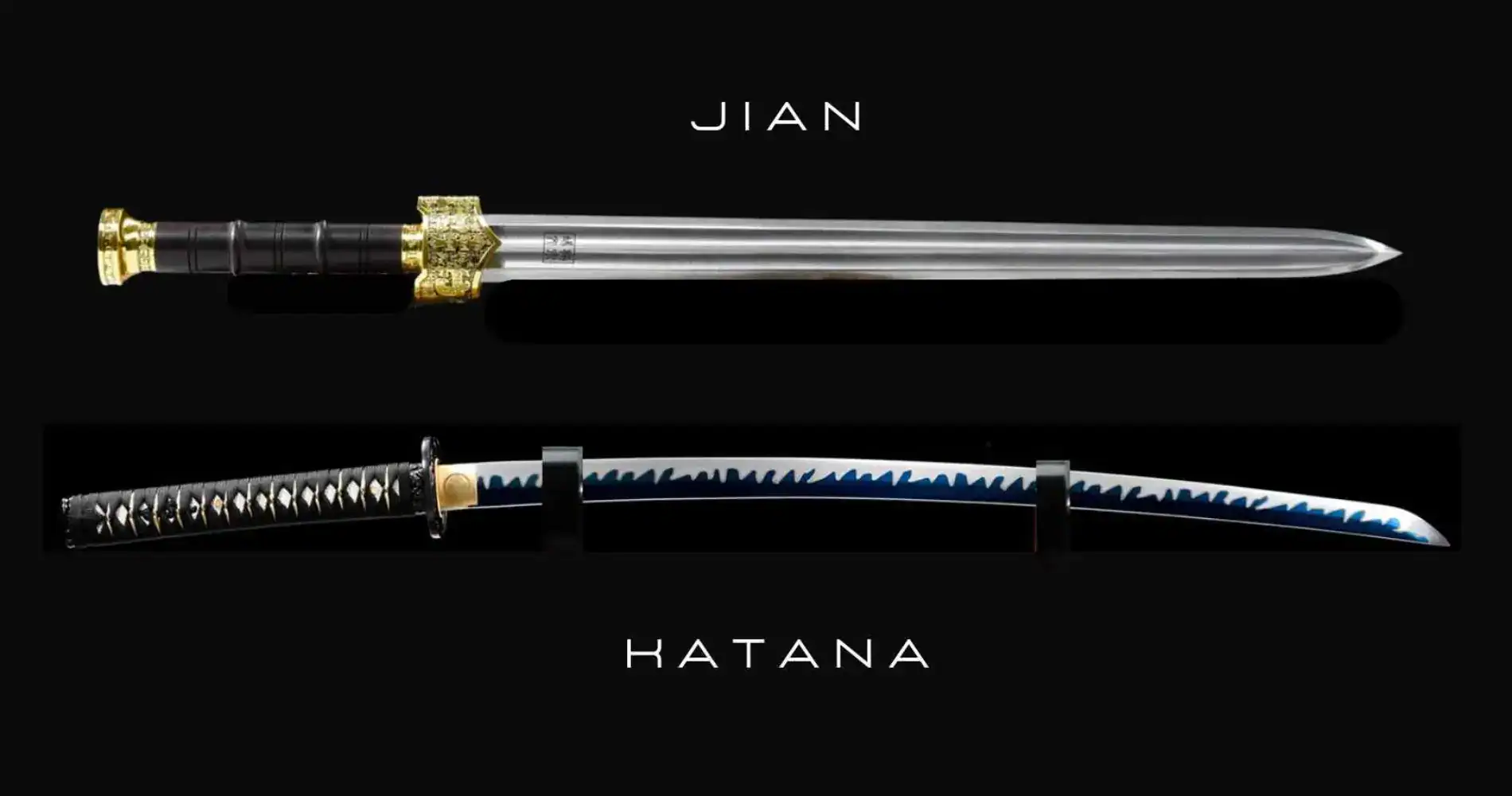
The key difference between katana and jian is that a katana is a curved, single-edged Japanese sword built around two-handed cutting dynamics, while a jian is a straight, double-edged Chinese straight sword built around point control, agility, and redirection. In plain English, the katana usually feels more committed through the cut, while the jian usually feels quicker and more exact through the line.
Katana vs jian is a common comparison because both blades are iconic and easy to flatten into the same idea if you only look at photos. In practice, they were shaped around different handling priorities. The katana is the better-known samurai sword in English-language buying guides, while the jian often attracts readers drawn to Chinese sword history, taiji practice, or straight-sword aesthetics.
Most buyers do not need a fantasy winner. They need to know which sword makes more sense for collecting, display, training interest, or a first purchase.
Katana vs Jian: Key Differences
The biggest difference is not just where each sword comes from. It is how blade shape, grip design, guard size, and balance change edge alignment, recovery, and the kind of motion each weapon tends to reward. A quick side-by-side view makes that easier to see before getting into the details.
| Category | Katana | Jian |
| Blade form | Curved, single-edged | Straight, double-edged |
| Best known for | Strong cutting follow-through | Quick redirection, point control |
| Cutting feel | Better for slicing cuts | Lighter, less committed cuts |
| Point control | Capable, not the main draw | Usually stronger for thrust feel |
| Beginner feel | Easier to read early | Can feel subtler at first |
| Best fit | Collectors, cutting-first buyers | Niche collectors, control-focused buyers |
Curved Katana vs Straight Jian
The katana’s curve helps turn a committed strike into a smoother slicing motion, which is one reason it feels so natural in cut-centered comparisons. The jian’s straight profile supports cleaner thrust lines and makes quick directional changes feel more centered.
In plain language, katana tends to reward committed cuts, while jian tends to reward finer point control and tighter redirection. Readers who want a deeper explanation of how curvature affects blade mechanics can continue with this guide on why katanas are curved.
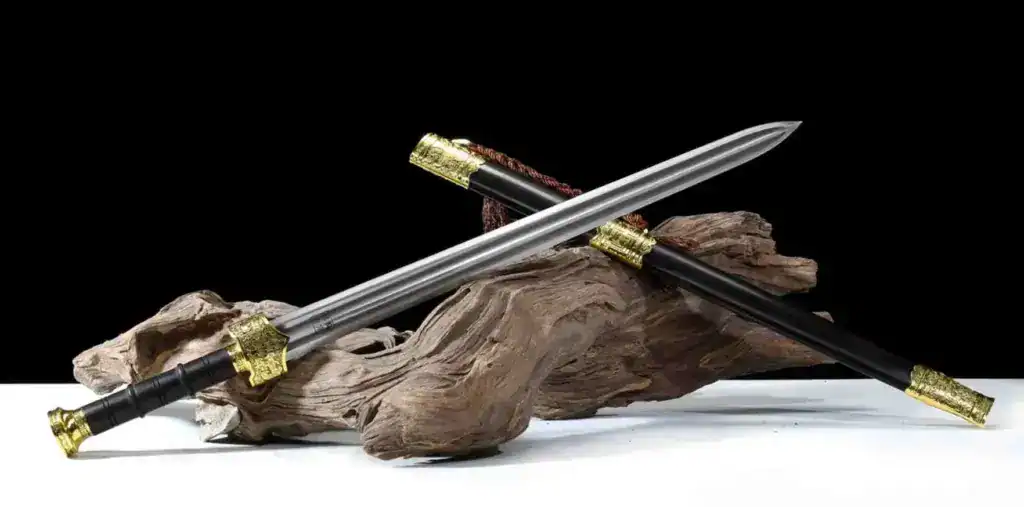
The jian also should not be confused with the dao, which is the curved, single-edged Chinese saber family. That distinction matters because katana vs jian is not the same comparison as katana vs dao.
Grip, Guard, and Balance in Katana and Jian
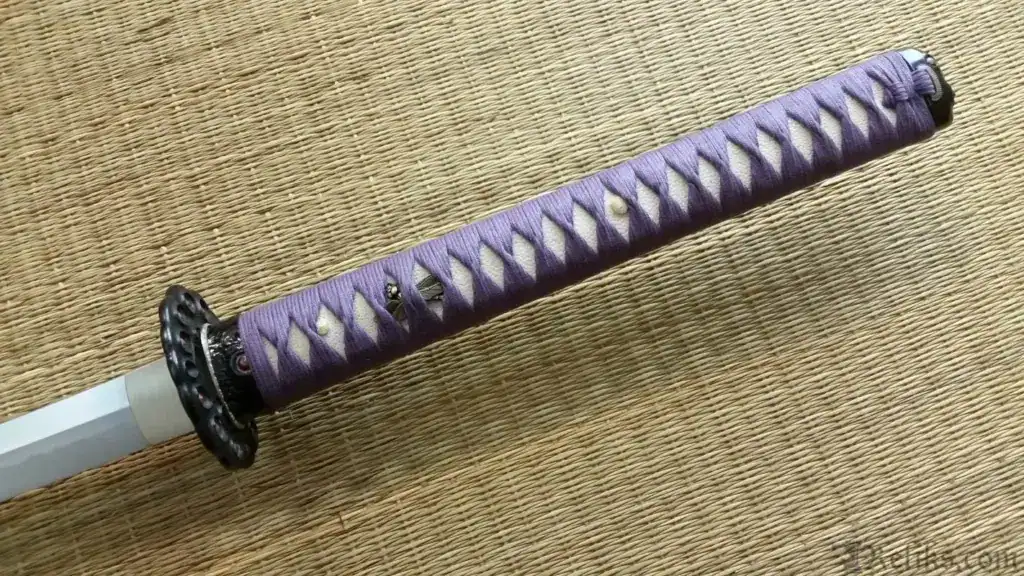
A katana usually gives the user a longer two-handed tsuka, a more obvious tsuba, and a handling style that makes leverage easy to understand. A jian more often presents a shorter grip, a smaller guard, and balance that feels friendlier to wrist-led adjustment and quick redirection.
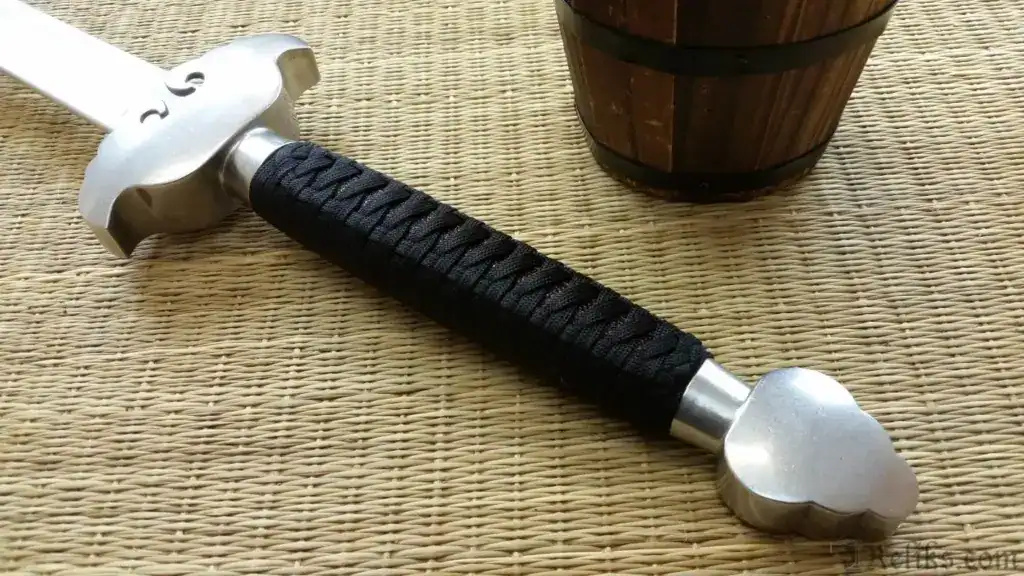
For many newer readers, that means the katana feels more immediately legible in the hands, while the jian can feel lighter, subtler, and more sensitive to precision. A cleaner breakdown of core katana anatomy is available in this overview of the parts of a katana, which covers the main components without interrupting the comparison here.
Forging and Construction in Katana and Jian
Katana conversations often center on differential hardening and the visible hamon, while jian construction is better understood as a wider field shaped by period, regional tradition, and modern maker choices. The practical point is simple: construction affects feel, durability expectations, and collector appeal, not just metallurgy trivia.
It is also worth ignoring tired myths. The familiar marketing claim that a katana was “folded 1,000 times” is not a useful quality signal, and no single jian construction style should be treated as universal. Good construction is about geometry, heat treatment, fit, and intended use, not a dramatic sales phrase.
Katana vs Jian for Training and Use
Once you move past appearance, the real question is what these differences mean for buying decisions. Both are serious weapons with distinct strengths, but they suit different kinds of training interest, display appeal, and first-time buying expectations.
Cutting Power vs Point Control
A katana is usually associated with committed slicing cuts and strong edge-following motion. A jian is more often associated with point control, quick redirection, and lighter transitions between lines. That does not mean the katana is a magical superweapon, and it does not mean the jian is just a decorative straight sword. It means each design leans into different strengths buyers will notice for different reasons.

Training With a Katana vs Jian
Japanese sword arts and Chinese straight-sword practice often emphasize different body mechanics, timing, and movement quality. Many beginners find the katana’s two-handed structure easier to understand at first because the leverage is obvious and the cutting logic is easier to feel early on.
The jian often asks for finer point control, lighter transitions, and more precise coordination, which can be appealing but less immediately intuitive for a first-time buyer. For martial arts readers, that difference matters even more: many katana-focused buyers are thinking about iaido, kenjutsu, or cutting-oriented training, while many jian readers are deciding between collector-style jian and lighter taijijian or modern wushu jian trainers.
That is why “training sword” can mean very different things across the two traditions. Readers narrowing in on a Japanese blade for practice or display can use this guide on how to choose a katana for practice or display as the next step.
The History Behind Katana and Jian
History helps explain why these swords still feel different today, but it only matters here insofar as it clarifies design priorities and cultural identity. You do not need a full dynasty timeline or samurai chronology to understand the comparison.
Samurai Sword vs Scholar’s Sword
The katana is strongly tied to the samurai class and to Japanese sword culture shaped around status, carrying practice, and cutting-oriented identity. The jian has a much longer Chinese lineage and later gained prestige among scholars, nobles, and martial artists, which helps explain why it still reads as elegant and disciplined in a different way.
Those social roles influenced symbolism and design emphasis. In modern collecting language, the katana often carries a stronger warrior image, while the jian often appeals to buyers who want something more restrained and refined.
Jian vs Dao: Don’t Mix Them Up
Treating jian as simply the Chinese version of a katana starts the comparison from the wrong category. The jian belongs to a different sword family, with different design logic and a different collecting identity.
Katana vs Jian: Which One Fits You Better?
This is the part most readers actually need. The goal is not to crown a universal winner. It is to match the sword to the reason you are here, whether that reason is collecting, display, curiosity, training interest, or a first purchase.
- Katana makes more sense for readers who want a clearer entry into Japanese sword collecting, two-handed cutting feel, and a broader shopping path.
- Jian makes more sense for readers drawn to Chinese straight-sword aesthetics, point control, and a lighter, more redirectable handling style.
Budget matters too. In much of the English-language retail market, decorative or entry-level replicas of either type often start around $50 to $200. Better training or collector-focused replicas often move into the $200 to $600 range and can climb much higher once you get into premium fittings, higher-end steels, or more specialized builds. For first-time shoppers, the bigger difference is often not only price, but how easy it is to compare listings with confidence.
Which Sword Is Better for Collectors and Display?
Collectors often gravitate toward katana for the visible hamon, the curvature, the fittings, and the depth of the modern samurai sword market. Jian collectors are often pulled in by symmetry, understated elegance, and the specific cultural identity of the Chinese straight sword.
Both can be visually compelling, but they do not scratch the same itch. In much of the English-language replica market, katana shopping is often broader and easier for first-time buyers to navigate. Readers who want an easier entry into Japanese sword collecting with more options and clearer category language will usually find the katana the more natural recommendation.
Which Sword Is Better for Beginners and First-Time Buyers?
For many first-time buyers, the clearest decision comes down to what kind of experience they want.
- Katana is usually the better entry point for readers who want two-handed cutting mechanics, a wider buying ecosystem, and a clearer starting point for Japanese swords.
- Jian is usually the clearer choice for readers drawn to Chinese straight-sword practice, point control, or the cleaner symmetry of that tradition.
- Choose based on real interest, not on internet mythology. The right first sword is usually the one whose handling logic and cultural identity you actually want to spend time with.
Feeling torn because both seem beautiful is normal. A display-first buyer often does better by following the culture and silhouette they feel attached to. A training-minded buyer should pay more attention to the movement style each sword encourages.
FAQ
Which is better for beginners, katana or jian?
For many beginners in the English-language market, the katana is easier to appreciate at first because it is easier to shop for, easier to categorize, and easier to understand visually and mechanically. That applies both to collecting and to basic training interest.
The jian can be deeply rewarding, but it often asks the reader to appreciate subtler handling ideas and to shop in a narrower market. That does not make the jian worse. It means the katana usually offers a clearer first step for readers who want confidence quickly.
Is a katana better than a jian?
No, a katana is not universally better than a jian. The better choice depends on design purpose, context, and what the user actually wants. Readers looking for Japanese cutting dynamics and a broader collector market will often lean toward the katana. Readers who want Chinese straight-sword handling and a more point-led experience may prefer the jian.
Is a jian the same as a dao?
No, a jian is not the same as a dao. The jian is a straight, double-edged Chinese sword, while dao refers to curved, single-edged Chinese saber types. This article compares katana and jian only.
Are katanas always heavier or longer than jian swords?
No, not always. Dimensions varied by era, maker, and intended use, so broad claims about universal size or weight are misleading. Size overlap is common in modern listings, but training types vary more than many buyers expect once you separate wushu or taiji trainers from display and collector pieces.
Katana vs Jian: What to Buy Next
Japanese sword buyers can browse a solid range of katana sword options and narrow the choice by style, fittings, and intended use.
Buyers with a more specific vision may get more value from a custom katana than from trying to force a standard model into a very narrow idea of what they want.
The smartest next move is to shop by intended use, not mythology. Compare listings by blade type, weight, training vs display purpose, and how clearly the seller explains what you are actually getting.


